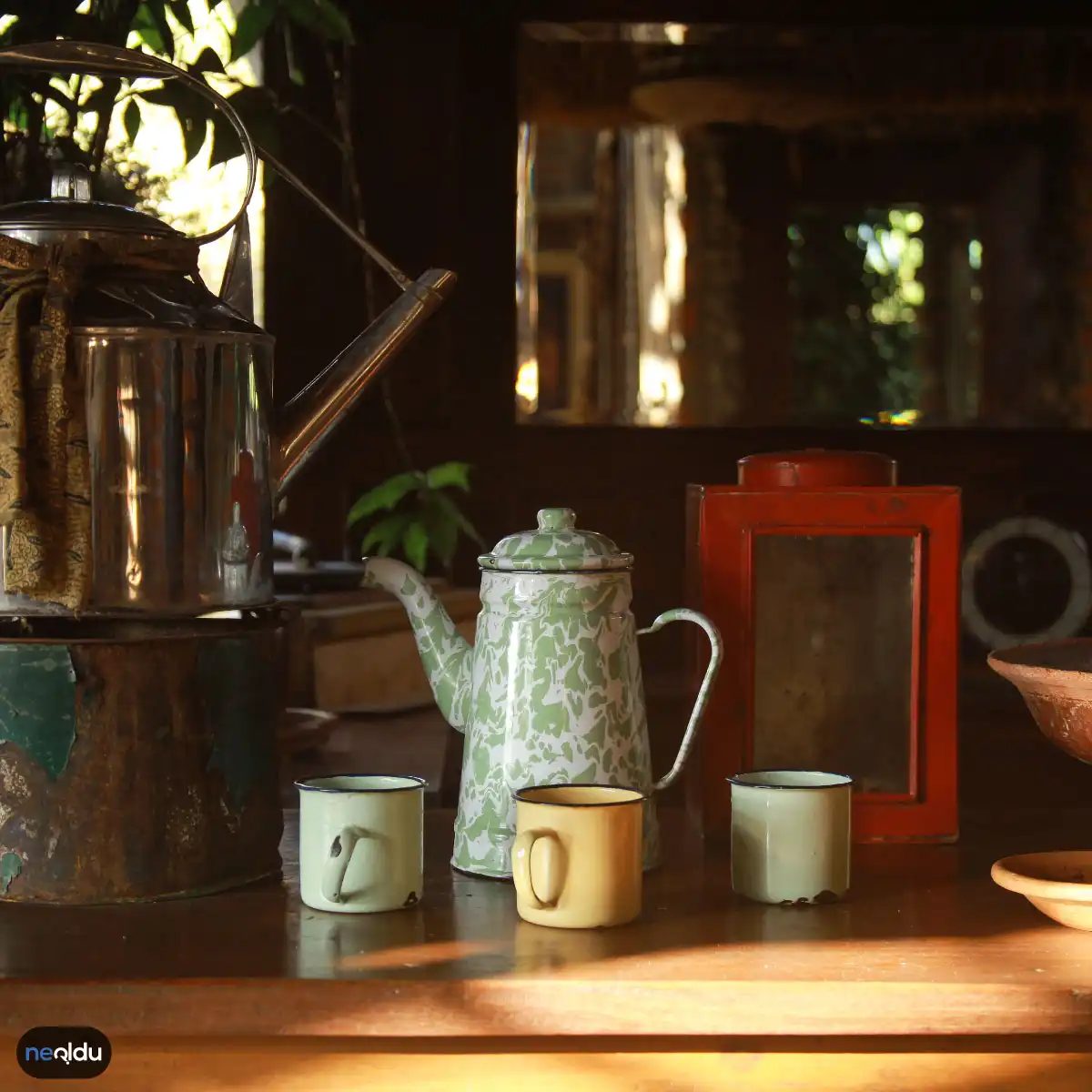
Antiques are rare and valuable objects that have traces of the past hundreds or even thousands of years ago. Today, however, counterfeiting and fraud are common, making it increasingly difficult to distinguish between genuine and fake antiques. This guide answers the question of how to identify genuine antiques and includes important things to consider when making a purchase.
What is the definition of antique?
Before you start your treasure hunt, you need to know what you’re looking for. Antiques are not just old. Age alone does not create anything valuable or authentic. Generally, objects that are at least 100 years old are considered antiques. This standard is widely accepted by appraisers, auction houses and customs authorities.
Think about it. A vase from 1920 is vintage. A chair from 1820 is antique. That’s important. It affects insurance, tax deductions and resale value.
The main characteristics of a genuine antique
Genuine antiques have unique qualities that mass-produced modern reproductions can hardly replicate perfectly. Look for signs such as:
- Patina : Natural surface changes due to age and use. It’s uneven, subtle, and not easily repeatable.
- Handmade : Look for tool marks, irregularities or small asymmetries. Machines make perfection. Humans create characters.
- Materials : Older products often contain materials that are no longer available or are common. Think hand-blown glass, natural wood joints, or certain types of metal alloys.
- Source : Ownership documents or history add credibility. Although not always available, a clear line helps to authenticate items.
Why is it so hard to detect fakes?
Modern technology has leveled the playing field for counterfeiters. They use advanced imaging, chemical aging techniques and accurate reproductions of historical styles. Some fakes are of such high quality that even experts hesitate.
But forgers struggle with one thing: time. They can mimic wear and tear, but we cannot reproduce the slow accumulation over decades. The development of patina depends on the environment, handling and material. Counterfeit products may look old, but they often feel “forced” or chemically treated.
Authenticating an antique: step by step
You don’t have to be an expert to spot the red flags. Get started with these basic steps.
1. Inspect for Wear and Tear
Pay attention to the contact areas. The handle, edges and seat should show even wear. If the chair looks worn in places where you’ve never touched it, it’s suspicious.
2. Check for Labels and Marks
Many antiques have maker’s marks, inspection marks or stickers. Study these signs. Use online databases and reference books. A missing mark isn’t necessarily a bad thing, but an obviously fake mark or a newly engraved mark can be a deal breaker.
3. Assess the Materials
Feel the weight. Check the glass for bubbles and defects. Modern materials often feel too light, sharp and uniform.
4. Verify Provenance
Ask for documentation. Be careful if the seller can’t provide history. A genuine antique often comes with receipts, auction information, family history and more.
Common Antiques and Their Specific Risks
Counterfeit products target certain categories. this is
Thousands of years old artifacts circulating in the market not only bear witness to history, but also carry a serious risk. This risk is called fraud. Even if a piece is hundreds of years old, that doesn’t automatically mean it’s valuable. But more importantly, not knowing the difference between real and fake can be very costly to your pocket.
Visual and textural cues
The first stop should always be your eyes. But just looking is not enough. There is a huge gap between seeing and seeing and understanding. A real antique must have traces of time on it. These must be randomly distributed. If scratches or abrasions appear very symmetrical, be suspicious. This may be damage artificially created with a modern tool.
Don’t forget to touch. Some materials, especially ceramics and stones, undergo microscopic change over centuries. This change is felt on the skin. Artificially aged works often present a smooth or artificial roughness. A natural patina settles slowly over time. A sudden and irregular surface structure is often a sign of fraud.
Material and workmanship analysis
The material from which it is made reveals 50% of the story of the work. The raw materials used in ancient times differ from today’s alternatives. For example, the copper green (patina) on a bronze sculpture occurs through a natural process. This layer is tightly bonded to the metal underneath. It is difficult to scratch. Faux patinas are usually applied with paint or chemical treatments and peel off easily.
Focus on workmanship details. There are always small errors and irregularities in handmade works. In modern machine-produced imitations, perfect symmetry and standard geometries are seen. There is no “perfection” in antiques. There are traces of human hands. Searching for these traces is one of the most reliable methods.
Identity and origin certificate
The origin of the work is one of the most critical factors determining its value. Provenance, or history of ownership, is the document of an antique. If this document is missing or questionable, the piece loses much of its value.
“An undocumented antique is like an individual without an identity. Who measures the value of something whose history is unknown?”
These documents include sales invoices, old collection lists and expert opinions. It is necessary to check the consistency of these documents. T
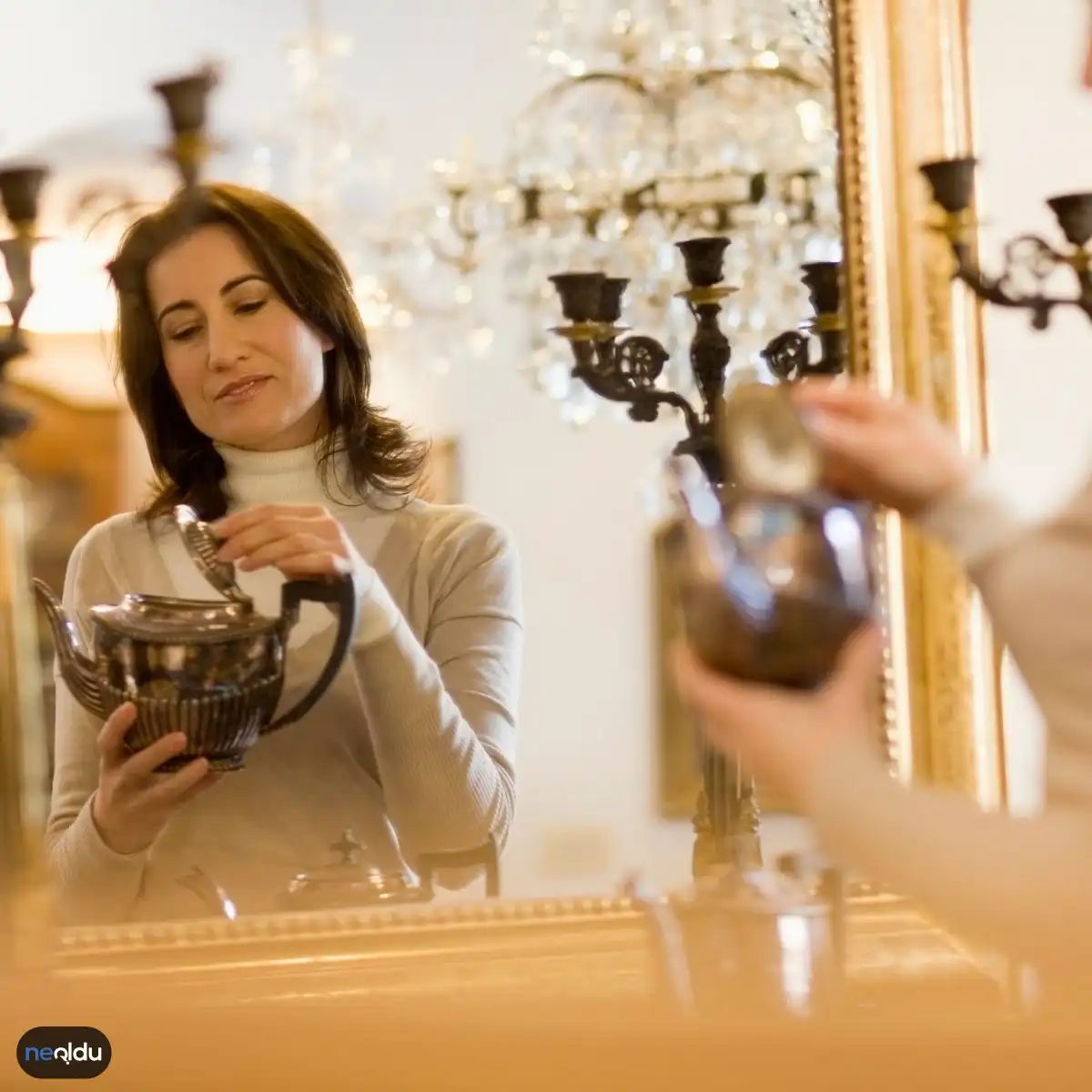

New arrivals are usually flawless. It’s not a real antique. This distinction is collectors’ biggest challenge. If you accidentally buy a fake work, your money will be lost. You will waste your time and effort. Here are the critical points you need to pay attention to in order to understand the real antique.
Compatibility of Measurements with Date
Each period has its own standards. A real antique fully complies with the units of measurement on the date it was produced. Modern imitations often miss this detail. Sizes may be too small or too large by current standards.
There may also be differences between similar parts. Due to being handmade, each product shows slight variations. Check the dimensions before purchasing. Consult resources. What are typical sizes for a particular period? The answer to this question can reset your perception of fakeness.
Perfection in Workmanship is Questionable
Perfection is not always good. Especially when it comes to manual labor. True antiques are unique pieces that bear the marks of time. It is normal to see slight roughness, unevenness or natural wear marks on the surface.
If a piece feels artificially perfect, stop. This is a high probability of fraud. Machine-made works sometimes look very “clean”. Human hand touch always has a slight imperfeccione. Examine the quality of workmanship with a magnifying glass. Are there any vehicle tracks? Can you see signs of hand tool use?
Material Analysis: Proof of Reality
Material is one of the strongest distinguishing factors from fake. Real antiques are made from valuable and suitable materials of that period. The wood must be of the original type. The metal is from the alloys of that era.
Artificial materials or modern synthetics are immediately noticeable. Inspect for weight, odor and texture. Real material has properties that change over time. Counterfeit materials are fixed and often artificial.
“Handcraftsmanship is the signature of reality, with its flaws. Perfection is the language of the machine.”
The deeper your knowledge, the healthier the decision you will make. Examining each piece meticulously protects you from being misled. So how do you apply this information to your own collection?
Check the authenticity of signatures and marks
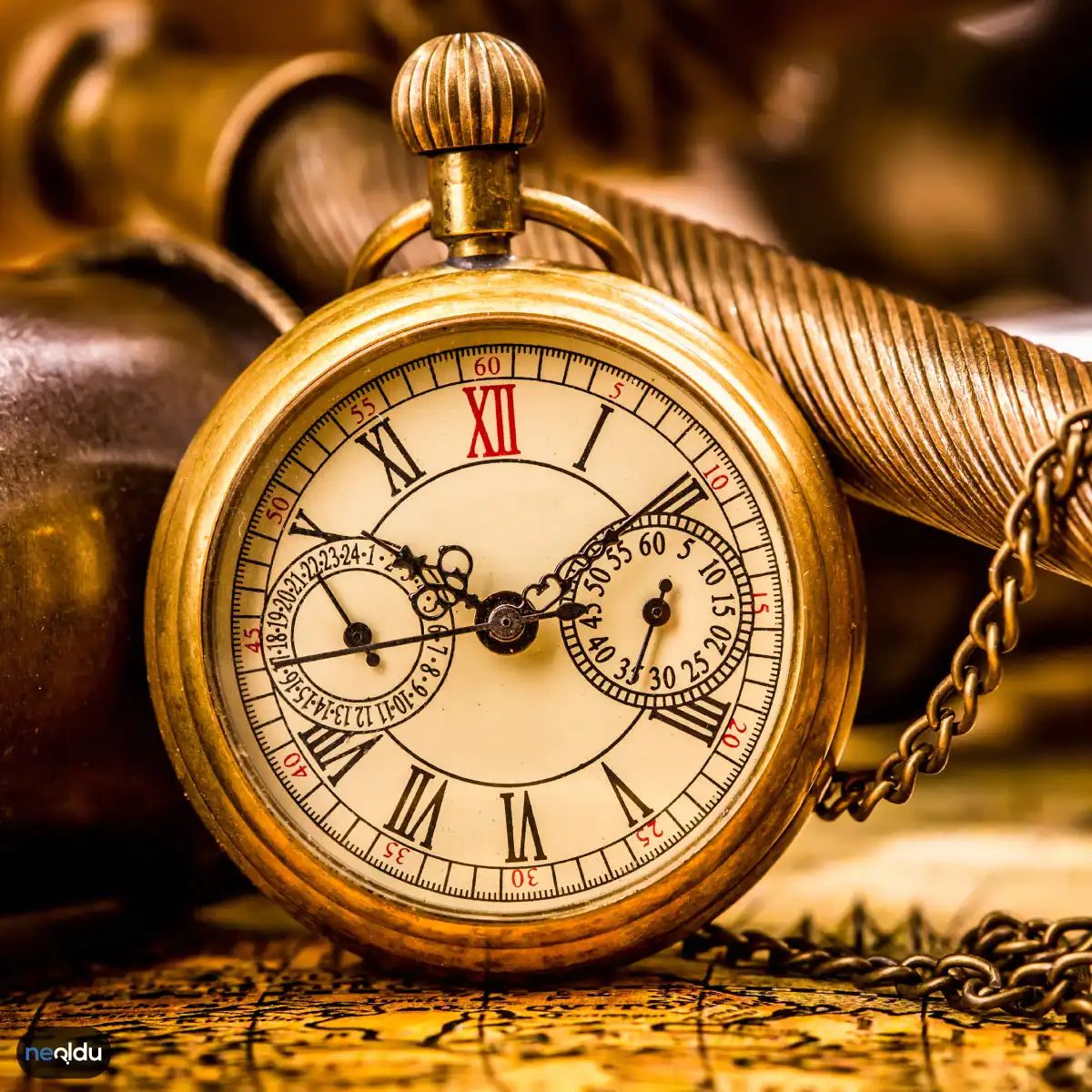
Identifiers and signatures are the first line of defense for authentication. They provide a provenance link. But this is a trap. Counterfeits have improved. To the untrained eye, counterfeit stamps look convincing. You must look closer. Is the stamp depth consistent? Does the surrounding metal show natural wear from the impressions, or does it appear to have been carved later? A genuine maker’s mark usually has a history that can be traced. If the markings don’t match the known style of the era or artist, walk away. Don’t assume it’s genuine just because there’s ink or metal on the surface.
Check if the patina has aged naturally
Patina is the soul of antiques. It is the cumulative effect of time, light and handling. It builds up in layers. This can be seen in the wear patterns of the wooden furniture and the discoloration of the brass. Real patina is uneven. It settles into cracks and crevices. It feels smooth where hands have touched it for decades and it feels very smooth. A false patina usually looks uniform. It can be applied with chemicals or sandpaper. Instead of growing “from the surface”, it is “on the surface”. If you suspect artificial aging, ask about cleaning methods. A legitimate seller will be proud of the natural finish. Scammers try to rush it.
Check the seller’s background and information
The seller is as important as the item. Do they specialize in this era? Do they know the history of the piece they are selling? If you ask about the origin and get a vague answer, that’s a red flag. Genuine dealers know their stock. They can tell you about the craftsmanship, materials and previous owners. If the seller is unable to provide detailed information, the authenticity of the product may be questioned. Research the store’s reputation. Looking for reviews. Check if they are members of trade associations. A knowledgeable seller protects you. An ignorant one leaves you exposed.
Important considerations when buying antiques
Research Provenance and History
Provenance is the paper trail. It documents the ownership history. A strong provenance adds value. It confirms authenticity. Look for original receipts, exhibition labels, old photos, etc. Be careful if the story is vague. Ask for documentation. If the seller refuses, the product may be stolen or fake.
Check for Restorations and Repairs
Antiques often show signs of restoration. The broken leg was glued back together. A chipped corner filled in. These are normal. However, major repairs can lower the value. Love what was done. Is the repair visible? Does it affect the structure? A well-documented restoration is honest. A hidden one is deceptive. Check carefully. Use a magnifying glass if necessary. Look for color mismatches and texture differences.
Understand market value and pricing
Prices fluctuate. Trends change. Research comparable sales. Check auction results. Visit multiple dealers. Don’t rely on one opinion. If the price seems too good to be true, it probably is. Overpricing is a common tactic of counterfeiters. Prices that are too low can reveal hidden defects. Understand the market before you buy.
Inspect for Structural Integrity
If it’s a piece of furniture, check the joints. Do they wobble? Are the screws original? If it’s ceramic, look for small cracks. Check textile products for insect damage. Possible structural problem
Don’t Set Your Limits
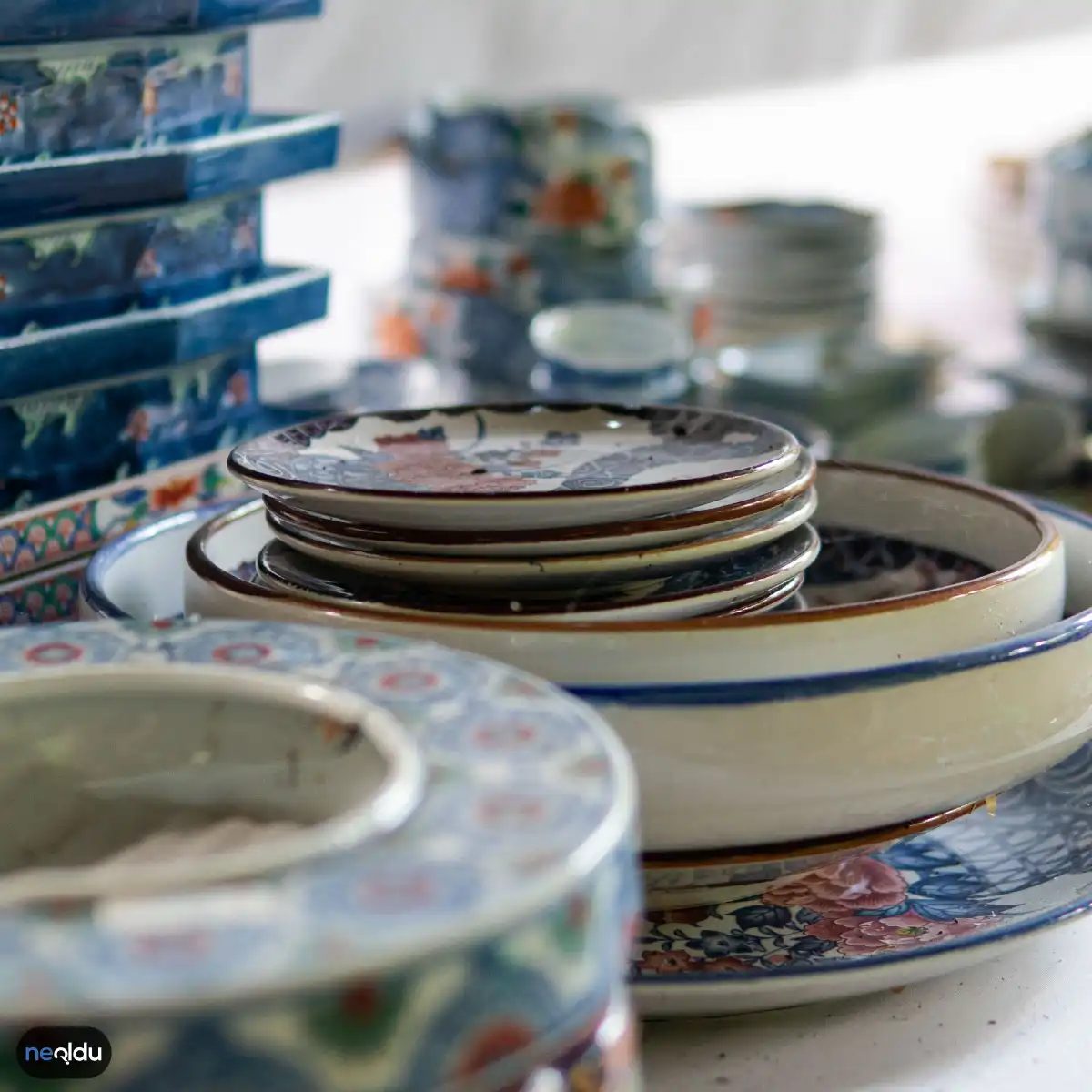
Put the number first. The reality is that the market is tough. Prices climb rapidly. Aim to go below the limit you set. Otherwise, you will lose a lot of your wallet. Hang this number on your wall when making your selection.
Trust the Source
Jumping straight into trading is risky. You will be defenseless against uninformed sellers. Do your research first. See references. Sources with a transparent history offer products that are not artificial. Those who sell fake products usually want to sell fast. Real collectors are patient.
Shape the Future
Look not only at today, but also at tomorrow. Storage conditions, humidity, light… All these affect the value. A well-cared-for work maintains its value over time. Neglect destroys value. Think about which piece you will keep in the future.
How to recognize a real antique?
Focus on fine details. Are the dimensions standard? Is the workmanship flawless? Is the texture of the material natural? Is there a signature or stamp? The answer to the question How to recognize a real antique is usually below the surface. Patina alone is not evidence. It requires background, hidden details and, of course, expert opinion.
Why are antiques expensive?
Rarity. History. Artistic value. This trio determines the price. Manual labor is rare now. Machine production does not carry that value. An item with an uncertain history is less valuable. Works with documented origins and known origins change hands at premium prices.
How should antiques be cared for?
Do not use wet cloth for cleaning. Avoid chemical cleaners. Correct cleaning methods protect not only the surface but also the integrity of the material. Direct sunlight makes colors fade. Moisture causes rot or rust. Protection should be at the forefront.
What should I pay attention to when buying antiques?
First of all, the seller. Buy from someone with proven reliability. You should be asked about your past. Reality should leave no doubt. It must be within the budget. Future storage costs must be calculated. Skipping these headings is an invitation to make mistakes.
How are real antique prices determined?
Past. Infrequency. Historical and artistic significance. Material quality. Workmanship. Originality. These factors come together to create market value. An undocumented work may not be worth even half of the documented one.
What does the patina of antiques mean?
It is the signature of time. It is a gradual change in color and texture. The difference between artificial patina and natural patina is subtle. The natural patina is felt deep within the material. A superficial coating is easily peeled off or remains uniform. Patina can be an important indicator of authenticity, but it is not the rule alone.
Why is it important to seek expert advice when buying antiques?
They see beyond what your eyes can see. They know the workmanship details, material composition, historical context. When in doubt, stop. A professional review prevents a major mistake. This cost covers the potential loss.
What should be done to store antiques?
Temperature and humidity balance is critical. Sudden changes tire the material. Keep away from direct sun. Protect from moisture. The storage area must be stable. These conditions are essential for health. Remember; Preserving is the only way to maintain value.