Indoor plants face a seasonal shift as winter arrives, with shorter days and cooler temperatures triggering slower growth or even dormancy. Adapting watering habits is crucial to prevent root rot and ensure plants survive until spring. Here’s how to keep your houseplants thriving through the colder months.
Reduce Watering Frequency
As plant growth naturally slows during winter, their water requirements decrease significantly. Overwatering is the most common mistake that leads to root decay and plant death. Instead of sticking to a rigid schedule, adjust based on individual plant needs.
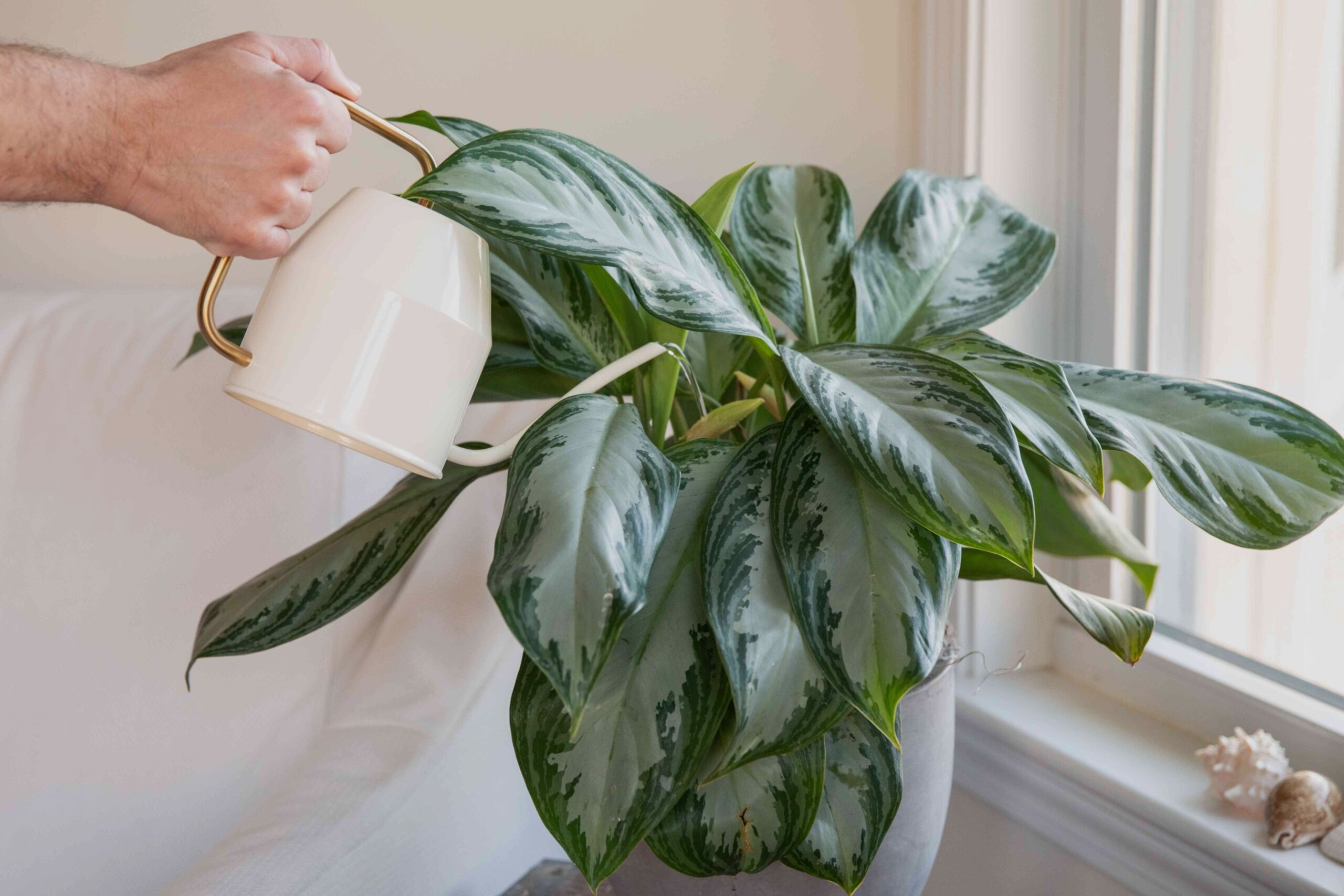
- Water thoroughly when you do water: Ensure excess liquid drains freely from the pot’s drainage holes.
- Allow soil to dry out between waterings: Most houseplants prefer slightly drier conditions in winter, except for moisture-loving species like ferns. Succulents and cacti thrive on bone-dry soil between drinks.
How to Check Soil Moisture
Don’t rely on routine alone; verify soil dryness before watering. Signs a plant needs water include:
- Pale, dry soil surface.
- A noticeable decrease in pot weight.
- Dryness when a finger is inserted a few inches into the soil.
If the soil remains moist, delay watering and recheck in a few days. This simple step can prevent fatal overwatering.
Drainage is Non-Negotiable
Proper drainage is vital year-round, but especially critical in winter. Ensure all pots have drainage holes and water flows freely through the soil.
- Empty cache pots, saucers, and drip trays immediately after watering.
- Standing water causes root rot, a silent killer for houseplants.
Stop Fertilizing Until Spring
Plants enter a period of reduced activity in winter, meaning they don’t need the same nutritional boost as during growing seasons.
- Cease fertilizing in the fall when growth slows.
- Resume feeding only when new growth appears in late winter or early spring.
Unnecessary fertilizer can harm dormant plants, so avoid it until the growth cycle restarts.
Proper winter care isn’t just about keeping plants alive; it’s about setting them up for vigorous regrowth when warmer weather returns. By adjusting watering habits, ensuring drainage, and skipping fertilizer, you can ensure a lush and thriving indoor garden all year long.