January 2026 is hitting hard. The cold is settling in, and energy bills are climbing. Most homeowners try to cut costs by turning the thermostat down by a degree or two. It helps. Barely. If you keep your whole house at the same temperature, you are burning cash for nothing.
There is a feature on nearly every modern heating system that 90% of people ignore. It requires no tools. No new hardware. Just a shift in logic. You need to stop heating empty rooms and start heating occupied ones. This is called zone heating. It is the single most effective way to lower your bill without sacrificing comfort.
The Myth of Constant Heat
Many people believe keeping the heat on constant is more efficient. They think turning it up again after a drop will consume more energy than just maintaining it. This is false. Especially in homes that are poorly insulated or average at best.
The physics are simple. Heat loss depends on the temperature difference between inside and outside. The colder it is outdoors, the harder your boiler or electric radiators must work to keep indoor temps stable. If your living room is empty all day but kept at 20°C, you are paying to heat the walls and air currents. You are heating the void.
Dropping the temperature during those empty hours shrinks that gap. It slashes the energy drain. You save money before you even think about switching energy providers.
Calibrating Heat to Your Actual Routine
A uniform temperature ignores how people actually live. We do not use every room at the same time. The kitchen is hot when you cook. The bedroom is cool when you sleep. The study is used only in the evening. Treating the entire house as a single thermal unit is inefficient.
Zone heating allows you to decouple these spaces. You set different target temperatures for different areas. This requires a system that can handle independent control. If you have older radiators with no individual valves, this approach is harder. But if you have a modern setup or a recent renovation, you likely have the hardware.
The goal is to match the heat output to the occupancy profile of each room.
Which Zones Matter Most?
Not all rooms are equal in terms of energy waste. Focus your changes where they count.
- Living Areas: These are used in bursts. High heat during the evening, low heat during the workday.
- Bedrooms: You sleep better in cooler air. Keeping them at bedroom temps (16-18°C) rather than living room temps (20°C) saves significant energy.
- Guest Rooms: If a room is unused for months, drop it to防冻 (frost protection) mode or even lower.
- Hallways/Stairs: These are transit zones. They lose heat fast. Keep them cool unless you are passing through.
How to Implement Zone Heating
You do not need to be an engineer. You need to understand your controls.
- Check Your Thermostats: Do you have a central programmer? Individual room thermostats? Smart valves on radiators? The method changes based on the hardware.
- Set Back Temperatures: Program a “home” temperature and a “away/sleep” temperature. The difference should be about 3-5°C. Not just one degree. The bigger the gap, the bigger the savings.
- Use Timers: Align the heating schedule with your life. If you leave at 8 AM, let the house drop at 9 AM. Let it rise again before you return at 6 PM.
- Manual Valves: If you lack smart controls, manual thermostatic radiator valves (TRVs) are the next best thing
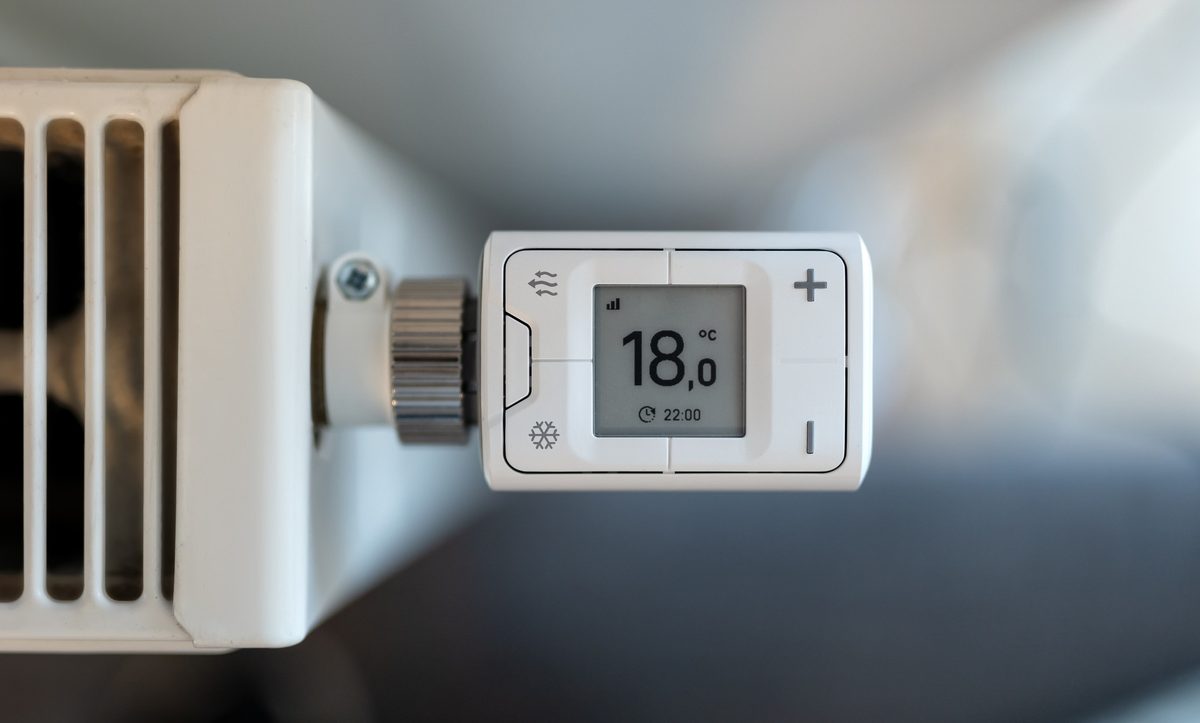

True thermal comfort does not come from a hallway thermostat. This is done by controlling each radiant heater separately. Each room serves a different purpose. Everyone has their own heating needs at certain times of the day.
Heating the bathroom to 22°C is pointless if you only use it in the evenings. It is equally pointless to maintain a comfortable temperature in the guest room or office on the weekend when the whole family is only in the living room. The solution is a thermal zoning.
This means using thermostatic radiator valves in water systems or using control wires in electric heaters. They set strict target values per room. Separating the living and sleeping spaces creates an environment that follows your movements. The temperature should be reached a few minutes beforehand. It shouldn’t stay put when you’re gone. This granularity transforms an energy-hungry home into a smart and efficient living space.
Get instant 15% savings with custom heating plans
The best-kept secret to cutting costs without compromising well-being is to automate these temperature changes through strict hourly programming. By setting different time windows for each thermostat, the heat is adjusted according to the actual degree of use. This technical trick can reduce energy costs by up to 15% without sacrificing comfort.
They define the life situations that guide the devices to switch automatically from Comfort mode to Eco mode (usually 3-4 degrees cooler). For this to work, the schedule must not be fixed. It must reflect your weekly routine and separate work days from rest days.
Here is a typical programming model for an active household to maximize savings:
- 06:00 – 08:00: Comfort mode (20 °C) in the kitchen, bathroom and living room for waking up and having breakfast.
- 08:00 – 17:30: Eco mode (16-17 °C) in the whole house. The house is empty. No one suffers from this drop.
- 17.30 – 22.30: Return to comfort mode (19-20°C) only in the living room and kitchen for family evening time.
- 22:30 – 06:00: General eco or night mode (16-17 °C). This includes bedrooms. Cooler air promotes restorative sleep.
With this consistent application, the heating system will operate at full speed for only a few hours a day. Exactly when you need it. This precise setting avoids the invisible waste of unproductive time. It ensures that every kilowatt-hour consumed really benefits your well-being.
Es ist ein logical Ansatz. It requires a short initial setup time. But then it works all winter. It guarantees gentle warmth when you return without breaking the bank.
By taking back control of your radiator settings and abandoning the idea of a consistent temperature, you’ll quickly realize that comfort isn’t about intensity. It’s all about timing. Adapting your heating to your lifestyle is the most cost-effective step in winter.
Are you already checking whether your radiators unnecessarily heat your living room in the middle of the night?