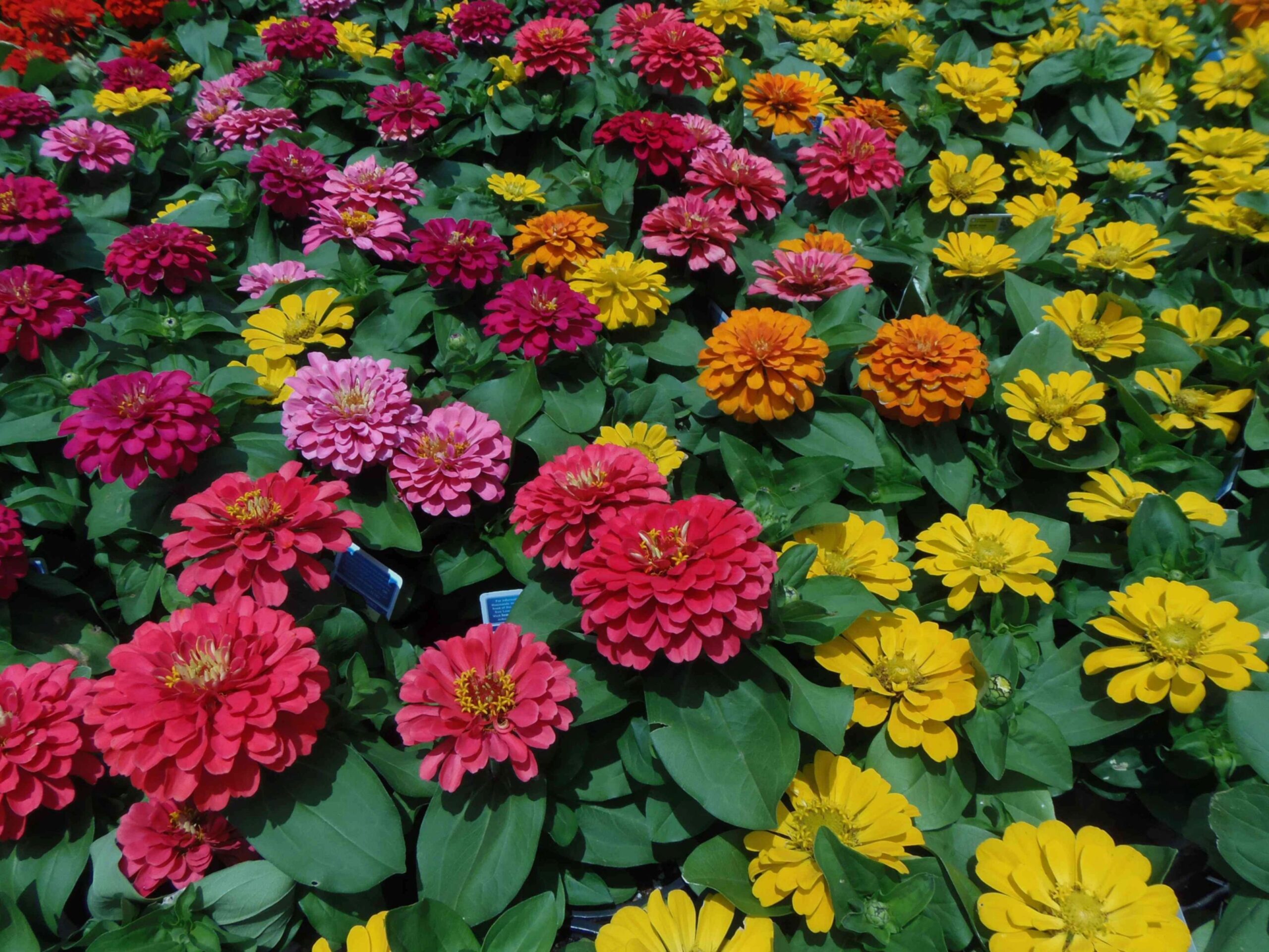
We all pretend gardening requires a green thumb, patience, and a PhD in botany. It doesn’t.
Especially if you pick the right seeds.
Here are 14 flowers that will grow even if you ignore them. They forgive neglect. Some thrive on it.
Let’s skip the fluff. Here is how you get flowers without the stress.
Bachelor’s Button (Centaurea cyanus )
Look like miniature carnations. Usually blue, but not always. Butterflies love them, so expect guests.
They bloom from midsummer straight through to the first frost. That is a long run for very little effort. Water them during a heatwave. Ignore them otherwise.
Sow seeds in the ground after spring frosts end. Or start inside 6-8 weeks early if you are anxious. Transplant when it warms up.
Collect those brown seed pods in autumn. Save them. Next year’s crop is basically free.
Pro Tip: Let the plant seed itself. Come back next year and say hi to your free flowers.
- Zones: 2a – 11b
- Colors: Mostly Blue
- Light: Full Sun
- Soil: Average, drains well
Calendula (Calendula officinalis )
Bright. Loud. Edible, too.
Calendula brings that punchy yellow-to-orange energy that borders need. Great in containers. Great lining paths.
Drop seeds in after frost. Start indoors early if you must.
They self-seed like crazy. If you hate buying new plants every spring, this is your guy.
Hot climate? Shield them from the harsh afternoon sun. Keep soil damp-ish. Snip off dead blooms so they make new ones.
It is that simple.
- Zones: 2a – 11ba
- Colors: Yellow, Orange
- Light: Sun or Part Shade
- Soil: Average, well-draining
Columbine (Aquilegia )
Perennials. Thank goodness.
They bloom in spring and early summer, then take a breather. The flowers show off hard – blues, purples, reds, pinks, you name it.
Let them self-seed. They will colonize your bed with zero maintenance from you. Just do not drown them.
Poorly drained soil kills them. Fast.
Snip the dead stems off. This tricks the plant into staying pretty longer. Otherwise? Do nothing.
- Zones: 3b – 8b
- Colors: Every color under the sun
- Light: Sun to Part Shade
- Soil: Well-draining is key
Cosmos
Low-fuss? Try no-fuss.
Cosmos are annuals that act like they care. They bloom all summer. They make decent cut flowers for the vase, though they last longer in the ground.
They tolerate dirt that would kill anything else. Plant them anywhere that gets sun and isn’t constantly blowing wind.
Sow after frost. Or start inside. Deadhead the blooms. But leave some heads.
Why? So they reseed themselves. Lazy gardening at its finest.
- Zones: 2a – 10b
- Colors: Red, Pink, White
- Light: Full Sun
- Soil: Average, well-draining
Four O’Clocks (Mirabilis jalapa )
They open in the late afternoon. Hence the name.
Slightly weird timing, but worth it for the fragrance. Sweet. Subtle.
Treat them as perennials if you live somewhere warm. Annuals if frost comes knocking early.
Sow when the air warms. Or start indoors.
Water during dry spells. Otherwise, let them be. They bloom from summer to fall and ask for very little respect.
- Zones: 9b – 10a
- Colors: Pink, Red, Yellow, White
- Light: Sun or Part Shade
- Soil: Needs to stay moist
Marigolds (Tagetes )
The garden workhorse.
You will plant these seeds every single year because they die in the winter. Deal with it.
If you keep cutting the dead flowers off (deadheading), they bloom all summer.
They might sulk during peak August heat. That happens.
Give them shade if your afternoons are brutal. Keep the soil consistently moist.
Save the seeds in the fall. Plant next year. Repeat. It is the cycle of life, or whatever.
- Zones: 2a – 0b
- Colors: Yellow, Orange, Gold, Red
- Light: Full Sun
- Soil: Well-draining
Morning Glories (Ipomoea purpure an annual )
Vines. Climbers. Chaos, potentially.
They grow on trellises, fences, arbors. Anything vertical.
Starting them from seed outdoors takes forever – often until late summer just to see a flower.
Don’t wait.
Start seeds inside 6 weeks before your last frost.
Transplant out early. They bloom much faster that way.
Once they settle in? They self-seed aggressively. They come back year after year. Just water them once a week. Keep soil even.
- Zones: 2a – 9a
- Colors: Blue, Purple, Red, Pink, White
- Light: Full Sun
- Soil: Moist
Moss Rose (Portulaca )
If your soil sucks, grow Moss Rose.
Drought tolerant? Yes. Deer resistant? Also yes.
It covers the ground like a colorful carpet. Pests usually leave it alone if drainage is decent.
Sow directly in the garden after frost. Or start in pots.
Blooms start in summer, go until fall kills them.
Deadhead for more flowers. Or let seeds fall for next year.
No wrong answer here.
- Zones: 2a – 6a
- Colors: Red, Pink, Yellow, Orange
- Light: Full Sun (Crucial)
- Soil: Poor is fine. Drainage matters.
Nasturtiums
Edible. Tangy. Beautiful.
You can actually be mean to these plants. They thrive on neglect.
Too much fertilizer ruins the bloom. Seriously, skip the food. They hate rich soil.
Leaves and flowers go in salads. Nice kick of flavor.
Also nice to look at. They handle poor soil and dry spells.
Just water when it feels like a desert, and give them some shade in hot cities.
- Zones: 3a – 6a
- Colors: Orange, Yellow, Red, Cream
- Light: Sun (with afternoon shade if hot)
- Soil: Average, slightly acidic
Shasta Daisies (Leucanthemum superbum )
Perennials with a classic look. White petals, yellow center. The OG garden flower.
They bloom from July to September.
Spread aggressively. Plant one patch, come back in two years, and find a jungle.
Not a complaint. Just a heads up.
Cut back stems after the season ends. Down to the lowest leaf. This saves energy for winter survival.
Deadheading during bloom? Encourages more flowers. Skip it if you don’t care about looking pristine.
- Zones: 4a – 8a
- Colors: White / Yellow
- Light: Full Sun
- Soil: Average, well-draining
Sunflowers
The ultimate patience test.
Nothing happens for months. Then BOOM.
Giant faces looking at the sun.
Wait until mid-summer (July-August) for blooms. It is worth it.
Do not bother starting seeds indoors. They bloom at the exact same time whether they grow outside or start in pots. Waste of effort.
Plant directly after frost. Keep away from strong wind – tall stalks snap easily.
They are annuals. You must replant.
Save the seeds! Put netting over a few heads to keep birds from eating your dinner (or next year’s crop).
- Zones: 3a – 5b
- Colors: Yellow, Red, Brown
- Light: Full Sun
- Soil: Average, moist
Sweet Alyssum (Lobularia mar )
Smells amazing. Like perfume.
Blooms spring into early summer (April-June). Then?
The summer heat crushes it.
That is fine. Cut the whole thing in half in summer. It might bounce back with fall blooms.
Or just throw more seeds in the ground in August for fresh plants.
Sow early spring, slightly before the last frost.
They fill in borders and smell nice when you walk past them.
- Zones: 6a – 3b
- Colors: White (Usually)
- Light: Sun to Part Shade
- Soil: Average moisture
Sweet Peas
Cool-weather lovers.
Start early. Indoors, 6-8 weeks before the final frost.
They want to bloom before the real summer heat arrives. If you plant them late? They die of exhaustion in July.
Climbers. Nice cut flowers. Fragrant.
Keep soil rich – compost, fertilizer, whatever.
They drink a lot. Keep moisture steady.
If your summer is humid and hot, don’t expect them to survive. Acceptance helps.
- Zones: 4a – a
- Colors: Blue, Pink, Burgundy, Peach, etc.
- Light: Full Sun (but likes cool temps)
- Soil: Rich, Humus
Zinnias
They hate cool weather.
Zinnias need the heat to kick into gear. Don’t panic if nothing happens in May.
June comes, temperatures rise, and suddenly it’s a color explosion.
Sow after last frost.
Want non-stop color? Sow more seeds every few weeks throughout June. Staggered planting means staggered blooms.
You can start indoors 4-6 weeks early, but honestly, they love it in the hot ground.
Deadhead them. Constantly. If you let them seed? Good luck pulling up every single volunteer next spring.
(Or keep them. They are beautiful.)
- Zones: 3a – a
- Colors: All of them
- Light: Full Sun
- Soil: Moist, well-draining
So, there you have it.
Plants that work while you sleep, work at your job, and occasionally forget where you left the trowel.
Start small. Or don’t.
Just get some dirt in the air.