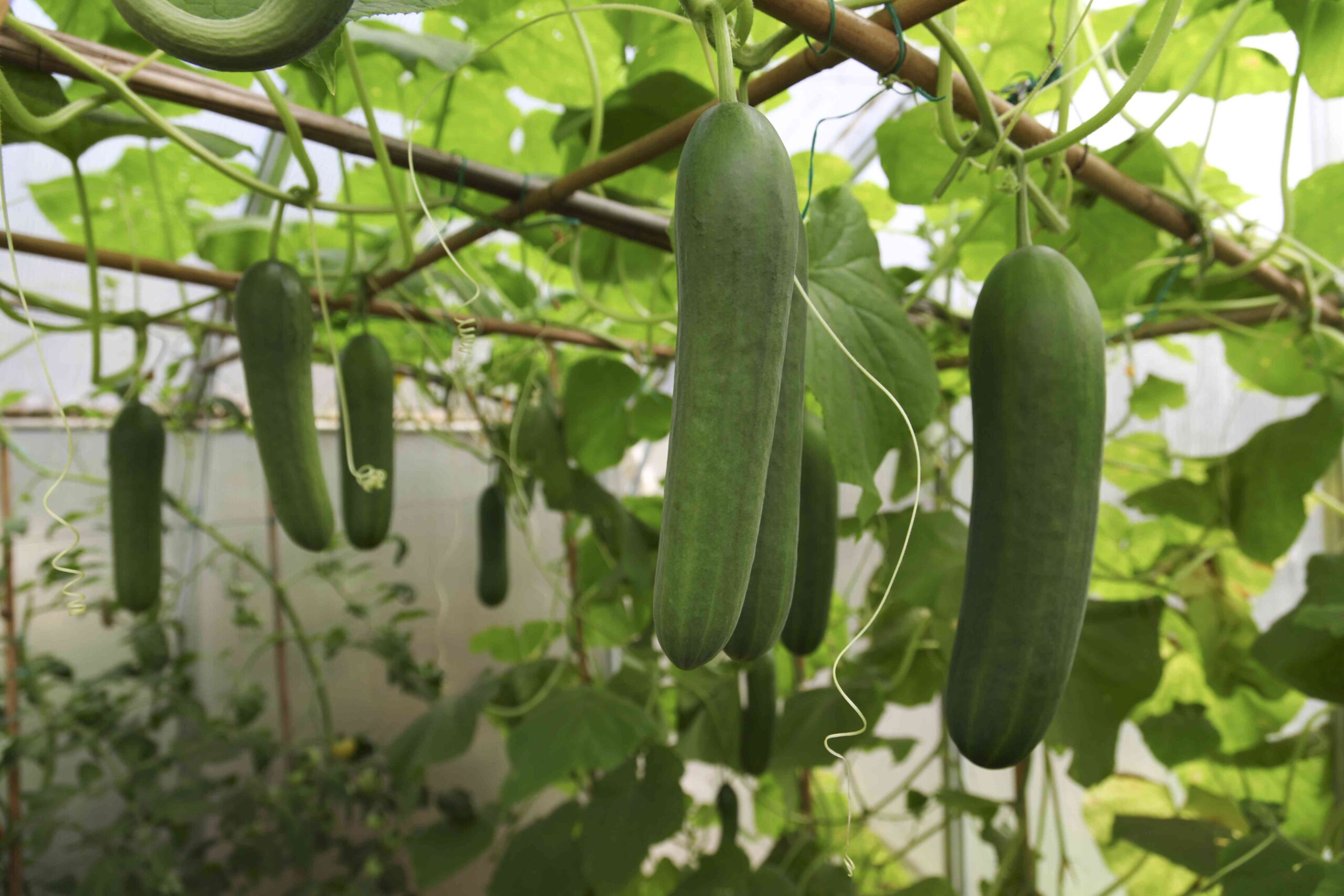
A single healthy cucumber plant is far more productive than most casual gardeners expect. While yield varies significantly based on variety and care, a well-maintained plant can produce between 15 and 30 cucumbers over its lifetime. This potential output transforms the humble cucumber from a simple salad ingredient into a high-reward crop, provided you understand the biological mechanics behind its growth.
The difference between a sparse harvest and an abundant one rarely comes down to luck. It is determined by three critical factors: genetic variety, nutrient management, and harvesting frequency. By optimizing these elements, you can shift your garden from merely surviving to thriving.
Understanding Cucumber Biology: Why Variety Matters
Not all cucumbers are created equal. With over 100 varieties available, the type of flower your plant produces dictates its maximum yield potential. Understanding these categories helps you choose the right plant for your specific gardening goals.
1. Monoecious Cucumbers (The Standard)
These are the most common open-pollinated varieties. They produce both male and female flowers, with a ratio of roughly 10 to 20 male flowers for every single female flower.
* The Challenge: Only female flowers develop into fruit. If bees or other pollinators do not visit the female flower, it will wither and drop off.
* The Result: Lower yield potential due to the high ratio of “non-fruiting” male flowers.
2. Gynoecious Cucumbers (The Early Yielders)
These varieties produce almost exclusively female flowers, significantly increasing the chance of fruit set.
* The Benefit: They tend to fruit earlier in the season.
* The Catch: They still require pollination. If planted in isolation without male-flowering plants nearby to provide pollen, the female flowers will fail to develop into cucumbers.
3. Parthenocarpic Cucumbers (The High-Performers)
For maximum productivity, parthenocarpic varieties are the superior choice. These plants produce fruit without the need for pollination.
* The Advantage: The plant does not waste energy producing male flowers, and yield is not dependent on bee activity. This makes them ideal for greenhouses or areas with low pollinator populations, resulting in the highest consistent yields.
Fueling Growth: Nutrition and Sunlight
Cucumbers are “heavy feeders,” meaning they deplete soil nutrients rapidly. To support a yield of 30+ fruits, the plant requires a steady supply of energy, particularly during the reproductive phase.
- Phosphorus for Flowers: To encourage the plant to produce more fruit-bearing flowers, apply a phosphorus-rich fertilizer as soon as blooms appear.
- Weekly Feeding: Consistency is key. Feed your plants weekly once flowering begins.
- Hydration: As fruit begins to form, consistent watering becomes critical. Inconsistent moisture can lead to bitter fruit or blossom end rot, ruining the harvest.
- Sunlight Requirements: Cucumbers are sun-lovers. They require at least eight hours of direct sunlight daily. Insufficient light leads to weak vines and fewer flowers, directly capping your yield potential.
The Harvest Loop: Why Picking Matters
One of the most misunderstood aspects of cucumber gardening is the relationship between harvesting and production. A plant’s primary biological goal is reproduction, not indefinite fruit production.
When a cucumber matures on the vine, the plant receives a chemical signal that its reproductive cycle for that fruit is complete. If left to grow old, the plant slows down the production of new flowers.
The Golden Rule: The more frequently you harvest mature cucumbers, the longer the plant will continue to produce new flowers and fruit.
Regular harvesting—ideally every 1–2 days during peak season—tricks the plant into thinking it needs to produce more seeds, resulting in a prolonged and abundant harvest.
Common Pitfalls That Stifle Yield
Even with the right variety, poor placement and care can negate your efforts. Avoid these common errors:
- Crowding the Vines: Cucumbers need space to sprawl or climb. Compact planting restricts growth, limiting the plant’s ability to develop the large leaf canopy necessary for photosynthesis and fruit production. Use a trellis to verticalize growth, which improves air circulation and light exposure.
- Ignoring Soil Health: Heavy feeders demand rich, well-drained soil. Incorporate compost before planting to ensure a robust nutrient base.
- Lack of Pollinators (for non-parthenocarpic varieties): If you are growing monoecious or gynoecious cucumbers, you must attract bees. Planting pollinator-friendly flowers nearby ensures that the female flowers are successfully fertilized.
Conclusion
Maximizing your cucumber yield is less about guessing and more about managing biology. By selecting parthenocarpic varieties for reliability, ensuring eight hours of sun and weekly phosphorus-rich feeding, and harvesting frequently, you can consistently achieve the upper end of the yield spectrum. The effort required is minimal, but the reward—a continuous supply of fresh cucumbers throughout the summer—is substantial.