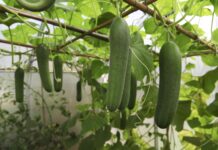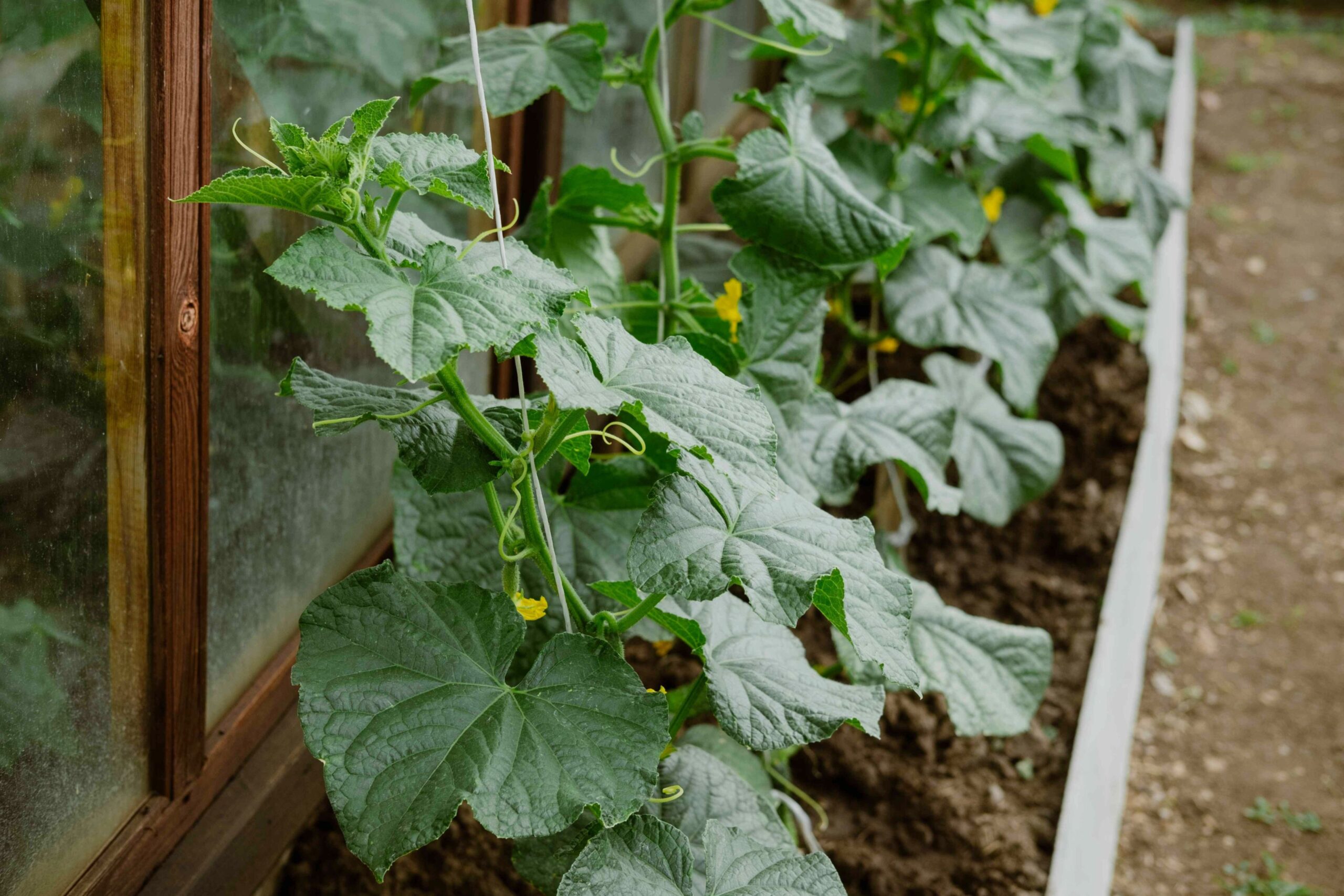
Growing cucumbers (Cucumis sativus ) is one of the most rewarding ways to capture the essence of summer. While these annual vines are traditionally associated with sprawling garden beds, they thrive equally well in containers. This flexibility allows gardeners with limited space—such as those on balconies or patios—to enjoy fresh, garden-crisp produce without the constraints of soil beds.
Whether you are aiming for crunchy picklers or juicy slicers, success in container gardening comes down to understanding the plant’s specific needs for warmth, space, and consistent moisture. Here is everything you need to know to cultivate a bountiful harvest in pots.
Timing and Temperature: Starting Right
Cucumbers are warm-season crops that demand specific thermal conditions to thrive. The seeds require soil temperatures of at least 60°F (15°C) to germinate and mature properly.
- Outdoor Planting: For most U.S. hardiness zones, the safest time to plant outdoors is after the final frost, typically in early to mid-May. Southern climates may allow for earlier planting.
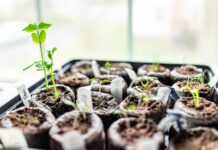
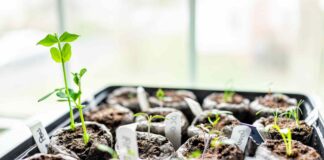
- Indoor Starts: To get a head start, sow seeds indoors in flats or directly in their final pots. Once germinated, seedlings need a bright location receiving six to eight hours of direct sunlight daily.
- Year-Round Growing: In consistently warm climates, cucumbers can be grown year-round. Because they are annuals that die back after fruiting, succession sowing (planting new seeds every few weeks) is essential to maintain a continuous harvest.
Setting Up the Container Foundation
Choosing the right vessel and soil mix is critical for root health and moisture retention.
- Select the Right Pot:
- Size: Use pots with a diameter of 12 to 24 inches and a depth of at least 12 inches.
- Material: Plastic or ceramic 5-gallon containers are ideal because they retain moisture better than terra cotta.
- Drainage: Ensure the pot has ample drainage holes to prevent root rot.
- Prepare the Soil Mix:
- You can purchase high-quality potting mixes formulated specifically for cucumbers.
- Alternatively, create a custom blend using equal parts potting mix, compost, perlite, and peat moss. This combination ensures proper aeration and nutrient availability.
- Install Support Early:
- Vining varieties require structural support. Install a trellis or stake before planting the seeds to avoid damaging roots later.
Planting and Early Care
Proper planting technique sets the stage for vigorous growth.
- Sowing Depth: Plant seeds 1/2 to 1 inch deep.
- Spacing Guidelines:
- Bush varieties: One plant per 12-inch pot.
- Vining varieties: Four to six plants per 20-inch container.
- Initial Watering: Cover seeds with loose soil and water gently but thoroughly. Avoid heavy spraying that might wash seeds away.
- Sunlight: Place containers in a spot that receives six to eight hours of direct sunlight daily.
- Mulching: Add a layer of mulch to help retain soil moisture and regulate temperature.
Ongoing Maintenance: Water, Food, and Protection
Consistency is key when growing cucumbers in containers, as the soil volume is limited and dries out faster than ground soil.
Watering Strategies
- Frequency: Provide 1 to 2 inches of water per week. During peak summer heat, you may need to water twice daily.
- Technique: Water at the soil level to keep foliage dry, which helps prevent disease. Morning watering is best, as it fuels photosynthesis throughout the day.
- Consistency: Keep soil consistently moist. Irregular watering causes fruits to become bitter and hollow.
Fertilization Schedule
- Germination Stage: Once seeds sprout, apply a balanced, slow-release granular fertilizer.
- Flowering Stage: When flowers appear, switch to a low-nitrogen, high-potassium formula every two weeks. This encourages fruit production rather than excessive leafy growth.
- Fruiting Stage: Increase feeding frequency to once a week once fruits begin to form.
Pest and Disease Management
Cucumber plants in pots are susceptible to powdery mildew and cucumber beetles. Regular inspection is vital. At the first sign of trouble, take immediate remedial action to protect the crop.
Choosing the Right Varieties
Not all cucumbers are created equal for container gardening. Look for cultivars labeled “bush” for compact growth, or select vining types that are known to perform well in restricted spaces.
- Salad Bush Hybrid: A compact plant (6–8 inches tall) that produces full-size 8-inch slicing cucumbers. It offers high disease resistance.
- Pickle Bush: A classic pickling variety yielding uniform 4-inch fruits on 2-foot vines. It is resistant to powdery mildew and cucumber mosaic virus but requires trellising.
- Bush Champion: A high-yielding bush variety producing 8- to 12-inch slicing cucumbers.
- Spacemaster: Ideal for containers and hanging baskets. It produces dark green, 7.5-inch fruits on short 26-inch vines and is resistant to scab and mosaic virus.
- Mini Munch F1: A seedless snacking cucumber producing 3- to 4-inch fruits on 3-foot vines. Suitable for indoor or outdoor container growing, though it requires trellising.
Harvesting for Maximum Yield
The harvest window can last from several weeks to months, depending on the variety and environmental conditions. To extend the production period, pick fruits regularly as soon as they ripen.
- Timing: Harvest when fruits feel solid and have a uniform green color.
- Method: Use a snipping tool or knife to cut the cucumber from the vine, leaving about 1/4 inch of stem attached.
- Caution: Never pull or twist the fruit, as this can damage the vine and reduce future yields.
- Best Time: Harvest in the morning when fruits are crisp and cool.
Conclusion: Growing cucumbers in pots is a manageable and highly rewarding endeavor for gardeners of all skill levels. By selecting appropriate varieties, maintaining consistent moisture, and providing adequate support, you can enjoy a steady supply of fresh, homegrown cucumbers throughout the warm season.