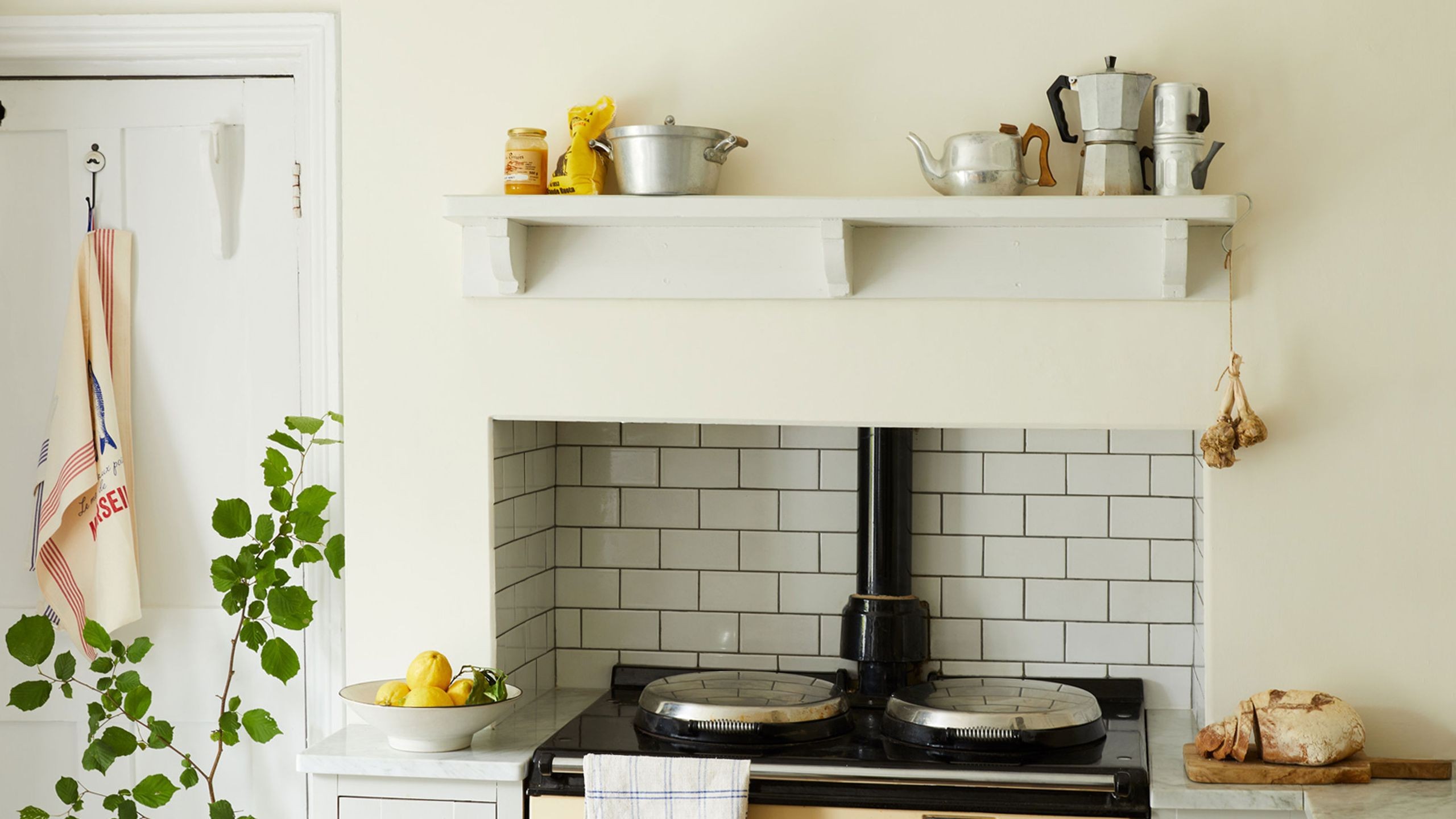
Walls are the silent witnesses to daily life, absorbing everything from kitchen grease and fireplace soot to the inevitable scuffs from furniture and family activity. While a full repaint is the ultimate fix, it is often a time-consuming and expensive project that doesn’t fit into immediate renovation schedules. For homeowners looking for a budget-friendly interim solution, the key is knowing which cleaning methods are safe for your specific paint finish and which might cause more harm than good.
To separate fact from fiction, we tested five popular wall-cleaning techniques—ranging from basic household staples to specialized chemical cleaners. Here is a breakdown of what worked, what didn’t, and how to prepare your walls for the best results.
Preparation: The Critical First Step
Before applying any liquid or cleaner, proper preparation is essential to avoid damaging the paint. Lynsey Crombie, a home cleaning expert, emphasizes that dry cleaning must come first.
- Remove loose dirt: Dust and grit act as abrasives. If you scrub them into the wall with a wet cloth, you create micro-scratches that dull the finish.
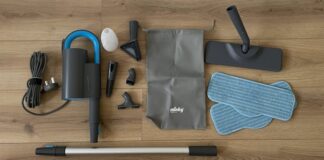
- Use the right tool: A long-handled microfiber mop or soft cloth is ideal for reaching high corners without leaving residue.
- Work top-to-bottom: This prevents dust from settling on areas you have already cleaned.
Once dry-cleaned, identify your paint finish. Matte and flat paints are delicate and prone to damage, while satin and gloss finishes are durable and designed to withstand washing. Always test any method in an inconspicuous area first.
1. Warm Water and Washing-Up Liquid
The Gentle Baseline
This is the standard starting point for most cleaning experts. Benjamin Hirst, director at Smart Cleaning, notes that many wall damages occur because people scrub too hard or use overly harsh chemicals. The goal is to remove marks without stripping the paint’s sheen.
- The Method: Mix a small amount of mild washing-up liquid with warm water. Use a damp (not soaking) microfiber cloth to gently wipe the surface.
- The Verdict: This is the safest option for delicate paints. It left the least amount of residue on the cloth, indicating it wasn’t stripping away the top layer of paint. While it may not remove heavy, set-in stains instantly, it is highly effective for everyday dust and light smudges. It is particularly useful for high areas, such as above fireplaces, where a mop can be used without aggressive scrubbing.
2. Sugar Soap
The Grease-Busting Powerhouse
Despite its name, sugar soap contains no sugar. It is a blend of sodium carbonate, sodium phosphate, and sodium silicate, chemicals specifically designed to break down oils and grease.
- The Method: Apply diluted sugar soap (or a pre-mixed spray) to the stained area. Work it in with a sponge or damp cloth, then wipe clean with fresh water to remove any chemical residue.
- The Verdict: This method excelled at removing stubborn grease and soot. It was particularly effective on the upper sections of walls and ceilings where soot accumulates. Because it cuts through grime without harming most paint finishes (when diluted correctly), it is a strong recommendation for kitchens and living rooms with open fires.
3. White Vinegar
The Natural (But Limited) Option
White vinegar is a versatile household cleaner, known for dissolving limescale and freshening surfaces. However, its effectiveness on walls is nuanced.
- The Method: Mix one part white vinegar with two parts water. Spray onto the stain and wipe away. Repeat as necessary.
- The Verdict: This was the least effective method for general wall cleaning in our tests. While it did remove one stubborn dark mark, it struggled with widespread grime. Experts warn that grease can penetrate porous paint; if vinegar doesn’t lift the stain, it likely means the grease has soaked into the plaster, requiring paint over it rather than cleaning.
4. Mildly Abrasive Cream Cleaner
The “Dad’s Method” Risk
This method was not recommended by professional cleaners but was a family favorite for its immediate visual results. Cream cleaners contain mild abrasives that physically scrub away surface layers.
- The Method: Apply the cream cleaner to a cloth and rub gently over the mark.
- The Verdict: Proceed with extreme caution. While this method erased scuffs and stains remarkably well, it visibly stripped the top layer of paint, leaving white residue on the cleaning cloth. On durable, scrubbable paint, this might be acceptable, but on matte or older finishes, it can create dull, patchy spots. It is a high-risk, high-reward strategy that should only be used on tough, resilient surfaces.
5. Magic Eraser (Melamine Sponge)
The High-Performance Hazard
Magic Erasers are made from melamine foam, which acts like ultra-fine sandpaper. They require only water to work and are famous for removing pen marks, crayon scribbles, and heavy scuffs.
- The Method: Dampen the sponge and gently rub the marked area. Do not use excessive pressure.
- The Verdict: This was the most effective tool for removing deep scuffs and heavy grime, particularly in high-traffic areas like hallways. However, experts warn that it can dull the finish of your paint if overused. Because it removes the top layer of the stain and the paint’s sheen, it can leave cleaned patches looking different from the surrounding wall. If you use this method, you must commit to cleaning the entire wall uniformly to avoid a patchy appearance.
Understanding Paint Finishes
The success of any cleaning method depends largely on the paint type used. Benjamin Hirst explains that durability is key to maintenance:
- Gloss and Satin: These are the easiest to clean. Their smooth, sealed surfaces resist dirt penetration and can withstand repeated wiping.
- Eggshell: A middle-ground option that offers some durability but less than satin.
- Matte Emulsion: The most difficult to clean. Its porous nature absorbs dirt and marks easily, and it does not respond well to aggressive wiping.
Key Insight: The easiest walls to maintain are those painted with a durable, scrubbable finish from the start. In high-traffic areas like kitchens and hallways, investing in higher-quality, washable paint saves significant effort in the long run.
Quick Tip: Cleaning Furniture Scuffs
For scuff marks on painted furniture, avoid liquids initially. Lynsey Crombie suggests using a clean pencil eraser or a dry microfiber cloth to lift the mark. If that fails, a slightly damp cloth with a tiny amount of bicarbonate of soda can provide a mild abrasive effect, but always use gentle pressure to protect the finish.
Conclusion
For most homeowners, warm water with washing-up liquid is the safest starting point for routine maintenance, while sugar soap offers the best balance of power and safety for tougher grease and soot. Magic Erasers are effective for deep scuffs but should be used sparingly to avoid damaging the paint’s sheen. Ultimately, choosing the right paint finish for high-traffic areas is the most effective long-term strategy for keeping walls looking fresh.