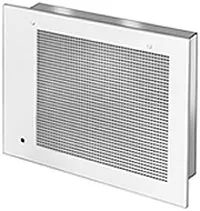
Not all air purifiers use the same technology to clean the indoor air. The most common type is an air cleaner. It works by forcing air through a physical barrier. It may already be installed. It can be hidden inside the housing between the HVAC system, the return air duct and the furnace. The filter just slides in.
This setup serves two purposes. It can pulls contaminants from the air you breathe. It also prevents dust and dirt from clogging the furnace components. Over time, this build-up can lead to wear and tear. There may also be filter slots in the ventilation openings of different rooms. Materials vary. You can see foam, cotton, fiberglass or synthetic fibers.
The trick is density. A tighter weave, the smaller the gaps. Smaller gaps, the catch smaller particles. Pleated filters usually win in efficiency tests. The larger surface area gives the trap more room to work. But here’s the weird part. The filter can capture particles smaller than its own mesh size. Physics plays a role there.
However, this comes at a cost. Quality air filters are not cheap. They need to be replaced regularly to keep them working properly. Some products are washable, but most are not. And they do restrict airflow. That restriction drops the overall efficiency of the system. You pay more in energy bills to push air through a clogged screen.
HEPA standard
If you need serious filtration, you can look for a HEPA (High Efficiency Particulate Air) filter. This is more than just a marketing term. It meets a specific Department of Energy standard. The material itself is not important, the result is more important. The filter should block 99.97% of particles or larger. That is the benchmark. This is a benchmark.
Penetration must stay below 0.03 percent. In addition, the filter must allow a specific volume of air to pass through it. This flow rate depends on the size of the filter. You can’t just make a block of foam and call it HEPA. It has to perform.
ULPA: Stricter standards
There is also a even stricter tier called ULPA (Ultra Low Penetration Air). It goes beyond standard HEPA requirements. These filters are used where precision matters. The nuclear power industry relies on them. You don’t usually find them in suburban living rooms. However, these are the top of the line in particle removal.
For most homeowners, standard HEPA is the jump up from basic fiberglass. It traps allergens. It collects dust. It keeps the air from feeling stale. But it comes with a airflow penalty. Clean air and system efficiency must be balanced.
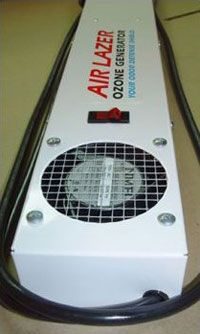

How ionizing air purifiers really clean the air
Ionizing cleaners don’t just filter. They charge.
The core mechanism is corona discharge. It is a small, powerful electric field. Air molecules pass through it. Most atoms are neutral. They have a balance of electrons and protons. But not in the air cleaner.
The field knocks the electrons on or off. A molecule can acquire a negative charge. Or lose one and get positive. Larger particles – dust, pollen, dander – are more likely to trap this charge. They are bigger targets.
Once loaded, physics takes over. Opposites attract.
There are two metal plates inside the device. One is negative. One is positive. Charged particles swing towards them. They get stuck. But that’s not all.
Particles in the air also attract each other if they have different charges. They pile up together. These units will be heavy. Too heavy to stay suspended. They fall. Lands from the air on the surfaces below.
It is effective in capturing fine particles. But it leaves dust on your floor.
Difference between ozone generators
Ozone generators are similar to ionizers. You can even use the same Corona Discharge technique. But the goal changes completely.
Instead of charging dust, the device directs oxygen.
Atmospheric oxygen usually occurs as diacid. Two atoms bonded together. The generator applies high voltage or UV light to these molecules. The bond breaks. Part of the oxygen is divided into individual, free atoms.
Most of them come together quickly. Back in dioxin. But not all.
Some free atoms attach to other dioxygen molecules. They form ozone. A molecule consisting of three oxygen atoms.
Ozone is a strong oxidizer. It can neutralize odors and kill microbes. But it is also a lung irritant.
This is where the boundaries get blurred. Some devices claim to be “ionizers” but release significant amounts of ozone as a byproduct. Others are specialized ozone generators intended for whole home care. The result is the same chemical change. There is no security profile.
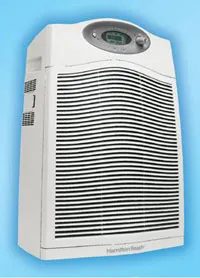

The ozone myth and hidden risks
Manufacturers often promise that ozone devices will deodorize and disinfect your home. They might even claim broader health benefits. The evidence says otherwise. Ozone does not effectively purify air. More importantly, it is a toxic gas.
The molecule is unstable. It reacts quickly with other chemicals in your home. These reactions create new compounds. Some of these byproducts are more dangerous than the ozone itself. Ozone also oxidizes metals. It causes corrosion on appliances and fixtures. The process that generates ozone also produces nitrogen oxides. These interact with existing air compounds. The result is a mix of irritants that can harm your lungs. Skip the ozone generators. They solve nothing while creating new problems.
How adsorbents trap pollutants
Many purifiers rely on adsorbent materials. They tackle odors, fumes, and chemicals. Adsorption is not absorption. It traps substances on a surface.
Activated charcoal is the standard. It is extremely porous. It has microscopic nooks and crannies. Large particles get stuck in the pores. Electrostatic attraction pulls some substances inside. Others react chemically with the charcoal. They bond to the surface. The high surface area provides plenty of bonding spots. The manufacturing process affects which compounds the charcoal adsorbs best.
UV light for sterilization
Ultraviolet radiation works differently. It renders microorganisms sterile. It makes them harmless. Some air purifiers use UV lights. The air passes through the beam. Bacteria and viruses are neutralized. This method targets biological contaminants. It does not remove dust or VOCs.
Industrial versus home solutions
Industrial air purifiers are on another level. They are far more powerful. They are also significantly more expensive. Companies use them for specific reasons. Some manufacturing processes require a contaminant-free environment. Others need to pull contaminants out before exhaust. This helps meet environmental standards.
Some systems circulate and filter air massively. They can change the room’s air ten times per minute. Others use scrubbers. They employ high-density filters. Mist collectors and extraction units decontaminate the air leaving the facility.
These systems cost tens of thousands of dollars. A cleanroom facility like Intel’s probably costs millions. They are not suitable for home use. They are overkill for residential spaces. Stick to consumer-grade models that focus on HEPA filtration and activated carbon. The industrial gear is a different world entirely.