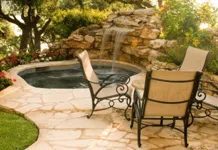
There is something special about turning a small garden area into an extension of your living room. It is much cheaper than building an extension to your home. Get some fresh air. You get control. One moment you are watching the sunset. Next, spray your deck with a hose or spray your patio with insecticide. It looks natural, but carefully chosen.
But achieving this requires strategy.
When decorating your outdoor space this season, your furniture choices will determine your experience. If you’re using a cheap patio chair, you’ll probably have to retreat indoors after ten minutes of squirming. Good furniture will make you spend hours outside.
Decorating your garden isn’t just about looking pretty on Instagram. It has to withstand the elements. It has to provide value. Learn how to buy really durable outdoor furniture.
Demand good quality
Stop looking for deals. Start looking for errors.
Bad welding. Broken wheels. The edges are coming off because it was painted by an amateur. These are not small details. Those are red flags. That “great deal” is likely to be a bad buy that will collapse by next summer.
We tend to think of outdoor furniture as secondary. We thought that since it was outside it wasn’t as important as the couch inside. *This is wrong. Anything outside is exposed to the sun and weather and can be vandalized by children and pets. This takes a hit.
Check all parts. If the price seems too good to be true, it is. Generally, the higher the price, the better the materials and construction. You are paying for longevity.
Protect your investment by storing parts in your garage or shed for the winter. If this is not possible, buy a high-quality zippered cover. The universal cover attaches easily to any standard-sized table or lounge chair.
Outdoor furniture must withstand sunlight, wind, rain and abuse. Quality inspection is non-negotiable.
The form follows the function
Decide how you will use your space before you buy. Your choice of material should be based on two factors: how much time you want to spend moving your furniture and how much maintenance you can tolerate.
Consider a lightweight aluminum or plastic chair. They are rust-resistant. Easy to drag across the lawn to a block party. They are easy to stash in a shed in October. They don’t have the weight of steel, but they can be stacked and folded. Can be hung on the wall when not in use.
Compare it to a cedar seat. It feels solid. It feels like indoor furniture. It also looks beautiful. But it needs maintenance. You will need to apply sealant every few years. Moving it to catch the shade is a chore.
Choose materials according to your lifestyle, not just aesthetics.
Aluminum, plastic, and PVC Rust resistant. It is very light. It is relatively cheap. Can be washed with soap and water. They require little weather treatment.
* Steel and wrought iron are heavy duty. They are sturdy If you don’t paint it regularly or weatherproof it, it will rust.
* Rattan, wicker, and natural grasses is excellent for outdoor use. Especially when treated with a resin finish. They last well. They may need additional weatherproofing every few years.
Wood looks attractive. It is sturdy. Very comfortable. However, regular treatment with preservatives and UV protection is necessary. Choose weather-resistant woods such as teak, redwood, cypress and cedar.
Don’t underestimate your options
Stop thinking small.
Most people buy furniture that perfectly suits their current needs. They leave no room for growth. This is wrong.
If you plan to entertain friends, buy seating for six, even if there are only 2 of you. If you have a dog, buy a sectional where it can be comfortable without being cramped.
The slightly larger size prevents the awkwardness of standing when all your guests are seated. Flexibility is also taken into account. You can always move furniture around to create more space. You cannot expand a table that is too small.
Measure your space accurately. Leave at least 3 feet of walking space around furniture. Consider line of sight. You want to see the horizon, not the back of someone’s head.
Think about the flow. Can you get from the grill to the table without bumping into the chairs? Is there enough room for a server to pass?
Don’t be afraid to go big. It’s better to have too much space than too little.
A sitting test you can’t skip
You may have seen it before. These metal-framed chairs look like they came from the studio of a mad scientist. Sure, it’s called a sling chair, but let’s be honest. They act as seats. Just barely. If you had a choice between sitting on one of these toilets or sitting on top of a broken toilet, you would choose the toilet.
There is a reason for the discomfort. It’s almost never just one.
Size is often to blame. Many patio chairs are too narrow. It feels like you’re sitting on a shelf. Others sit so low on the ground that getting up requires gymnastic moves they don’t want to do. This applies especially to the elderly. “embarrassing exit” are a reality. You grab the armrest. You heave. Nothing works.
There are also lounge chairs and sofas. In the showroom, the deep seats exude luxury. Outdoors? This is a trap. If the seat cushion is too deep, there is nowhere for the lower back to rest. You slide forward. After twenty minutes, you’re done.
The rules are simple. Test what you come up with. It’s not just about looking. Please sit there. Be there. Read the pages of the book. If you want to stand up immediately, put it back on the shelf. Buy for comfort. Always.
7: Don’t forget the shade
Sunshine is lovely until it isn’t. Direct UV exposure affects outdoor furniture in two ways. It fades the fabric. It heats up the metal or wood.
Let’s think about materials. Aluminum stays cool. Teak lasts longer in the sun. But no material can stay exposed forever without help.
A shade plan is required. Umbrellas are the obvious choice. They’re movable. You can tilt them as the sun moves across the sky. However, they are not always stable. The large umbrella turned into a flying object due to the strong wind.
Pergolas are more durable. They offer structural shade. But they are permanent. You commit to a place. If you are renting, you cannot build a pergola. If you move, you can’t take it with you.
Let’s think about the direction. Which way is your terrace facing? If it faces west, you’ll get the brutal afternoon sun. Adequate protection is required by 3 p.m. Morning light floods in from the east-facing terrace. This is kinder. Maybe you just need light shade or strategic planting.
The choice of fabric is also important. Solution-dyed acrylic is a material that is more resistant to fading than ordinary polyester. The initial costs are higher. But replacing faded cushions every two years can quickly add up.
“Shading isn’t just for convenience, it’s also about protecting your investment.”
Install shades before buying furniture. Alternatively, you can buy furniture that fits under the shade you plan to install. The sequence of actions is important. You don’t want to spend $2,000 on a set of lounge chairs that will sits in the direct glare all afternoon.
Check weight restrictions. If you add a sturdy fabric awning, make sure the structure supports it. Reinforce the attachment point. Use marine grade screws. Salt air can corrode standard hardware.
Let’s think about the wind. The durable shade structure can act
Sitting in the sun during the hottest times can cause pain. Furniture needs a break. Requires shade.
What could be better than a majestic oak tree? Special cover. Whether you use a manual umbrella, an electric awning or a permanent wooden structure on your terrace, make protection a priority. Make it a priority to create a space that refreshes you naturally.
6: Be flexible
Think about the stool in your living room. Everyone likes it because it is comfortable and easy to carry around. Apply the same logic to your outdoor space. You need items that can be changed according to your needs.
Here’s what to look for:
- Standalone umbrellas: Grab an umbrella that you can pull around the deck as the sun moves across the sky.
- Dividers and screens: These prevent prying eyes from the street and neighbors. Look for models with a built-in planter at the bottom. Add stability and seasonal color.
- Wheeled carts: Stop carrying trays back and forth. Use the cart to transport food and drink from the kitchen to the garden.
- Folding tables: Folding tables or accordion style tables are a lifesaver. Extend them when guests arrive. Fold it up at the end of the party.
5: Follow the Sales
Patience is rewarded. Don’t rush into buying something just because you see something you like. Wait for the clearance cycles. Major retailers offer discounts on outdoor furniture twice a year. It was time at the end of summer when we emptied the warehouse. As long as we have room for a new warehouse in early spring.
Timing your shopping around these times can save you hundreds of dollars on quality products. You get the same durability for a fraction of the price. When there is a big sale, be prepared for limited sizes and colors.
Time your purchases correctly to achieve the biggest savings
Everyone wants a deal, and seasonal outdoor gear prices can vary by up to 40% depending on the timing. Spring shopping is usually a money pit unless you find a big promotional sale. The best time to see them is from July 5 to the end of August. At the moment, retailers need to urgently destock for the next cycle.
The calculation is correct, even if you store your new sofa in a damp basement until April. Larger stores selling seasonal products must free up space. These are a great source for unadvertised specials. If you see something you like, walk straight to the department manager. Ask for additional discounts. You might be surprised at what they will concede. It never hurts to ask.
Integrate your furniture into the look of your home
Outdoor spaces should be sanctuaries. But it is not isolated. Since it is located on your property, it may be visible to neighbors and passers-by. You might think that a bright orange recliner with a yellow smiley face is cute. Be careful not to clash with other parts of your home’s exterior.
Outdoor furniture should be fun. They should feel carefree. But if you’re just going to spend a lot of money to enhance your curb appeal, don’t let it spoil the effect. Silly seasonal decorations can undermine serious architectural upgrades to your building. Balance is the key.
Put comfort and durability first
When shopping for end-of-season sale items, don’t just focus on the original price. Consider the materials. All-weather rattan, powder-coated aluminum and solution-dyed acrylic fabrics withstand weather conditions better than cheaper alternatives. These materials are resistant to fading and corrosion.
Check the construction. A tight weave indicates quality. Loose threads wear out quickly. Test the cushions. It should be thick and flexible. If you press your thumb into the foam and it springs back instantly, it’s a durable product. Thin padding flattens after one season.
Consider the weight of the frame. Heavier furniture is less likely to topple over in a strong wind. Lighter items may be easier to move, but require anchoring or stored during a storm. Consider your local climate. If you live in a rainy area, choose quick-drying fabrics. Avoid materials that absorb moisture and encourage mold growth.
Safety is also an important factor. Place glass tables and breakable decorations away from busy sidewalks. Damage can lead to injury and unexpected medical costs. If your chair cracks and you have to costs you in healthcare, it’s not cheap.
Consider maintenance. Depending on the material, regular oiling or sealing may be necessary. Others can just be washed off with a hose. Choose based on the amount of work you are willing to do. Even beautiful pieces require regular maintenance, which is just a chore.
Storage is also part of the equation. Measure your garage or shed before buying. Bulky sectional sofas are might not fit. Disassembly options is a big advantage. Look for furniture with removable legs or stackable components. This makes winter storage much easier.
Final considerations for do-it-yourself homeowners
inspect the joints before buying. Screws should be tight. Welds should be smooth. Poor construction is the fastest way to ruin a good deal. If the store offers assembly, ask if assembly is required. Some pieces come pre-assembled. Others need tools and patience.
Check the warranty. A good brand stands behind its products. Read the fine print. coverage
Most people buy patio sets and view them indoors. It looks good too. They don’t work. The difference between a messy deck and a usable outdoor room comes down to comfort. If it doesn’t feel good to sit in, you won’t sit in it.
You might be drawn to the smooth lines of steel or the rustic charm of wood. Structurally, this is good. But without soft, deep cushions, these pieces of furniture become just decorative pieces. Stop buying pancake cushions. You know the type. Thin, stiff, and unforgiving. They flatten out in minutes.
Look for “fat pads”. It should feel surprisingly light when you pick it up. That lightness comes from the filler. Polyester is the winner here. It’s springy. It bounces back. Best of all, it dries quickly.
“The lighter and more flexible the filling, the faster it dries when exposed to moisture.”
Fast drying is your best defense against mold and mildew. Wet cushions smell bad and stay wet for days. Flexible polyester wicks away moisture and allows it to air dry before spoiling. In this way, the sweet smell lasts longer and the appearance lasts longer.
How to Spot Cheap Construction
The patio set looks great in the showroom. It is possible that it will collapse within six months. Don’t just believe your eyes. Trust your hands and the magnet.
Start with metal. If you’re looking for an aluminum frame, bring a small magnet. Aluminum is not magnetic. Steel often is. If an object marked “steel” sticks to a magnet, it is likely to be real steel. If not, it could be a cheaper alloy or a misleading label. Remember the chemistry: Steel rusts. Aluminum doesn’t. Stainless steel doesn’t. Rust destroys furniture.
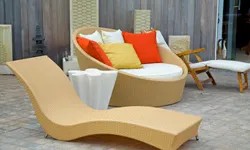
Look for lounge chairs with long frames that are not segmented. The shorter the part, the more joints it has. More joints means more weak points. The longer ones are a bit more expensive, but they last longer.
Sit in the chairs. It’s not just about looking. Apply your weight. Do they shift? Do they flex? If the chair wobbles, walk away. You want stability. Cross support is a good sign. It adds rigidity to the legs.
Check the screws. Stainless steel is standard. Standard steel screws can corrode and stain fabrics and frames. Run your fingers along wood surfaces. They should be sanded smooth. Splinters are a deal-breaker.
Check the feet. Rubber or plastic protectors are not negotiable. Metal legs on a composite deck will scratch. You don’t need to replace your covers just to save money on a $200 chair.
Which outdoor fabrics are really durable?
Linen pillows must not be taken out of the bedroom and thrown out. It will rot. Indoor fabrics absorb moisture. It fades. They tear.
The same cannot be said about outdoor textiles. Designed to repel water and evaporate moisture quickly. The fibers remain porous. The water drops rise and spin. Or it will absorb and dry before mold can grow.
UV protection is essential. Sunlight breaks down the fibers. Without UV inhibitors, pillows look like they were left in the dryer for 10 years after summer.
When inspecting the fabric, check the seams. Heavy threads are essential. The seams must be even. Uneven stitching can cause tearing. Look for vents. Small gaps and mesh panels promote air circulation. Air flow facilitates drying.
Invest in versatility. Can I unzip the pillow cover? Here’s how you can bring it indoors and clean it. Or just hang it for ventilation. Repairs also become easier. If one side is worn, you may only need to replace the cover and not the entire pillow.
Reversible seat cushions are also a smart choice. You rotate them. This ensures an even fade. Prevents constant pressure on one side. Acrylic, polyester, treated fabric and cotton duck down are all good choices. Resistant. It feels very soft. They can withstand the elements.
It’s more than just a seat. Curtains, blinds and parasols. If the fabric is suitable for outdoor use, it can withstand sun and rain.
Conclusion
Comfort is not an afterthought. This is the basics.
Choose light, flexible polyester wadding. Avoid using thin, flat carpets. Test metal with magnets. Sit in the chairs. Check the stitching.
The patio should be an extension of your living room. This is not a space for storing unused furniture. If it’s uncomfortable, it won’t work.