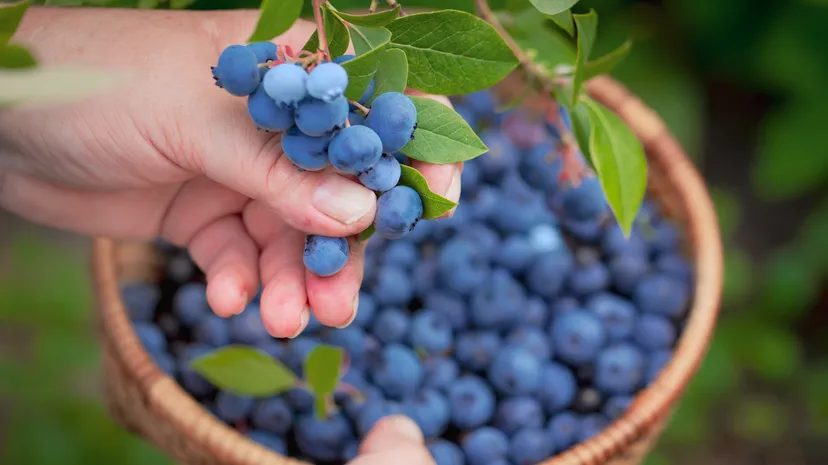
There is a special kind of heartache that comes with eating your favorite pie. The taste is perfect. Next up is Red Dive. It splashed on my collar. You look down. The blueberry juice claimed the fabric. The panic started.
Blueberry stains are famous. They don’t just stay on the surface. They immerse themselves. Even if you ignore them, they won’t go away. They turn yellow. These serve as a permanent reminder of careless moments. However, they are not necessarily fatal for clothes.
The clock starts ticking when the leak occurs. Speed is your only true ally. It takes planning. Before you start scrubbing, you need to know what kind of fabric you are using. Wiping the wrong way or using the wrong chemicals can spread the stain or permanently damage the material.
Check the label first. Next, get the appropriate accessories. Most of these items are probably already in your kitchen or pantry. No need to run to the store.
Quick repair of synthetic and delicate fabrics
If you are using acetate, triacetate, or a blend of synthetic fibers, you need to be gentle. These materials can be sensitive to heat and harsh chemicals.
First, wipe the area with cold water. Do not rub. Gently apply from the center of the stain outwards. This forces the juice out of the damaged fibers instead of penetrating them.
Next, apply the acid. Lemon juice is key here. Use fresh lemon juice on the stain or rub the cut end of a lemon slice directly onto the stain. Citric acid helps break down the pigment.
Rinse with cold water. Wipe off excess liquid with a clean towel. Allow to dry completely.
If the stain persists, you have two options. You can use commercially available stain removers. Cover with an absorbent pad moistened with stain remover. Pads absorb color and need to be replaced. Keep the area moist until the stain disappears. Rinse with water and let air dry.
For old or stubborn stains, use an enzyme pre-soak. Follow the instructions on the label exactly. Moisten the affected area with the solution. Cover with a clean absorbent pad dipped in the mixture. Leave on for 30 minutes. Do not allow the wet area to spread beyond the stain. If the color fades, wash it thoroughly with water and let it dry naturally.
Tackling stains on nylon, polyester, and spandex
Synthetic materials such as nylon, polyester, acrylic and elastane react differently than delicate acetate. It is more durable but retains the pigment.
Start immediately with cold water. Use the sponge to absorb it.
Then apply lemon juice again. Effective on almost all berry stains. Rub a lemon slice over the stain. Rinse with water. Wipe dry.
If any residue remains, do not put it in the dryer. Heat hardens the stain permanently. Pre-soak instead.
Mix the following solutions.
* 1 quart warm water
* 1/2 tsp dishwashing liquid or laundry detergent
* 1 tablespoon of white vinegar
Soak the stained area for 15 minutes. Rinse with water. Clean the area as soon as possible.
Hard surfaces: countertops, tiles and metal
Blueberries don’t just damage clothes. They hit the countertop. They spilled onto the floor. When dealing with hard surfaces, the approach changes completely.
Ceramic, glass, tile, stainless steel or painted walls do not require acids. You need soap and water.
If you spill excess liquid, wipe it up with a cloth or sponge dampened in warm, soapy water. Rinse well. Dry. that’s it. In most cases, the stain disappears.
The same rules apply if you have grout, enamel, or porcelain fixtures. Warm soapy water. Rinse. dry.
Porous stone and concrete
Outdoor terraces and indoor stone floors are another story. Materials such as bluestone, brick, concrete, pavers, granite, slate and terrazzo are porous. They drink up the juice.
Wipe off the excess immediately.
Clean the area with a washing soda or detergent mixed with water. Do not use regular soap as it leaves a residue.
Use a soft cloth or soft-bristled brush to stir the solution. Massage gently. Rinse thoroughly with clean water. Allow to dry.
If there are still stains on the stone, the juice has penetrated deep. In some cases, you may need to repeat this process or use a specialized stone cleaner.
Vinyl, linoleum, cork
Vinyl tile, linoleum and cork floors are slightly more forgiving than stone, but they can still stain.
Wipe up any spills. Clean with detergent and water solution. Scrub gently with a soft-bristled brush or soft cloth. Rinse with clean water. dry.
If the stain persists, you need a stronger cleaner.
A cleaning solution containing 1 tablespoon of oxalic acid and 1 pint of water. Wipe the area with a cloth moistened with the solution.
Note: oxalic acid is toxic. Use rubber gloves. Use in a well-ventilated area.
Rinse thoroughly. dry. If necessary, re-polish the surface to restore its shine.
Cotton and linen: hot water method
Natural fibers such as cotton and linen are durable but absorb colors quickly. You have a powerful tool at your disposal: boiling water.
Test the color fastness of the fabric first. Dab a hidden area with water. Do not use boiling water if the color transfers.
If the fabric holds its color, spread the dyed part over the bowl. Secure with a rubber band to keep the surface taut.
Pour boiling water through the fabric from a height of 2 or 3 feet. Dirt is removed from the fibers using force and heat.
Avoid splashes. Hot water burns. Do this immediately.
For heavily soiled cotton or linen, soak for 15 minutes in a solution of 1 quart warm water and 1/2 teaspoon detergent. rinse. Wipe the area with rubbing alcohol. Clean it as soon as possible.
Leather and suede
Leather is unforgiving. Water can leave rings. Alcohol can be drying.
Wipe off excess liquid. Do not rub.
Mix a mild soap solution with warm water. Shake to create a thick foam.
Use the sponge to apply the foam to the stained areas only. The water in the soap can damage the leather, so use sparingly. Wipe with a clean, dry cloth.
Apply to leather only, then use conditioner. Use Tannery’s Vintage Leather Cleaner and Conditioner or Fiebing’s Saddle Soap. This will restore the oil you just removed.
Suede is more gentle. Blot. If possible, use a suede-specific cleaner. Avoid water if possible.
Marble: bleaching paste
Marble is calcium carbonate. Reacts with acids. Using lemon juice on marble will etch the surface. The acid eats away at the stone and leaving a dull spot.
Wipe off excess liquid. Wipe with warm soapy water. rinse. dry.
If dirt remains, do not scrub. Marble is very soft.
Mix a poultice. Mix water, laundry detergent and chlorine bleach. The ratios will vary depending on the severity of the stain, but it should form a thick paste.
Apply the paste directly to the stain. Cover with a damp cloth. This slows evaporation and allows the bleach to continue working on the stain.
Let it sit until the stain bleaches out. This can take several hours or days.
Wash thoroughly. dry.
Note: Bleach can discolor some stones. Try it in an inconspicuous place first.
Silver medal
Silver tarnishes quickly. Berry juice speeds up this process.
Clean your silver as soon as possible. Use hot soapy water.
Rinse in hot water. Dry immediately with a soft cloth.
If you let silver air dry, water spots and discolorations form on it. Polishing immediately after cleaning prevents further oxidation.
The reality of stain removal
Most blueberry stains can be removed. However, it is not possible to remove all stains. Some pigments are stubborn. Some fabrics are too fragile to withstand the chemicals required.
If the stain persists after trying these methods, it’s best to see a professional. Or just accept the stain as part of
Getting Wood Clean
Let’s start with the basics. Mix a few drops of dishwashing liquid with hot water until a thick, rich foam forms. You want volume. Dip a soft cloth in the foam (not soapy water) and dab the stain on the berries. Don’t scrub yet. Leave the foam on the stain for a while. Then wipe off the soap with a cloth moistened with clean water.
If red or purple marks remain, a stronger chemical reaction is required.
Oxalic acid is used in the next step. Although it is effective, it is also dangerous. Mix one tablespoon of oxalic acid in one pint of water. Dampen a cloth with this solution and wipe the stained area. The acid breaks down the tannins in the berry juice. Rinse the wood thoroughly with clean water immediately afterwards. Allow to dry.
Once the wood is clean and dry, apply a coat of wax or polish. Contact with acid dries the paint. Use rubber gloves. Oxalic acid is toxic. May irritate skin and eyes. Please be respectful.
Making Your Own Spotters
Commercial stain removers are convenient, but homemade stain removers are inexpensive and just as effective. You need two types of stain removers: a dry stain remover for oily stains and a wet stain remover for water-soluble stains.
Dry Stain Remover Formula
The formula is simple. Mix 1 part coconut oil and 8 parts liquid dry cleaning solvent. You can get these ingredients from pharmacies and health food stores. Coconut oil helps bind the grease and allows the solvent to carry it away. Mineral oil also works, but it is not as strong.
Store the mixture in a container with a tight lid. The solvent evaporates quickly if you leave the lid off. If the solvent leaks, your spotter loses its power.
be careful. Dry cleaning solvents are flammable. They are also poisonous. Keep away from heat. Maintain ambient ventilation during mixing.
Wet Spotter Recipe
This compound treats dirt and food spills that react with water. Mix 1 part glycerin, 1 part white dishwashing liquid and 8 parts water. Glycerin prevents fabrics and surfaces from becoming brittle. The detergent breaks down the dirt. It is diluted with water, so it leaves no residue.
Shake the bottle well before use. Over time, the ingredients separate. Store in a plastic squeeze bottle for ease of use. This wet stain remover is gentler than dry stain remover and safer for sensitive fabrics and surfaces.
Both solutions save costs. You can also control chemicals in your home. Remember: test any mixture on a hidden area first. Dirt varies. Reactions vary depending on the material. What works on one surface can damage another. Still, with these recipes, you won’t be at a loss the next time a spill happens.