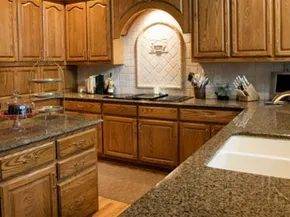
If you are staring at your kitchen counters wondering if they are made of actual Formica or just generic laminate, you are not alone. The name has become synonymous with the material itself. But before you grab a can of paint or a repair kit, you need to understand what you are actually working with. It wasn’t always for surfaces. It started as electrical insulation.
The History Behind the Surface
Formica wasn’t invented for kitchens. In 1913, the Formica Corporation created it as a replacement for mica in electrical insulation. Early products were focused on electric motors. They made V-rings. It was industrial work.
The shift to surfaces came later. By 1927, the company patented a barrier sheet. This was the seed for the laminate revolution. It took another decade for the brand to catch on. By 1937, Formica was making tabletops and countertops. The material was so durable and distinct that it ended up on the walls of the Queen Mary ocean liner.
World War II changed production again. The company pivoted back to its electrical roots. They made burster tubes for bombs and Pregwood airplane propellers. Production peaked during the war.
From Factories to Homes
The 1950s changed everything. Formica laminates became mainstream. They were bold. They were bright. You saw them in new homes. You saw them in passenger train cars. Everyone wanted that specific look. It was clean. It was modern.
The 1960s and 1970s introduced even more textures and colors. The material evolved with the times. Today, Formica continues to update its offerings to match current trends.
Formica started as insulation for wires. It evolved into one of the most widely used surface materials in the world. Understanding this history helps you treat the material correctly. You aren’t just painting plastic. You are working with a layered composite that has a specific structure.
In the next sections, we will break down how these laminate countertops are actually made. Then we will get into the practical stuff. How do you repair chipped edges? How do you paint Formica so it doesn’t peel off after a week? We will cover customization options that let you match the surface to your specific taste.
The goal is to keep your counters looking good without tearing them out. Laminate is cost-effective. It is easy to clean. But it can be damaged. Knowing how to fix it saves you money.
“Formica started as insulation and evolved into one of the most widely used materials in the world.”
Why Repair Over Replace?
Many homeowners see a chip and think replace. But laminate repair is often cheaper and faster. It requires less mess. You don’t need to demo cabinets. You don’t need to measure for new slabs. You just need the right materials.
The process starts with understanding the layers. The top is a wear layer. The middle is the decorative print. The base is paper or fiberboard. Paint adheres differently to this surface than wood does. You need the right primer. You need the right topcoat.
We will walk through the steps. You will see that it is not as hard as it looks. The key is preparation. Clean the surface. Sand it lightly.