
Picture a place where every meal is free, the beds are plush, and there is zero rent. You would move in immediately. That is exactly what an ant, a stinkbug, or a cricket thinks when it finds its way into your kitchen.
You might feel a pang of sympathy for these tiny creatures enjoying their brief earthly vacation. But you are not handing over the deed to your house. Insects introduce germs. A trail of ants near the back door is not a charming welcome for dinner guests. And for families with small children, crawling bugs are a recipe for panic.
The strategy is simple. Stop them before they cross the threshold. Any gap that lets in light, air, or rain is a potential door for pests. Here is how to seal your home against invasion.
Seal the Entry Points
You need to physically block the path. Insects are small, but they are also persistent. They will squeeze through gaps the size of a dime.
- Caulk everything. Run a bead of silicone caulk around window frames, where plumbing pipes enter the wall, around dryer vents, and near air conditioning units.
- Fix the exterior. Repair cracks in mortar and gaps in siding. If your siding is loose, wind can push it open, creating a highway for bugs.
- Install door sweeps. If your front door has a gap at the bottom, air blows out and bugs blow in. A simple sweep closes that loop.
- Screen the windows. Use fine mesh screens. Standard screens keep out mosquitoes, but a tighter weave keeps out gnats and smaller ants.
How do you know if your sealing effort worked? Watch the corners of your baseboards. If dust or dirt accumulates there in a specific pattern, you have a draft. You likely have a bug entrance too.
Natural Bug Repellent Strategies
Chemical sprays work, but they often leave a residue or a smell you want to avoid indoors. Natural repellents offer a different approach. They rely on scent and biology rather than toxicity.
Plants with strong aromas are your first line of defense. Mint and rosemary repel insects. They also make great garnishes for your summer drinks. Lemongrass and geraniums contain citronella oil. Bugs hate the smell. Plant them around your foundation or keep potted versions on your porch.
Consider integrated pest management. This means using nature’s predators to keep populations in check. Birds are natural insect eaters. Sparrows, cardinals, and chickadees will tear apart a yard if you give them reason to stay. Put out suet cakes. In hot weather, choose summer blends that won’t melt into a greasy mess. Build a birdhouse. It attracts them and keeps them nearby.
Spiders, bats, and geckos are also allies. A single house gecko can consume more insects in a night than a standard spray bottle can kill in an hour. Let them hunt. Just don’t let them hunt your guests.
DIY Traps and Barriers
Sometimes you need to kill the intruders directly. If you are okay with handling the cleanup, borax works well. Mix equal parts borax and sugar. Place it where ants gather. The sugar attracts them. The borax kills them slowly. This is the key. They carry the poison back to the colony. You wipe out the nest, not just the scout.
Diatomaceous earth is another option. You can buy this in gardening stores. It is made of fossilized algae shells. The microscopic edges cut through the exoskeletons of insects. It kills them by drying them out. Sprinkle it in cracks and along baseboards. It is safe for humans and pets if you avoid breathing the dust.
For box elders and Japanese beetles, a mix of liquid dishwashing detergent and water works. Spray the solution on the bugs. The detergent breaks down their outer layer. Do not spray this on your plants. Detergent will damage foliage. Target the pests only.
The Pet Connection
Bugs do not always find their own way in. Sometimes they hitchhike.
Pets are the most common carriers. Cats and dogs can bring fleas and ticks inside. Once those bloodsuckers are in your carpet, they are nearly impossible to remove completely. The eggs hide deep in the fibers. They hatch weeks later.
Prevention is cheaper than eradication. Ask your veterinarian about flea and tick prevention before the warm weather hits. Some treatments require a lead time. Topical medications and

Starve the invaders
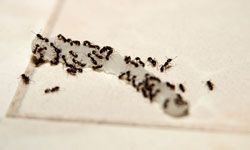
When these pests get their way, your home becomes an unappealing buffet. Insects thrive on access, so you need to cut off the supply line. Empty the trash regularly. Don’t let it sit. Wipe the counter after every meal, even if it’s just a sandwich.
Food storage is not only about freshness. It’s an barrier. Use tightly sealed plastic, metal or glass containers. Cardboard boxes? Throw them out. They absorb odors and provide a crumbling hiding place.
And you leave the dishes in the sink? No. Cockroaches are nocturnal. They wait for the lights to go out. Dirty plates left overnight are basically an all-you-can-eat sign. Clean immediately.
Dry and dark
Most insects do not want sunlight. They want moist, warm and hidden. You need to break this cycle. Fix leaking pipes under sinks. Clean out clogged gutters to prevent water from pooling around the foundation.
Ventilation is important in dark corners. Attics. Crawl spaces. Keep the air moving. Stagnant humidity causes problems.
Store firewood and landscaping bricks away from the house. Not directly on the siding. Give them space. Check cardboard, wood and bamboo items before they cross your doorstep. These materials don’t just transport insects. They feed them. Beetles and borers love untreated wood. Cockroaches eat cardboard glue.
More to discover
If you still find them, the problem may be deeper. Further action still needs to be taken. More detailed information on the next page.