Cheap dimmer switches often emit a low, annoying hum. It is not just in your head. The noise comes from vibrations inside the light bulb itself. You might not see the movement, but the filament is shaking.
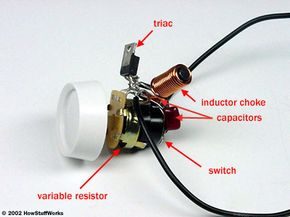
The root cause lies in how these cheap switches operate. They use a component called a triac to control power. This device cuts the electrical current into rough, chopped-up segments rather than letting it flow smoothly. When that erratic current hits the bulb, things get weird.
The Science of the Buzz
Think about how a light bulb works. Inside, you have a filament. It is essentially a coiled length of wire. When electricity flows through any wire coil, it creates a magnetic field. If the current fluctuates, that magnetic field fluctuates too.
With standard AC power, the current waves up and down gradually. The magnetic field follows suit. It is a smooth, rhythmic dance.
Dimmer switches change the game. A triac switch turns on and off rapidly. This causes sudden, sharp jumps in voltage. These abrupt changes create an abruptly shifting magnetic field. The filament feels this pull and repulsion instantly. It is being yanked toward and away from the metal arms holding it in place.
This rapid vibration creates the buzzing sound you hear. It also generates weak radio signals. You might notice static on a nearby radio or interference on a TV screen. That is the side effect of that erratic magnetic field.
Better Hardware Stops the Noise
You do not have to live with the buzz. Higher quality dimmer switches include extra components to silence the effect. They add stability to the circuit.
Most reliable dimmers include an inductor choke. This is a length of wire wrapped around an iron core. They also often add an interference capacitor. Both devices store electrical charge temporarily. They release it later.
Think of them as buffers. They take the sharp voltage jumps caused by the triac and smooth them out. The result is a steadier current. The filament stops vibrating as violently. The buzzing stops. Radio interference disappears.
The Autotransformer Alternative
Some dimmers avoid the triac entirely. High-end models, like those used in stage lighting, use an autotransformer. This device dims lights by stepping down the voltage flowing to the circuit.
A movable tap on the transformer adjusts this step-down action. It changes the light level physically. Because it does not chop up the AC current, it does not cause the same buzzing. The current remains clean. The filament stays still.
Other Types of Dimmers
The market offers various other styles. You might encounter touchpad dimmers. These use capacitive touch sensors. You might see photoelectric dimmers. These monitor the total light level in a room and adjust automatically.
Despite their different interfaces, most rely on the same basic principle. They chop up AC current to reduce total energy. It is a simple idea. The execution determines whether your home is quiet or noisy.
DIY Considerations
If you are planning a renovation, this matters. Cheap switches save money upfront but cost you in comfort and interference. Look for dimmers with inductive and capacitive filtering.
When selecting a new dimmer, check the specifications. Ensure it matches your bulb type. LED bulbs often require specific dimmer profiles. Using the wrong combination can lead to flickering or louder buzzing.
Safety is key during installation. Always turn off the breaker before touching wires. Use a voltage tester to confirm power is dead. If you are unsure about wiring an autotransformer or a complex triac circuit, hire a licensed electrician.
The difference between a hum and silence is often just a few extra components in the switch. It is worth the extra cost for a peaceful home.