Eles não comem você.
Eles comem sua casa.
Tecnicamente, eles o esvaziam. Para morar lá. To make their families comfortable while your structural integrity crumbles into dust. Ed Dolshun conhece essa dor. He runs the technical side at Catchmaster, so he spends his day watching people ignore the warnings until their baseboards disintegrate.
Aqui está o que acontece quando você os deixa ficar. And how to kick them out before they cost you thousands.
###
O dano não é comida
“Carpenter ants can cause significant structuraldamage to your home through costlywood destruction” — Ed Dolshun
Eles não são cupins. Essa distinção é importante.
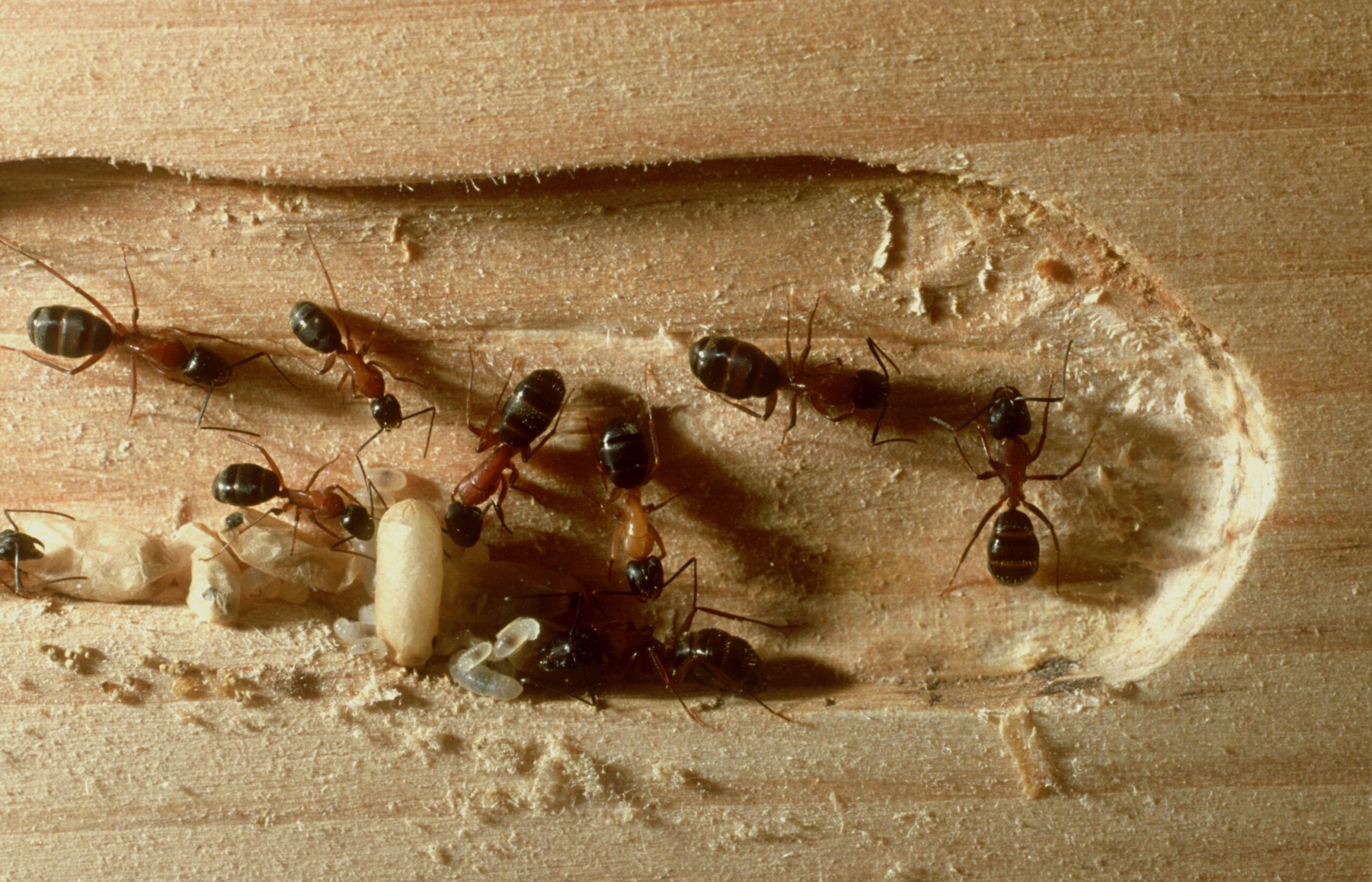
Os cupins mastigam a celulose. As formigas carpinteiras apenas cavam. Eles esculpem galerias em vigas. Enquadramento. Os ossos escondidos da sua casa.
Dolshun diz que os danos aumentam. Rápido. If you see one, you aren’t just looking at a bug problem. You’re looking at a repair bill that keeps growing while you wait to decide what to do.
A vigilância ajuda. Mas principalmente? Apenas tire-os de lá. Agora.
Cinco sinais de que eles já estão lá dentro
Rastreadores Noturnos
Você não os verá ao meio-dia.
As formigas carpinteiras trabalham no turno da noite. If you’re wandering around your kitchen at 10 PM and see a line of black insects marching with purpose? São eles.
They’re bigger than the tiny stuff you squish under your door seal. Pense em meia polegada. Aproximadamente do tamanho da unha do polegar. Suas cabeças parecem em formato de coração. O tórax? Suave.
O confete de madeira
Você encontra o cocô.
Ou melhor, os escombros. Dolshun chama isso de besteira. Parece serragem. Like someone ran a planer along your doorframe and forgot to vacuum.
Verifique os peitoris das janelas. A lareira. Sob os armários. If you see piles of sawdust and dead ants together, you’re not imagining things. As formigas estão escavando sua casa. Deixando o lixo para trás para você tropeçar.
Verifique também lá fora. Árvores mortas? Tocos? If the ants have tunnels in the timber in your yard, they’ll treat your porch like an annex.
###
Asas são ruins
Você vê uma formiga. Tem asas.
Correr.
Na verdade. Mas investigue imediatamente.
As formigas aladas são enxames reprodutivos. They’re leaving the nest to start a new colony somewhere else. Muitas vezes? Em algum lugar mais perto de você.
Eles são maiores. Marrom, preto ou avermelhado. Cerca de cinco oitavos de polegada. Here is how you tell them apart from termites, which also have wings but look totally different: carpenter ants have bent antennae. Their front wings are huge compared to the tiny rear pair.
Termites have straight antennae and four equal-sized wings.
Então, quais estão no seu corredor?
If they’re bent-antennae giants with mismatched wings, you have carpenter ants.
###
Noises in the Walls
Noites tranquilas tornam-se barulhentas.
Ouça com atenção. Quando a casa se acomoda, ouve um arranhão? Um leve estalo?
Não são canos.
É a colônia roendo. Eles se movem entre a estrutura e o isolamento. If the sound stops when you thump the wall, that’s a classic sign. A vibração os assusta.
Madeira úmida os chama
A umidade os atrai como um farol.
A madeira podre é macia. Fácil de esculpir. If your roof leaked last winter and the siding warped, the wood behind it is likely spongey.
This invites them in. Or maybe you had water damage, the ants moved into the moist timber, and now the wood is decaying faster because of them. É um ciclo de feedback.
Às vezes as formigas não são o problema. Eles são apenas o sintoma. Um vazamento. Uma falha de ventilação. Fix the bugs, and you still might have a house that needs drying out.
###
Como tirá-los
Você pode fazer você mesmo?
Talvez. Se você pegá-los cedo. Dolshun sugere encontrar a trilha. Placing carpenter ant bait right on the line. O veneno se move lentamente. Os trabalhadores levam para casa. Isso mata a rainha eventualmente.
Selar rachaduras nas janelas. Fundações. Portas.
Mas seja honesto consigo mesmo.
Essas pragas são complicadas. Eles se aninham dentro de paredes que você não consegue ver. DIY often fails because you treat the symptom, not the source. If you know they are in the walls, you don’t have time for guesswork.
Chame um exterminador.
“Noticing any number ofwinged ants isanother huge red flag” — Ed Dolshun
Eles têm ferramentas que você não tem. Conhecimento que você provavelmente não tem. And the willpower to drill holes in your baseboards so the poison gets where it needs to go.
The last thing you want is a DIY solution that lasts three weeks before they return. Mais agressivo. Mais enraizado.
Então procure o lixo. Ouça as paredes. Then pay the pro before your floor joists decide they want to become sawdust.