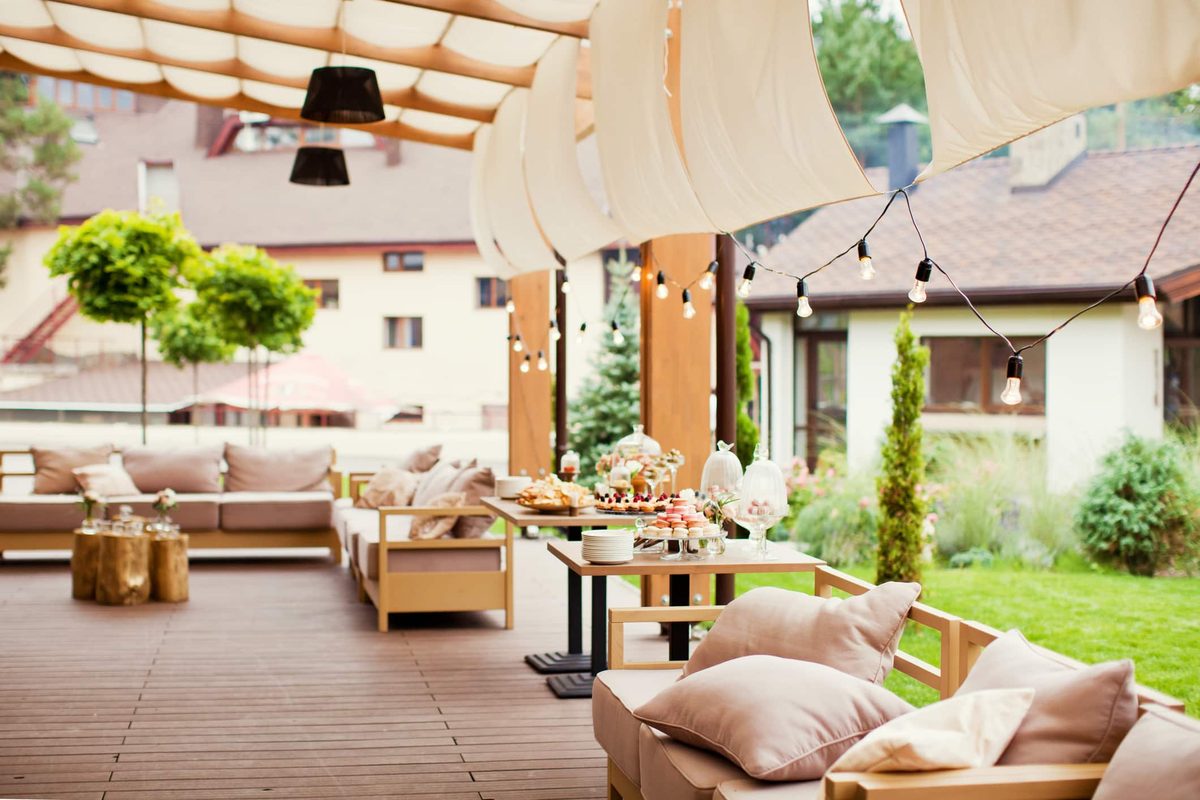
Spring is finally here. The sun is out. Your deck or patio is suddenly the most important room in the house. You’re drinking your morning coffee there. You’re hosting dinner parties until late. You’re trying to grow herbs. You’re just trying to relax.
But making that outdoor space look good usually costs a fortune. You want it to feel warm. You want it to look inviting. You definitely don’t want to blow your entire renovation budget on it.
What if the secret to a cozy atmosphere costs less than ten bucks?
That’s right. You don’t need expensive pergolas or expensive furniture. You don’t need to hire a landscape architect. You might just need a simple accessory. One small item. Under €8.
The power of cheap lighting
Lighting changes everything. It’s not just about seeing; it’s about feeling. Harsh overhead lights kill the mood. They feel clinical. They feel like a parking lot.
Soft, warm light creates intimacy. It makes a small corner feel like a secret garden. It turns a plain wooden deck into a retreat.
What you need
You don’t need special tools. You don’t need a drill. You don’t need electricity installed in the ceiling.
Here is what you actually need:
- String lights or fairy lights. Look for warm white, not cool blue.
- Solar-powered options. They charge during the day and glow at night. Zero wiring.
- Clips or zip ties. To hang them where you want.
- A power source. For solar, just direct sunlight. For battery-operated, just AA batteries.
Where to hang them
This is the tricky part. Most people just drape them everywhere. That looks messy. That looks lazy.
Try these specific spots:
- Overhead. Between two trees. Between two posts. Create a canopy. It feels like an outdoor room.
- Along the railing. Run them horizontally. It defines the edge of your space.
- In the ground. Stick solar lanterns into planters. Not just hanging. Ground-level glow.
Why this works on a budget
Most terrace makeovers fail because people start with big purchases. A new sofa. A new table. Those items are heavy. They are expensive. If you move, you take them. If you hate them, you’re stuck.
Small lighting fixes are reversible. They are cheap. If you don’t like them next year, you buy different ones.
You can test the vibe without committing.
Safety first
Even cheap items need care.
- Check the rating. Make sure the lights are labeled IP44 or higher for water resistance. Rain happens.
- Don’t overload sockets. If you’re using wired lights, stick to one extension cord per outlet.
- Secure the lines. Loose wires are tripping hazards. Use stakes or clips. Don’t let them drag on the ground where people walk.
The result
For less than the price of a takeout dinner, you get a transformation. The space feels bigger. It feels safer. It feels like a place you actually want to spend time.
You can upgrade later. Add a rug. Add a few plants. Add a side table
Acacia Tile Installation on a Budget
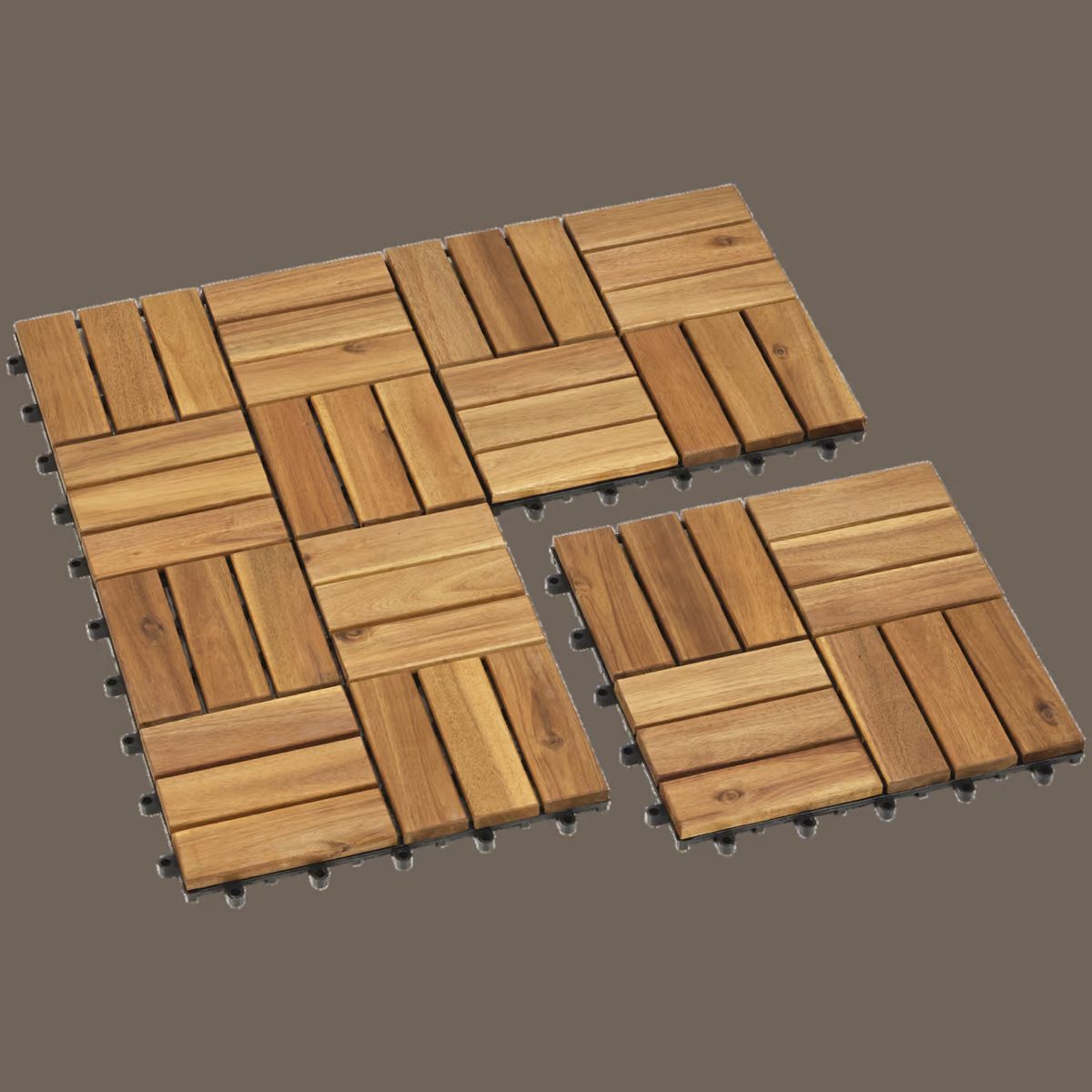
Most people assume covering a balcony or patio requires a contractor, heavy tools, and a budget that makes them hesitate. That assumption is wrong. The trend right now involves modular wood tiles, specifically acacia, sold in packs of four for roughly €7.49.
It sounds too good to be true. But the result is immediate aesthetic upgrade. You get warm wood tones and natural texture without the dust of demolition.
Why Acacia Works for Outdoor Floors
Acacia isn’t just pretty. It’s technically superior to many softwoods used in DIY projects. The material is dense. It resists moisture. Mold and insects struggle to penetrate it.
Unlike pine or cedar, which warp or rot under sun and rain, acacia holds its shape. This durability makes it a practical choice for outdoor wood tile installation. You aren’t just buying decor; you’re buying a surface that survives weather.
The wood is FSC® certified. This matters if you care about sustainable sourcing. It ensures the timber comes from responsibly managed forests. You can install your floor with a clear conscience.
The Click-Lock System (No Tools Required)
The real magic is in the connection mechanism. These aren’t loose planks. They use a clip-lock system.
Think of it as a large-scale puzzle.
1. Place the first tile on your existing surface.
2. Align the next tile’s edge with the first.
3. Press down or click it into place.
No glue. No nails. No power tools.
This works on concrete, old ceramic tiles, or uneven bases. The tiles float over whatever is below. This flexibility is key for balcony makeover on a budget. You don’t need to prep the substrate perfectly, just ensure it’s clean and relatively flat.
Installation Steps for a DIYer
You can do this yourself in an afternoon. Here is the practical breakdown:
- Clear the area. Remove furniture and debris.
- Clean the base. Sweep away dirt. A damp mop helps if there’s grime.
- Plan your pattern. You can go straight, staggered (brick pattern), or herringbone. The 31 x 31 cm square format allows for various designs.
- Lay the tiles. Start in a corner. Snap the clips together.
- Trim edges. If you need to fit tiles against a wall, use a handsaw or utility knife to cut them to size. The acacia wood cuts easily.
This approach eliminates the need for professional installation services. You save on labor costs entirely.
Maintenance and Longevity
Don’t expect zero maintenance. Wood is organic. It reacts to the environment.
- Regular cleaning. Sweep off leaves and dirt. Rinse with water.
- Deep clean. Use mild soap for stains. Avoid harsh chemicals that strip the wood’s natural oils.
- Refresh the finish. Once a year, apply a wood oil or sealant. This restores color and enhances water resistance.
If one tile gets damaged—say, from a falling heavy object—you can pry it up and replace just that piece. The modular design allows for easy replacement of damaged floor tiles. You don’t need to redo the whole floor.
Cost Breakdown
Let’s look at the math.
A pack of four tiles covers about 0.38 m².
For a small 3 m² balcony, you need roughly 8 packs.
8 packs x €7.49 = €59.92.
Even for a 4 m² space, you’re looking at under €75. Compare this to:
– Professional installation of composite decking: €100–€150 per m².
– Natural stone pavers: High material cost plus labor.
– Concrete staining: Messy, permanent, and difficult to DIY correctly.
You’re getting a high-end look for low cost. The aesthetic rivals magazine-quality renovations. The price is fraction of traditional methods.
Where to Buy and What to Watch For
These tiles are frequently featured in discount home stores like Action in Europe. Availability fluctuates. If you see them, act quickly. Stock sells out fast due to the low price point.
Check for warping in the box. Since they are wood, slight curvature can happen during storage. Lay them out before final installation to select the straightest pieces for high-traffic areas.
Final Thoughts on the DIY Approach
This method democratizes outdoor design. You don’t need to be a carpenter. You don’t need a big budget. You just need time and a willingness to click tiles together.
The result is a warm, inviting space. It feels expensive. It performs well in weather. And it cost less than a weekend dinner for two.
Is it permanent? No. But neither is renting. For temporary living spaces or budget-conscious homeowners, it’s a smart pivot. You can rip it up next year if you move. Or you can leave it and enjoy it.
The choice is yours. The tools are in your hand. The tiles are waiting.

The “Sold Out” Phenomenon Explained
It happens every time. The good deals vanish. Acacia wood decking tiles from Action are no exception. They sell out fast. Often before you even finish reading the product description. This is especially true as spring approaches. Demand spikes. Inventory drops to zero.
If you want these specific tiles, you cannot wait. You have two realistic options. Check the availability online first. The Action website usually shows real-time stock levels. If the number is low, head to the store immediately. Physical stock depletes even faster than online reservations. Walking into the store with a cart ready is your best bet. Do not assume they will hold them for you. They will not.
Why Small Changes Yield Big Results
Finding a product that ticks every box is rare. Affordable. Aesthetic. Easy to install. Durable. These acacia tiles manage to hit all four marks simultaneously. They are not just a quick fix. They are a structural upgrade for tired outdoor spaces.
Consider the surface area. A cracked concrete balcony. A dull, stained patio. These tiles cover it all. They hide imperfections. They add warmth. Acacia is naturally resistant to rot and insects. It handles rain, sun, and temperature swings without warping significantly. You do not need special tools. You do not need a professional. You just need a level base and some elbow grease.
The visual shift is immediate. A cold, grey space becomes inviting. A barren corner becomes a reading nook. It does not matter if you have acres of lawn or a tiny city balcony. The scale of the project shrinks, but the impact remains high.
“You don’t need a major renovation to improve your daily mood.”
This is the power of targeted DIY. You are not rebuilding the house. You are refining the experience. A few hundred dollars and an afternoon of work. That is the price of admission for a space you actually want to use.
Is it worth the hassle of hunting down stock? Usually, yes. The return on investment is not just financial. It is psychological. Coming home to a space that looks cared for changes your posture. It changes how you spend your evenings. It is a small thing. But it adds up. The tiles arrive. They click into place. And suddenly, the outside feels like part of the inside.