Your pillowcase might smell like fresh laundry. It looks crisp. It feels like a hotel bed. But underneath that clean cotton barrier, your pillow is holding onto a history you can’t see. Sweat. Sebum. Dust mites. Allergens. These accumulate in the filling, turning what should be a supportive cocoon into a damp, compressed sponge. You won’t notice the grime until the odor hits you. Or the yellowing starts. Or you wake up with a stuffy nose.
There is a protocol for this. It’s fast. It’s practical. And it changes everything about how your bed feels.
The Invisible Accumulation Happening Right Now
Changing your pillowcase weekly does nothing for the core of the pillow. Each night, the internal structure absorbs moisture from your skin. Even if you change the case, the filling acts as a reservoir. It traps humidity. It holds onto body oils. The heat from your head and neck accelerates this process. Because the pillow is compressed under your weight for hours, it dries slowly. Over weeks, the surface might look fine, but the interior is saturated with a tenacious mix of waste products.
This isn’t just about biology. Your pillow is also a trap for environmental pollutants. Dust. Allergens. Particles from the air or your hair. The pillowcase filters some of this, but not all of it. If your pillow is old or the fabric is thin, debris gets inside. It stays trapped. Then, when you toss and turn, those particles are redistributed into your breathing zone.
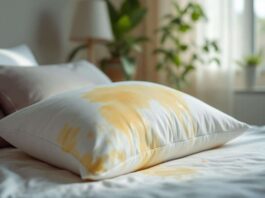
You might ignore the signs until they become undeniable. Look for yellow stains. They aren’t just from age. They signal oils and moisture migrating to the surface. Smell the pillow after a few hours. A “warm,” stale odor means the filling isn’t drying out properly. Feel the loft. If it’s flat or lumpy, the filling has clumped. This isn’t just a comfort issue. It’s a hygiene crisis that requires intervention.
Why Skipping the Wash Ruins Your Hygiene Efforts
Putting a fresh pillowcase on a dirty pillow creates an “sponge effect.” Moisture and residues from the core migrate into the new fabric. The case gets contaminated faster. You wash more often. The cycle repeats. You’re cleaning the surface while ignoring the source. It’s like wiping a table without cleaning the placemat underneath. Nothing stays fresh.
When you actually clean the pillow, the benefits are immediate. The air in the bedroom smells neutral. Your linens stay whiter longer. But the health implications are more significant. A dirty pillow can trigger daily issues. Congestion. Irritated eyes. Reactive skin. Your face spends hours on that surface. If it’s covered in allergens and old oils, it exacerbates existing rhinitis or makes your skin feel congested.
Skipping the wash also shortens the lifespan of the pillow. A soiled filling deforms quickly. The fibers or down clump together. The pillow loses its rebound. It takes the shape of your head rather than supporting your neck. Proper cleaning restores volume. It prevents premature wear. It saves you money on replacements. And it reduces waste. A well-washed pillow feels like it’s been aired out in the sun—but with actual hygiene restored.
Identifying the Right Cleaning Method
Not all pillows are created equal. Washing a down pillow requires a different approach than washing memory foam. Using the wrong method can ruin the filling permanently. The first step is checking the care label. It tells you if the pillow is machine washable, hand washable, or dry clean only.
Synthetic pillows are generally the easiest to clean. They can usually withstand a gentle machine cycle. You need a front-loading washer if possible. Top-loaders with agitators can tear the seams. Use a mild detergent. Avoid bleach. It breaks down fibers. Add two tennis balls to the drum to help fluff the filling during the wash.
Down and feather pillows require extra care. They clump easily if not dried properly. Use a gentle cycle with warm water. Ensure the pillow is thoroughly rinsed. Soap residue attracts more dirt. You may need to run an extra rinse cycle.
Memory foam and latex pillows cannot be machine washed. Water destroys the cellular structure. You cannot soak them. Instead, spot clean stains with a damp cloth and mild soap. Vacuum the surface to remove dust mites and debris. These materials need air circulation, not immersion.
Preparing for the Wash
Before the pillow hits the water, prepare it. Shake it vigorously to loosen the filling. This prevents clumping during the wash. Check for tears or open seams. Repair them with a needle and thread. Water will seep through holes and create uneven saturation.
If the pillow has strong odors, pre-treat it. Sprinkle baking soda over the surface. Let it sit for an hour. Vacuum it off. This absorbs moisture and neutralizes smells before the wash begins.
Load the washer. Do not overload the machine. The pillow needs room to move. If you have two pillows, wash them together. This balances the load. It prevents the drum from wobbling. Add your detergent. Choose a formula for delicate fabrics. Skip fabric softener. It coats fibers and reduces breathability. It traps moisture instead of letting it evaporate.
Start the cycle on gentle. Use cold or warm water, not hot. High heat can damage fillings. Once the wash is complete, the real work begins. Drying is where most people fail.
Most people wash their pillows wrong. They toss them in with the sheets, run a quick cycle, and hang them on a line. That is how you end up with a lumpy, smelly mess that ruins sleep. The fix is specific. It requires discipline.
Start with inspection. Look at the care label. Does it say machine washable? If the cover is fraying, stitch it closed or use a mesh laundry bag. Don’t skip this. A torn pillowcase in the wash is a disaster waiting to happen. Check for stains. Apply a drop of liquid detergent directly to the spot. Rub it gently. You want to loosen the grime, not soak the fabric. This prep work matters. Especially for light-colored pillows that turn yellow if you ignore them.
The Wash Cycle Rules
The machine setting is where most errors happen. Machine wash pillows at 40°C. This temperature is the sweet spot. It cleans effectively without damaging the foam or fiber fill. Use a moderate amount of detergent. Too much soap leaves residue. That residue makes the pillow feel stiff and attracts more dust later.
Balance the load. Washing a single pillow creates an unbalanced drum spin. If your machine allows it, wash two pillows at once. The weight stabilizes the drum. It ensures better agitation. Avoid short cycles. They don’t penetrate deep enough. You need a full standard wash.
If the pillow is thick, the spin cycle is critical but must be gentle. High-speed spins can crush the internal structure. You want to remove water, not break the filling. The goal is cleaning, not destruction.
Why Double Rinsing Changes Everything
This is the step that separates a clean pillow from a dirty one. You need a double rinse cycle. A single rinse often leaves detergent trapped in the deep layers of the filling. This residue hardens as it dries. It creates a “cardboard” effect. The pillow loses its loft. It feels scratchy.
A second rinse flushes out the remaining soap, dirt particles, and allergens. It ensures the fibers stay soft. If your machine has a specific rinse option, use it. If not, manually add a rinse/spin cycle at the end. It takes two extra minutes. The result is a pillow that feels genuinely fresh, not just damp.
The Drying Process: Moisture is the Enemy
Washing is only half the battle. Drying is where pillows fail. Air drying sounds natural but often fails. Moisture gets trapped in the center of thick pillows. This leads to mildew. It causes that musty, closed-up smell. You undo all the work of washing if the core stays wet.
Use a tumble dryer. It provides the heat and airflow needed to reach the center of the filling. Select a delicate or synthetic cycle. Low heat is safer. High heat can melt synthetic fills or scorch natural fibers. It is better to run the dryer longer than to risk damage.
Add dryer balls. These are not optional if you want a fluffy result. They bounce around, hitting the pillow. This action breaks up clumps of filling. It separates the fibers. It speeds up drying. Clean tennis balls work in a pinch, but dedicated dryer balls are quieter and more durable. The pillow comes out voluminous. It feels uniform.
Final Verification Steps
Do not put the pillow back on the bed until you are sure. Feel the pillow thoroughly. Check the center. Feel near the seams. If it feels cool to the touch, it is still damp. Heat can mask moisture. Let the pillow cool down after the cycle. Then feel it again. Cold air reveals hidden dampness.
If you detect any moisture, add more time to the dryer. Do not rush this. A slightly damp pillow will smell bad within a week. A fully dry pillow lasts for years.
The protocol is simple but rigid:
1. Pre-treat stains and secure the cover.
2. Wash two at a time at 40°C.
3. Use a double rinse cycle.
4. Dry completely with dryer balls.
5. Cool down and re-check for dampness.
There is no shortcut. The pillow will tell you if you cut corners. Listen to it.
The Maintenance Rhythm: Keeping a Healthy Pillow Routine on Autopilot
You don’t need a complex calendar to keep your bedding sanitary. You need a simple, repeatable cycle. It’s about layering barriers. You wash the pillowcases weekly. You clean the pillows themselves several times a year. You treat the protectors in between. The logic is straightforward: more washable layers mean less moisture and debris sink deep into the core of the pillow.
Here is a practical baseline. Adjust it if you sweat heavily, have allergies, or share the bed with pets.
- Pillowcases: Wash every week. If you have reactive skin or break out easily, do it twice a week.
- Pillow Protectors: Wash every three to four weeks. These are your primary defense.
- Pillows: Every three to six months. This depends on the fill material, how often you use it, and whether it retains odor.
To save time, build in low-effort habits. Air out the bedroom every single day. Shake the pillow vigorously to redistribute the filling. This prevents clumping and keeps the loft even. Ensure your pillow protector is fully zipped. A gap lets sweat bypass the filter and soak into the pillow core.
Batch your laundry. Instead of running tiny, inefficient cycles, wash your sheets, protectors, and pillows on the same day. You “reset” the entire bed in one go. This reduces mental load. You stop waiting for visible stains or bad smells to trigger action. You just maintain. A pillow that is cared for regularly stays neutral-smelling and supportive. You feel that difference the moment your head hits the pillow.
When to Replace vs. Repair
No amount of washing fixes a broken support system. You must know when to throw it out. Don’t stubbornly keep using a pillow that has lost its structural integrity.
Replace your pillow if:
* It no longer bounces back after you fold it in half.
* Persistent lumps remain even after shaking and fluffing.
* The cover fabric is thinning or tearing.
* Odor returns immediately after washing and drying.
When the filling fails, the pillow stops doing its job. Quality sleep requires reliable support. If the volume collapses or the material stays compressed, the internal foam or fiber is at the end of its life. Maintenance extends lifespan. It does not create miracles.
Ask yourself this: Is the pillow clean, or just superficially clean? A pillow can look fresh on the outside but harbor deep-seated allergens or moisture deep in the core. That’s a silent comfort killer.
The Final Step: Proper Washing and Drying
A healthy bed isn’t just about fresh sheets. The pillow is the hidden engine of hygiene. It absorbs sweat, drool, and dead skin. If you don’t clean it properly, you’re just spreading it around.
The most effective method for most synthetic and down pillows is specific. Use a wash at 40 degrees Celsius with a double rinse. The double rinse is non-negotiable. Detergent residue attracts dirt faster than skin cells do. You want every trace of soap gone.
Then, dry it completely. Use a dryer on low heat. Add clean tennis balls or dryer balls. They beat the pillow as it spins. This breaks up clumps. It restores the fluff. It ensures no damp pockets remain where mold could grow.
The difference is immediate. The smell becomes neutral. The comfort feels consistent. The sense of cleanliness lasts longer. You feel it in your neck support. You feel it in your breath.
There is one final check to keep in mind. Next time you strip the bed for laundry, pause. Look at that fresh, crisp pillowcase. Now look at the pillow underneath it. Is that pillow actually ready for the next week? Or is it just waiting for its turn to be replaced?