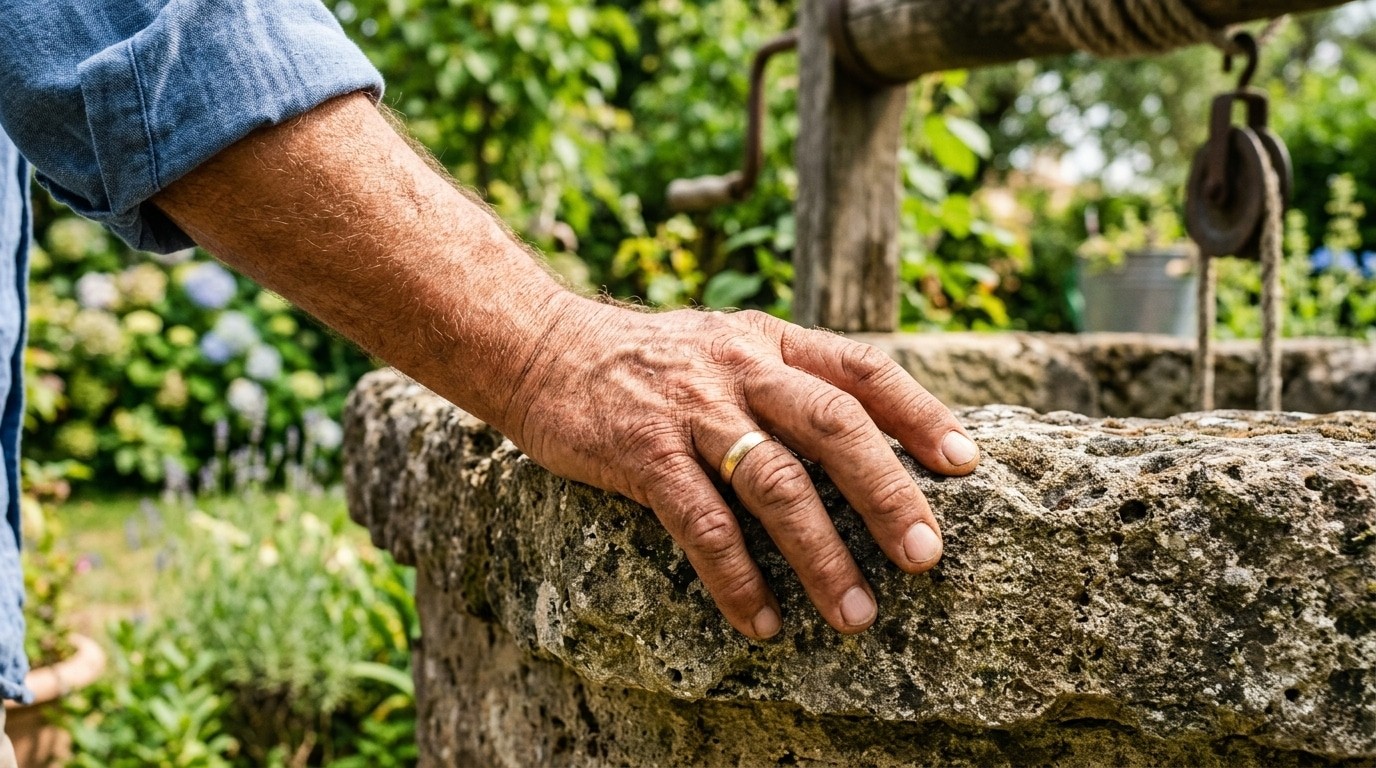
The heat of summer is here. The grass is fragile. The flowers are hanging. You look at your private well and think, “This is my water. I dug it. I own it.”
Think again.
There are significant legal and ecological differences between owning the surface land and owning the groundwater beneath it. In France, building a well on your own land is like buying complete independence. This is not true. You are taking advantage of a shared and sensitive resource that is currently under great stress.
The reality of shared aquifers
Digging for water creates a false sense of security. You are not isolated. You are part of a larger hydrological system.
During severe heat waves, the groundwater level can drop to a dangerous level. Every liter you pump into your lawn or potted plants affects the wider ecosystem. It affects agricultural land nearby. It affects the city’s supply lines. It affects the health of the entire area.
The luxury of your garden is directly related to the survival of your local ecosystem. Ignoring this connection is a gamble with serious consequences.
Things prohibited by the prefecture/municipality
If the weather is too hot, local authorities will intervene. This is not a suggestion. This is the law.
When a drought alert (alerte sécheresse ) is issued, county or city ordinances may by law prohibit you from taking water from a private well to water your garden.
The priorities were clear. The safety of public drinking water came before decorative landscaping.
Violators face heavy fines. These enforcement powers are not theoretical. These are proactive enforcement tools to protect water resources. You can’t argue with the drought order.
How to protect your garden without breaking the law
Anticipating limits is the best defense. Don’t wait for the ban to take effect. Start your preparation now.
Invest in high-quality organic mulch. These materials are available from stores such as Leroy Merlin, Jardiland and Botanic. Mulching is not just about looks. It locks in moisture.
Here are the basic steps to keep plants alive during a heat wave without violating water usage bans:
- Install a large rainwater tank. Water is collected during the rainy season. Store it for dry spells.
- Choose drought-tolerant plant varieties. Heritage species require less water. Built to suit the local climate.
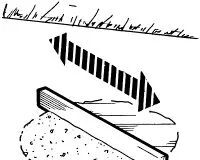
- **Hoe the soil regularly. Break up the surface crust. This prevents the water from evaporating too quickly.
These methods create resilient plantings. They save your wallet. They protect underground reserves.
Conclusion
The use of private wells for watering beds is not exempt from drought restrictions. The authorities can and do issue bans when water levels are low.
Protecting the public water supply requires gardeners to adopt responsible practices. It combines economic sense with sustainable horticulture.
Rethinking outdoor space management is no longer an option. This is essential. The climate is changing. Laws are constantly evolving. Your garden will have to adapt or suffer.
The heat will return. The laws will tighten. Are your techniques ready for the next dry summer?