Thanks to VCRs and Formica in the 1980s. This plastic laminate was originally created as an electrical insulating material. The same property of keeping the electric current inside the channel allows it to withstand the heat of a hot pot. It has been overdue for some time. Now I’m back. It is a cheaper alternative to granite. This means you have to know how to take care of it. Here are 5 ways to remove stains from Formica.
5:肥皂和水
福米卡的核心是压制纸。 如果有色液体放置太久,可能会弄脏它。 较旧的柜台可能会随着时间的推移而泛黄。 你应该更换那些。 对于其他污渍,请先使用肥皂和水。 福米卡很容易被划伤。 使用液体肥皂和温水。 让它静置十分钟。 把它擦干净。 您可能会对表面的变色程度感到惊讶。
发明福米卡的人从西屋公司支付了 1 美元。 这是员工发明的标准工资。
4:浸泡它

Formica is essentially pressed paper, meaning it gives a little when it absorbs liquids. This feature will benefit you when removing stains. If there is a stain on it, applying a cleaner to it can effectively remove it. The product you choose depends on how comfortable you are with chemicals, but how it works is simple: Pour the liquid directly onto the mark and leave it there.
Give it at least an hour. More time is better. The stain will likely transfer to the cleaning agent. Then wipe the area with a warm, damp cloth to see the results. If the discoloration persists, repeat the procedure. This is not a one-time solution for deep-seated stains.
The Chemistry of Miracle Paste
This method is based on basic chemistry and not magic. If the stains are resistant to commercial cleaners, make a thick paste of water and powdered cleanser. You don’t need a lot of water – just enough to make a smooth mixture, maybe a few tablespoons depending on the size of the stain.
Apply the paste to the entire stained area. Cover it completely. Allow to dry until a crust forms. This drying process pulls the stain away. Once dry, remove the crust with a warm, damp towel. Be careful here. Dried paste can be abrasive. Rubbing too hard can cause scratches on the surface. Gently wipe off the residue and then wash the area with soap and water. The end result should be a clean, spotless surface.
Formica was originally named to replace mica, a mineral used for electrical insulation.
Baking soda overnight
When it comes to stubborn stains, patience is sometimes the best option. Baking soda is a gentle abrasive and deodorizing agent, making it ideal for nighttime treatment. Mix baking soda with a small amount of water to form a thick paste. Apply liberally to the stain, ensuring full coverage. Leave alone overnight. The longer it works, the more effectively it can remove deep-seated dirt and discoloration. In the morning, wipe off the dried paste with a damp cloth and rinse the area thoroughly.
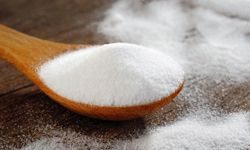
If you’d rather not bathe your kitchen surfaces in harsh chemicals, there is an all-natural route you can take. It requires baking soda, soda water, plastic wrap, and a significant amount of patience. Start by mixing the paste just as you would for a standard scrub, but substitute plain water with carbonated soda water.
Brush this mixture directly onto the stain. Then, cover the area with plastic wrap. Here is the catch: you have to leave it alone for a full 24 hours. Do not peek. When you finally wipe the surface clean with warm water and a washcloth the next day, the stain should be gone. It is a slow process, but it works without stripping the finish.
Dealing with the Unmovable: Nail Polish Remover
Some Formica stains refuse to budge. Grass stains, coffee rings, food dyes, and watermarks are annoying, but manageable. Newsprint and permanent inks? Those are tougher. Hair dye might be a lost cause, but acetone nail polish remover offers a last-ditch hope for the near-impossible.
Only try this method after you have exhausted the gentler options, including that overnight baking soda soak. Dip cotton balls in acetone remover and dab the stain.
Before you go all in, you must test it. Apply a small amount in a hidden corner of your countertop. Wait. If the color changes, stop. You will likely have to live with the stain or accept the damage. If the color holds, proceed. Rub the stain gently, then wash the area thoroughly with soap and warm water to remove any acetone residue.
Acetone is present in the human body in small amounts, typically found in blood and urine.
Common Questions About Laminate Care
People often confuse general terms with specific brands. Laminate and Formica are effectively the same material. Formica is just the brand name for one manufacturer of laminate countertops.
Cleaning laminate is straightforward. A paste of baking soda and water works well because the mild abrasiveness lifts stains without scratching the surface. To restore shine, you can apply a dedicated plastic laminate restoration product.
Rejuvenate is another option. It is safe for almost every type of kitchen and bathroom surface, including Formica. For daily polishing, all-purpose cleaners, liquid dish soap, or Formula 409 are sufficient.
What happens when the stain sinks deeper than the surface layer? That is when you realize the limitations of home remedies.