September hits different. The weather gets cooler, the days get shorter and your garden starts to relax. It’s easy to feel like you’re losing ground. But that’s actually the sweet spot. As the plants prepare for dormancy, the soil awakens to a new cycle.
You don’t need expensive amendments. You don’t have to drag bags of peat to the landfill. You just have to work with what’s already there. The goal here is simple: how to build rich soil fertility in September with simple, low-effort methods.
Why September is a turning point
The heat is gone. The summer drought likely dried out the soil and left it compacted, cracked, or waterlogged. Plants are showing their age. The edges of the leaves are brown. Perennials fade. These are not just signs of deterioration – they are emergency signs.
The ground is hungry. Worms are active below the surface. Microbes are stirring. Nutrients return to the soil from the dying roots. This is a quiet, intense time for recycling. If you intervene now, you are supporting this natural process. If you ignore it, you’ll be dealing with hardened soil and poor drainage all spring.
Cutting to feed the Earth
Trimming isn’t just for shape. It’s for soil health.
When you cut dead stems, tender branches and fading leaves, you collect biomass. Don’t pack it. Don’t throw it away. Cut it and leave it where it falls.
Fine cuts break faster. They form a mat that protects worms and fungi. This is direct feed to the soil web. They feed the organisms that feed your plants. It is effective. It’s lazy in the best possible way. Less hauling. More feeding.
Divide perennials to aerate the soil
September is the best time to divide perennials. Iris. Agapanthus. Mint. Rhubarb.
Pull the clump. Carefully pull the roots apart. Replant the divisions. This gives you more than just free plants. It physically loosens compacted soil. It brings oxygen to the root area. It stimulates new growth, keeping the soil biologically active.
You create space. You’re preventing nutrient depletion in one place. You’re boosting the local ecosystem without a single drop of artificial fertilizer.
Sow green manure for winter protection
The earth needs a blanket. The bare ground wears away. It dries up. It loses structure.
Sow green manure now. Mustard. Phacelia. Clover. Vetch. Rye.
These are not plants for the plate. They are crops for the soil. They fix nitrogen. They structure the soil with their roots. They protect the surface from winter rain.
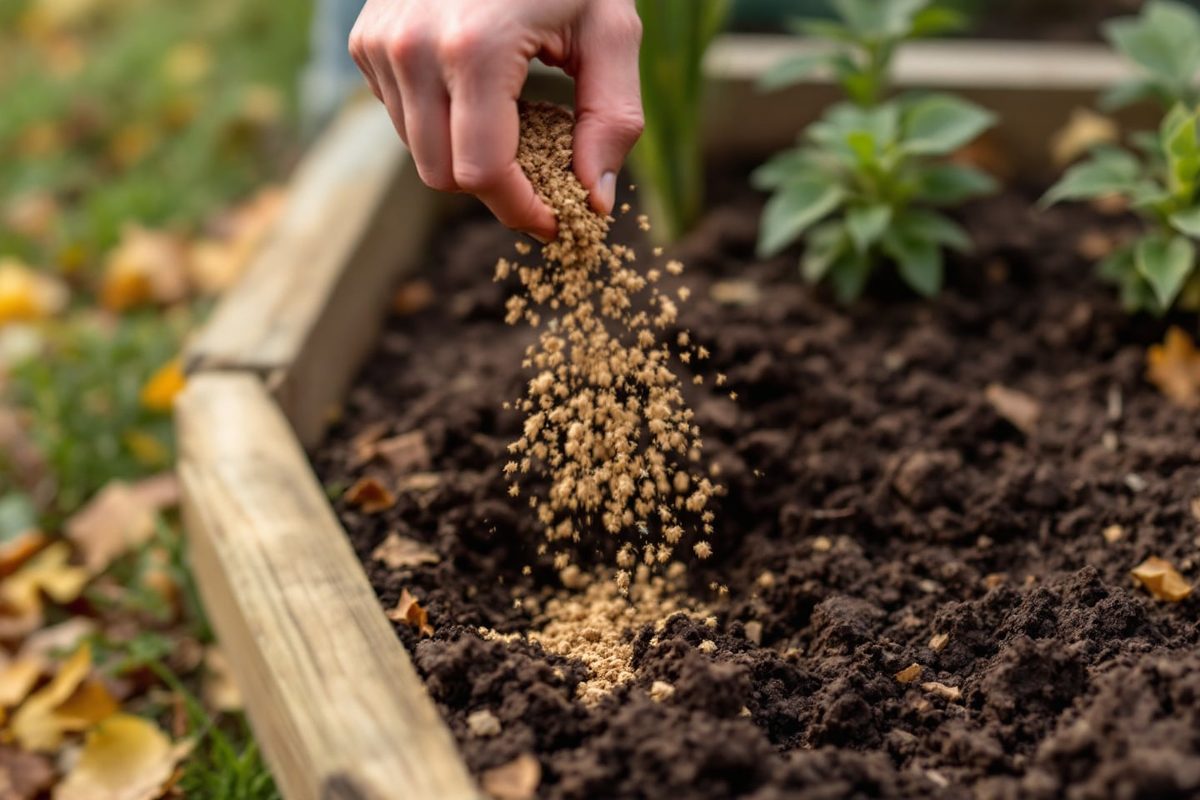
Sprinkle the seeds on lightly raked soil. Push them in with the back of the rake. Water lightly – the autumn rain usually takes over from there. When the frost comes, you have a living carpet. In winter, it dies and adds organic material to the topsoil. Spring planting begins in fertile, structured soil.
Improve soil health without a composter
No space for a trash can? No problem.
You can revitalize soil by using already existing materials.
Mulch is key. Spread dried grass clippings, pine needles, straw or fallen leaves over the beds. This will retain moisture. It suppresses weeds. It slowly decomposes into humus.
Use a liquid fertiliser. Soak the comfrey or nettle in water. Strain. Dilute it. Water your exhausted plants with this ‘plant tea’. It jumpstarts microbial activity.
Sprinkle kitchen scraps. Coffee grounds. Crushed eggshells. vegetable peels. Sprinkle them lightly around the plants. They break down quickly and add trace minerals and organic matter.
These aren’t hacks. They’re fundamentals.
Result
You end up with soil that stores water. Soil that supports life. Soil that does not require constant chemical intervention.
It takes less time than hauling waste. It costs nothing. And the payoff lasts for years.
Start small. Chop the clippings. Divide overgrown irises. Sprinkle mustard seeds on top. See how the soil reacts.
The work is not done when the first frost comes. It’s just the beginning.
Why soil health matters with less work
Now start tilling the soil. September is the time to build a system that works by itself. See how the dirt changes. It becomes softer under the fingers. Earthworms multiply. When spring comes, the harvest comes back strong.
The result is simple. Fewer hours in the garden. Dig less. Almost no weeding. Watering stretches out. The soil does the heavy lifting. You can harvest winter leek or perennial thyme without any trouble. The farm will be self-sufficient.
This routine starts with small actions. Prune. Divide. Sow. The garden survives the winter. It refreshes every season. A single move in September determines the wealth of the whole year. Why wait for January? Get started today with just one step.