The back-to-school rush is here. Nights are short. The heat is still sticking around in your bedroom. When was the last time you actually looked at your pillow?
Most people ignore it. They tuck it under the case like it’s invisible. That’s the mistake.
You think swapping the pillowcase keeps things fresh. It doesn’t. The pillow underneath is collecting sweat, dead skin, saliva, and dust mites. It becomes a hidden breeding ground. Bacteria thrive there. Smells set in. The fluff dies. All without you noticing.
Redeeming your pillow isn’t hard. It just requires a shift in routine. The payoff? Fewer allergies. A bed that breathes. Mornings that don’t start with a sneeze.
You need to know the specific steps to extend the life of your favorite sleep companion. Here is how to do it right.
The Hidden Cost of Neglecting Your Pillow Core
We have a reflex. We wash the pillowcase weekly. We want that crisp, fresh feeling.
But look below the surface.
The pillowcase acts as a shield, not a cure. It traps nothing. Sweat seeps through. Oil from your skin transfers to the fabric inside. Dead skin cells shed into the core. These things are invisible to the naked eye but they accumulate daily.
Inside the pillow, it becomes a nest.
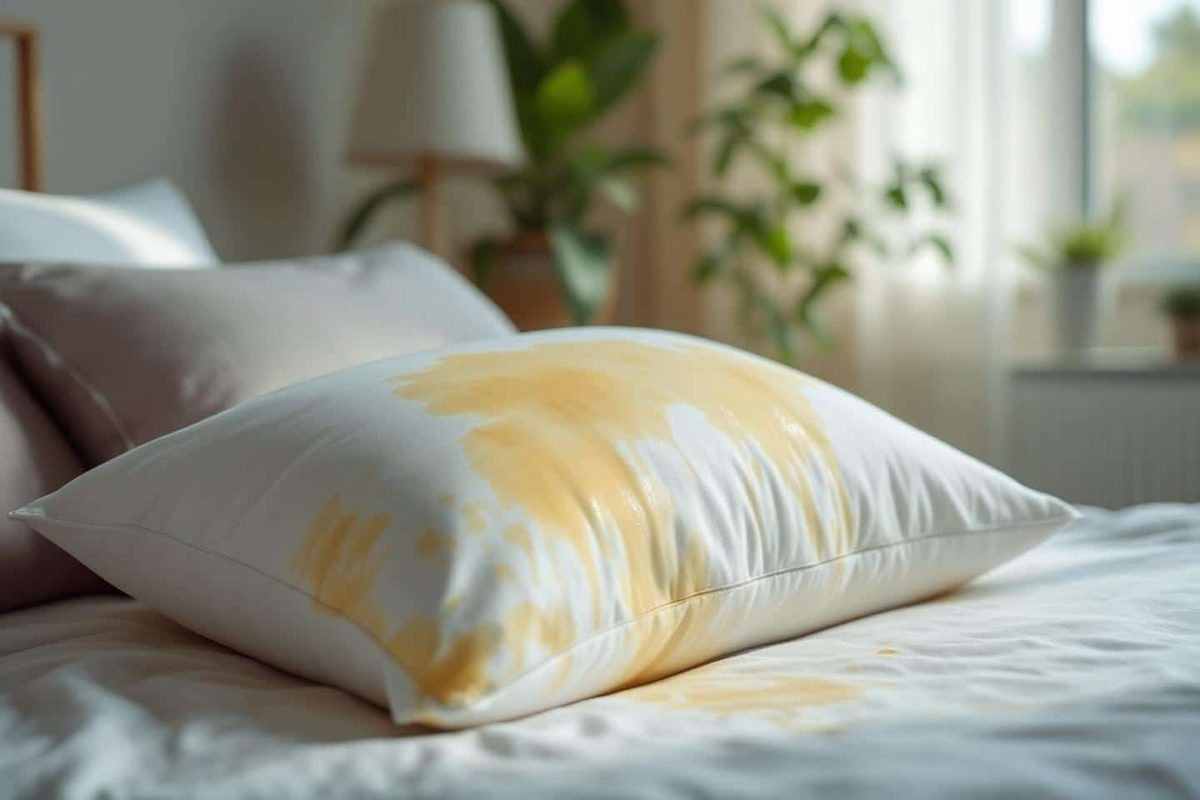
Bacteria multiply. Odors linger. The filling degrades. You get those yellow stains that never seem to wash out. The pillow loses its loft. It sags. You blame cheap manufacturing. The real culprit is neglect.
Ignoring the core accelerates wear. You kill the pillow prematurely. And you don’t even see it happening until it’s too late.
Why Pillows Age Too Fast (And What the Signs Mean)
A sagging pillow isn’t always a quality issue. Often, it’s an accumulation problem.
Residues from your body mix with humidity. This creates a damp environment. Microorganisms love this. They break down the fibers. Whether your pillow is memory foam, down, or synthetic, the structure weakens.
Dust mites thrive in this damp, protein-rich zone.
Watch for these specific signals:
- Odor: It smells “old” or musty, even after washing the case.
- Texture: It feels lumpy, grainy, or flat. It lacks bounce.
- Reaction: You wake up with itchy eyes or sneezing fits.
These aren’t minor inconveniences. They are warnings. Your pillow has lost its defensive capabilities. The maintenance gap is real. Washing the case alone is no longer enough to stop the decay.
How to Deep Clean Pillows: The Routine That Works
Reviving a pillow requires a structured approach. You need two non-negotiable steps: regular washing and consistent airing.
1. The Weekly Case Wash
Keep the barrier clean. Wash the pillowcase every week. This prevents the bulk of the surface dirt from migrating inward. It’s the first line of defense.
2. The Deep Clean (Every 2-3 Months)
Wash the entire pillow. Frequency depends on how much you sweat and how often you use it.
- Check the Label: Look for machine-washable instructions. Some down pillows are delicate. Some synthetics are tougher.
- Detergent: Use a gentle detergent. Avoid heavy chemicals that can leave residues in the fibers.
- Temperature: Wash at 40°C (104°F) on a delicate cycle. High heat can damage foam.
- Spin: Use a light spin cycle. You don’t want to stress the seams.
3. The Weekly Air-Out
This is the step most people skip. Take the pillow to a window. Let it breathe.
- Duration: At least one hour per week.
- Sunlight: Avoid direct, harsh sunlight if you have down or sensitive foam. UV rays can degrade materials over time.
- Goal: Evaporate residual moisture. Stop mold and bacteria from taking root.
You don’t need expensive products. You need consistency.
What You Need:
- Clean pillowcase (washed weekly)
- Pillow (machine or hand washable)
- Gentle detergent
- A window or well-ventilated space
Drying and Long-Term Care
Washing is only half the battle. Drying poorly traps moisture. Trapped moisture brings back the smells and mold risk.
After washing, dry thoroughly.
- Air Dry: Ideal if space and weather allow. Lay flat. Flip periodically.
- Machine Dry: Use low heat. High heat shrinks fibers and damages elasticity.
- The Tennis Ball Trick: Add two clean tennis balls to the dryer. They beat the filling as it dries. This restores loft. It breaks up clumps. It keeps the pillow fluffy.
Proper drying maintains elasticity. It chases away allergens. It keeps the pillow comfortable.
Why This Matters for Your Sleep and Wallet
Changing your laundry habits changes your sleep.
Say goodbye to crumbling filling. Say hello to waking up without neck tension or itchy skin.
Consistent care keeps the bed healthier. It keeps the pillow supportive for longer. You won’t need to buy new bedding as often.
This is practical. It saves money on housewares. It reduces waste. It’s a small gesture for the planet and your bank account.
Think of it like shaking out a duvet. It’s just as essential. A little extra effort weekly translates to better sleep quality.
Washing the case regularly. Deep cleaning the pillow every few months. Airing it out weekly.
These steps offer more than a refresh. They offer restorative sleep. Peaceful mornings. A bed that feels welcoming.
Your pillow’s second youth depends on this small shift in habit. Make it the new standard. Your back and your sinuses will thank you. The heat might still be here. But at least your pillow will be clean.