Ви шкребете підлогу. Витираєте стільниці до блиску. Але щось негаразд. Будинок не сяє. Він виглядає тьмяним. Важким. Немов шар невидимого бруду відмовляється відставати.
Це дратує. Ви не ліниві. Ви просто робите помилки.
Звичайні звички збирання часто стають ворогом бездоганного порядку в будинку. Це не серйозні промахи. Це дрібні щоденні недогляди. Вони ховаються на очах. Вони дурять вас, змушуючи думати, що ви забралися, хоча насправді це не так.
Їхнє виправлення змінює все. Ось десять невидимих саботажників, що псують блиск вашого будинку.
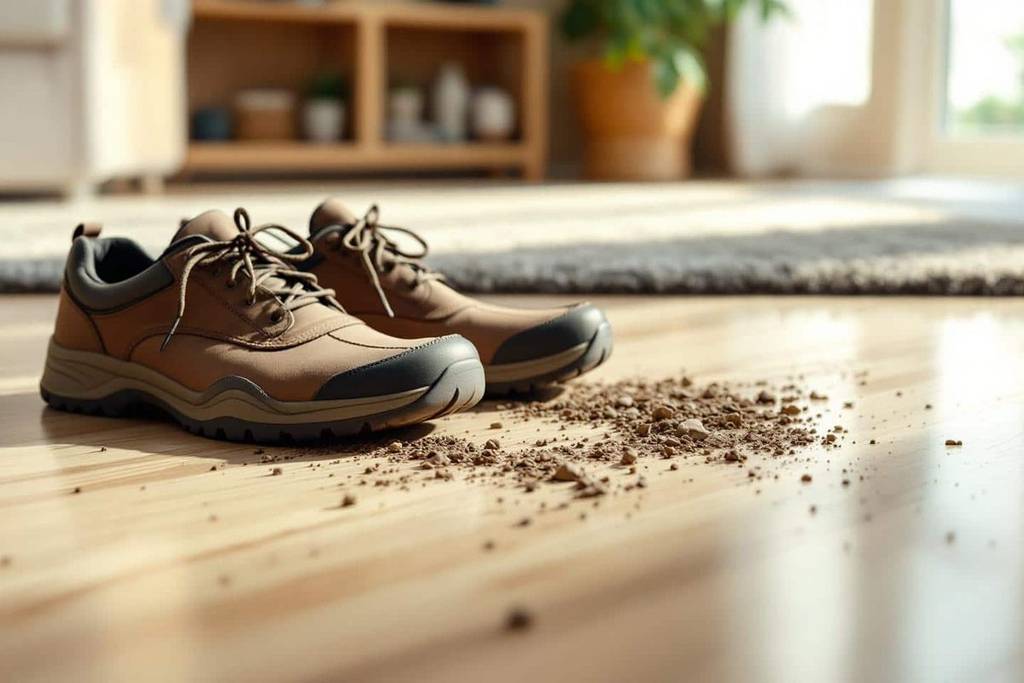
Пастка взуття: занесення вуличного бруду всередину
Здається, що це дрібниця. Ви знімаєте взуття біля дверей. Чи ні?
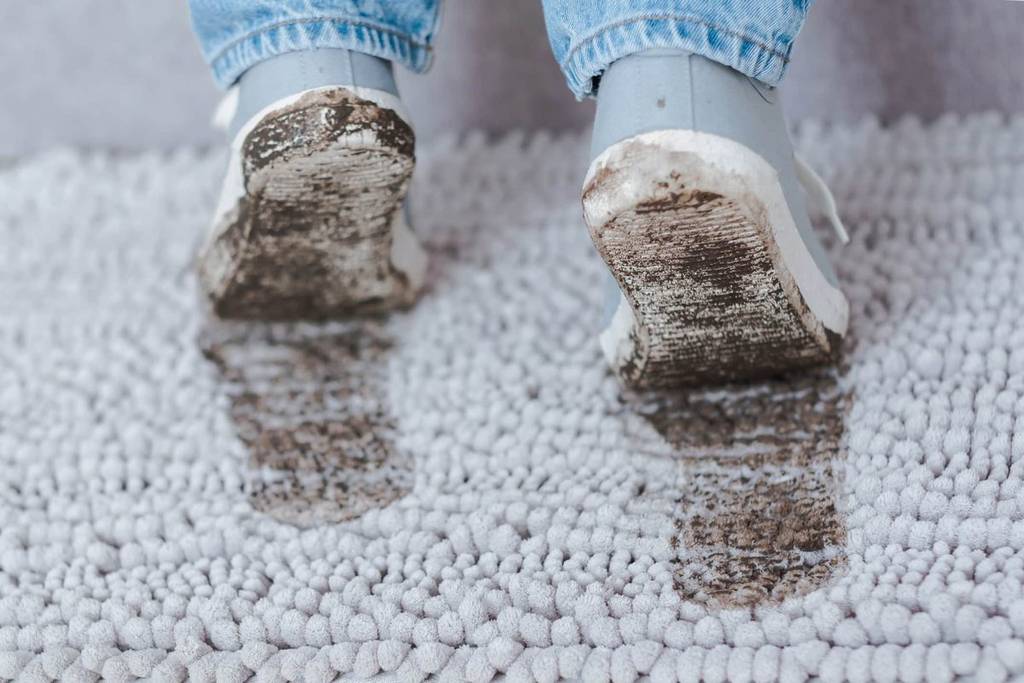
Багато людей ходять по дому у вуличному взутті. Ця звичка зводить нанівець години прибирання. Взуття діє як магніт. Вона збирає пилюку. Пилок. Бактерії. Сіль. Бруд.
Коли ви носите її всередині, ви розносите цей бруд по всіх підлогах і килимах. Це безперервний цикл. У вівторок ви забираєтеся. У середу заносите новий бруд. Цикл повторюється.
«Ношення вуличного взуття в приміщенні приносить дрібний пил, пилок, бактерії та дорожній бруд прямо на чисті підлоги та килими».
Рішення просте, але суворе. Введіть правило без взуття. Тримайте тапочки або домашнє взуття біля дверей. Це триває секунди. Це заощаджує годинник глибокого прибирання пізніше.
Паперовий слід у холодильнику
Ви повертаєтесь із продуктового магазину. Розвантажуєте візок. Забираєте продукти.
Але ви залишаєте упаковку. Пластикові пакети. Папір обгортки. Картонні коробки. Все це ховається у холодильнику.
Це не просто безладдя. Це є загроза гігієні. Відбуваються протоки їжі. Утворюється конденсат. Бактерії процвітають на поверхнях із паперу та пластику. Згодом ці обгортки накопичують пил і кухонний бруд. Вони роблять внутрішній простір холодильника неохайним, навіть якщо полиці витерті.
Сортуйте перед тим, як прибирати. Знімайте непотрібне впакування. Перекладайте залишки їжі у прозорі контейнери. Це невеликий крок. Але він перетворює вигляд та відчуття від зберігання на кухні.
Рушник, який ніколи не змінюється
Ви протираєте стільницю ганчіркою. Ви використовуєте її знову. І знову.
Це серйозна помилка. Чистячі ганчірки розносять бруд, а не видаляють її. Як тільки ганчірка вбирає бруд, вона просто переміщає її з місця на місце. По суті, ви мажете брудом свої поверхні.
Часто міняйте ганчірки. Часто їх стирайте. Використовуйте мікрофібру. Вона утримує пил краще, ніж бавовна. Або використовуйте паперові рушники для забруднень. Але не використовуйте брудну ганчірку повторно. Чистіше використовувати більше паперових рушників, ніж розмазувати бактерії кухні.
Ефект доміно при протиранні пилу
Ви протираєте пил із полиць. Витираєте плінтуси. Ви почуваєтеся задоволеним.
Але ви робите це неправильно, якщо протираєте пил зверху донизу без плану. Або ще гірше, якщо використовуєте сухе перо для пилу на брудних поверхнях.
Сухе протирання просто піднімає частинки в повітря. Вони осідають назад за кілька годин. Ви ганяєтесь за привидами.
Використовуйте вологу ганчірку з мікрофібри. Вона вловлює пил. Чи не випускає її. Починайте згори. Рухайтеся вниз. Спочатку протирайте стельові вентилятори. Потім світильники. Потім полиці
Чому точки контакту видають вашу зневагу чистотою
Кожен хоче, щоб до вечора неділі його будинок виглядав ідеально. Але ось проблема: вимикачі та дверні ручки часто залишають без нагляду. Це зони інтенсивного руху. Вони показують справжній рівень вашої турботи. Те ж саме стосується плінтусів, ручок шаф і підвіконь. Нехтування дрібницями псує загальне враження, особливо коли приходять гості. Ці дрібні деталі впадають в очі. Вони роблять прибрану кімнату брудною.
Помилки при чищенні, які поширюють бруд
Підмітати кахельну або дерев’яну підлогу здається швидше, ніж пилососити. Виглядає ефектно. Але це створює хмару пилу. Цей селиться в інших місцях. Воно проникає в ворс килимів. Притримується низьких меблів.
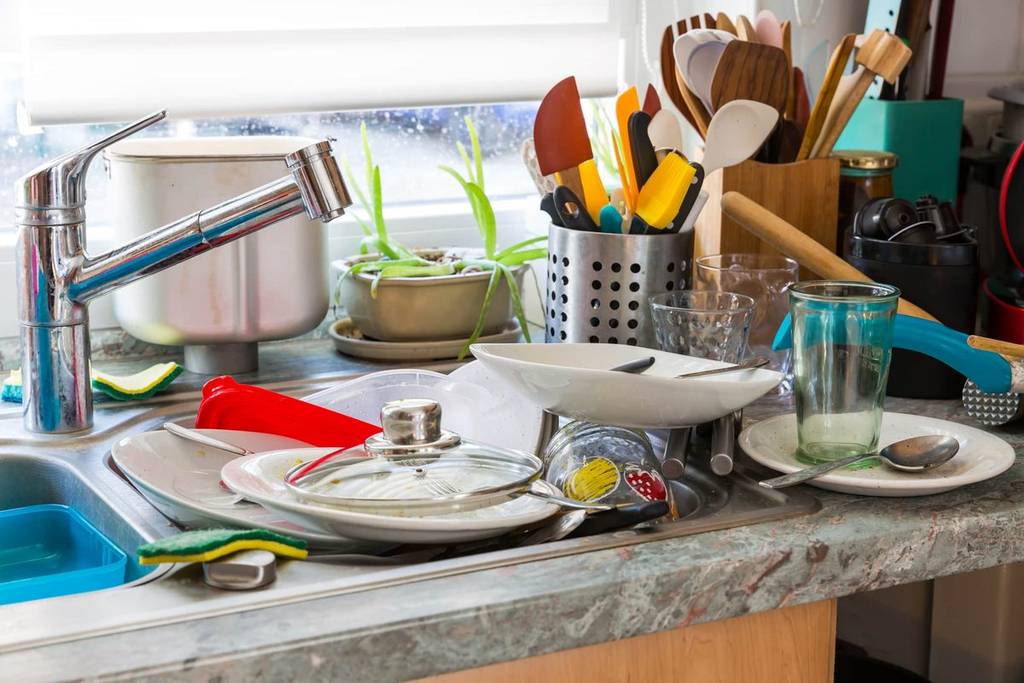
Крім того, є багатофункціональна губка. Залишається на стільниці. Його рідко змінюють. Його рідко дезінфікують. Він стає розсадником бактерій. Він поширює бруд, а не видаляє його. Це небезпечно в зонах приготування їжі.
Для реальних результатів:
– Використовуйте пилосос із фільтром HEPA.
– Після видалення пилу провітріть приміщення.
– Регулярно дезінфікуйте свої губки або перейдіть на багаторазові серветки.
– Змініть їх за потреби.
Зберігання та організація: пастка накопичення речей
Невидимі пастки, які саботують чистоту вашого дому
Ви натираєте підлогу, поки у вас не починають боліти руки. Ви витираєте стільниці. Ви пилососите килими. Проте в будинку все одно відчувається щось… несправне. Повітря здається важким. Безлад. Не тому, що тут брудно, а тому, що повітря застояне.
Це пастка невидимих помилок очищення.
Вони не гучні. Вони не привертають до себе увагу. Але з часом вони накопичуються, як безлад у вашій коморі. Кухня, завалена простроченими спеціями та посудом, залишеним «на всякий випадок», створює візуальний шум. Цей шум перетворюється на психічний статичний шум. Кожна дрібничка на полиці – це пиловловлювач. Кожен стос електронних листів сповільнює ваш робочий процес. Ви витрачаєте більше часу на пересування речей, ніж на їх справжнє прибирання.
Результат? Ви виснажені. А будинок усе ще виглядає втомленим.
10 маленьких звичок, які створюють великі проблеми
Справа не в пранні сильніше. Йдеться про усунення течі. Ось особливості поведінки, завдяки яким ваш дім не відчувається свіжим, незалежно від того, наскільки старанно ви прибираєтеся.
1. Принесення взуття в будинок
Ви це знаєте. Але чи справді ви суворо дотримуєтесь цього правила? Вуличний бруд несе не просто бруд. Він переносить бактерії, пилок і пісок, які втираються в дошки підлоги. Залиште взуття біля дверей. Серйозно.
2. Холодильник-кладовище
Скільки контейнерів для виносу ховається на задній полиці? Прострочені соуси? Приправи з минулого березня? Вони виробляють спори цвілі та дивні запахи. Якщо на продукті немає етикетки або терміну придатності, викиньте його. Холодильник має бути місцем для зберігання їжі, а не місцем для зберігання забутих залишків.
3. Соромно за губку
Ця жовто-зелена губка у вашій раковині? Це чашка Петрі. Якщо він пахне хоч трохи кислим, викиньте його. Замініть на новий. Мийте його в посудомийній машині або мікрохвильовій печі (якщо її можна використовувати в мікрохвильовій печі). Або перейдіть на систему зі змінними головками. Ваші тарілки будуть вам вдячні.
4. Важливість точок дотику
Коли ви востаннє протирали вимикач світла? Ручку дверей? Пульт дистанційного керування? Це зони із високою частотою дотиків. Вони накопичують шкірний жир, омертвілі клітини шкіри та мікроби. Використовуйте серветки, що дезінфікують, для цих поверхонь щотижня. Це триває тридцять секунд. Це має значення.
5. Сушіння білизни indoors без вентиляції
Сушіння одягу всередині приміщення виділяє величезну кількість вологи у повітря. Якщо ви не відкриваєте вікно і не вмикаєте осушувач повітря, ви створюєте пастку для вологості. Ця вогкість призводить до появи спір цвілі і того самого характерного запаху «застояного» повітря. Завжди провітрюйте. Завжди.
6. Ігнорування текстилю
Подушки. Штори. Килими. Вони виглядають нормально. Насправді ні. Кліщі домашнього пилу люблять їх. Шерсть тварин осідає у них. Прибирання підлоги пилососом не торкається їх. Мийте штори кожні кілька місяців. Пилосісті м’які меблі. Витрусіть килими на вулиці. Саме тут мешкають справжні алергени.
7. Мітла проти пилососу
Мітли піднімають пил у повітря. Ви підмітаєте її, але також і збовтуєте. Потім вона знову осідає. Натомість використовуйте пилосос із HEPA-фільтром. Він уловлює дрібні частинки, а не розподіляє їх по кімнаті. Ваші легені оцінять різницю.
8. Хлам на поверхнях
Чисті поверхні миються швидше. Якщо вам потрібно перемістити десять предметів, щоб протерти квадратний метр стільниці, ви не забираєте. Ви граєте в Тетріс. Звільніть стільниці. Забирайте речі у шафи. Мова не про мінімалізм; мова про ефективність.
9. Приховані зони
Верх холодильника. За унітазом. Під диваном. У цих місцях збираються пилові грудки, які перетворюються на пилові гори. Щомісяця влаштовуйте прибирання «сліпих зон». Переміщуйте меблі. Пилте верхні частини.
10. Пропуск провітрювання після збирання
Ви витрачаєте годинник на прибирання. Потім закриваєте вікна і сидите в повітрі, що рециркулюється. Відкрийте вікно на десять хвилин після збирання. Нехай свіже повітря циркулює. Він вимиває пил, який ви підняли, та оновлює атмосферу в кімнаті.