Your morning routine is ruined. You are standing under the spray, eyes closed, letting the hot water melt the tension from your shoulders. Then it happens. A sudden jolt of freezing water hits your chest. You twist the knobs. Nothing. The handle spins freely or hits a dead stop. Your water heater has given up the ghost.
Now you are at the store. It is overwhelming. Aisle after aisle of white, beige, and metallic cylinders. Or rows of small, boxy units that look nothing like what you are used to. The staff doesn’t help much. You need answers. You need to know which unit will actually keep you warm without costing you a fortune to install.
We are going to break this down. No jargon. No sales pitch. Just the facts you need to choose the right system for your home.
Understanding Your Fuel Options
The first decision is simple but critical: what powers your heat? Your house likely already has one of two lines running to your plumbing area.
Natural Gas or Propane
If you have a gas line, you have two main choices. Gas water heaters heat water faster than electric models. They also cost less to operate in most regions. However, they require venting. You need a flue to exhaust combustion gases outside. This limits where you can install them. You cannot put one in a finished basement corner without proper ventilation.
Electric
Electric units are easier to install. No venting is needed. This makes them ideal for apartments or tight spaces. But they draw a lot of power. If your electrical panel is old or undersized, you might need an upgrade. That adds cost. Electric water heaters also recover heat slower than gas. If you run out of hot water, you wait longer for the next shower.
Gas heats faster and costs less to run. Electric is easier to install but may require electrical upgrades.
Tank vs. Tankless: The Big Divide
This is where it gets confusing. You see two very different shapes on the shelf.
Conventional Tank Heaters
These are the big cylinders you know. They hold 30 to 80 gallons of water. They keep it hot 24/7. This is a pro for some, a con for others. You have standby energy loss. The unit burns fuel just to keep the water hot even when no one is using it.
But the tank model is reliable. It stores a large reserve. If two people shower back-to-back, the tank has the volume to handle it. Replacement is cheap. Parts are everywhere.
Tankless (On-Demand) Heaters
These units look like small boxes mounted on the wall. They do not store water. They heat it as it flows through the pipes. This means endless hot water. You can shower for an hour if you want.
But there are catches.
* Flow Rate: Tankless units can only heat so much water at once. If you turn on the shower and the kitchen sink simultaneously, the temperature might drop.
* Upfront Cost: The unit itself is more expensive.
* Installation: They often require larger gas lines or heavier electrical circuits.
Which One Fits Your Lifestyle?
Your choice depends on how you use
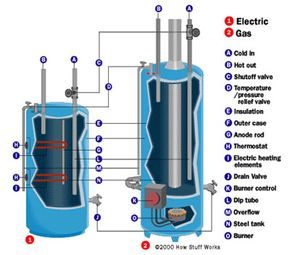

Before you pick a unit, you need to know how a storage tank heater actually works. We will save tankless models for later. For now, focus on the fuel source. Your choice dictates efficiency, cost, and installation complexity.
Electric Heating Elements
Electric models rely on large coils submerged directly into the tank. Think of the heating elements inside an electric oven. They sit at the bottom and top of the tank to heat the water.
Electric water heaters generally lag behind gas models in efficiency. Electricity costs more than natural gas or propane per unit of heat. You pay more to run them. But the upfront cost is lower. Installation is simpler too. You do not need a chimney or external venting. If your hot water demand is low, this is a solid option. It saves you on structural modifications.
Natural Gas Combustion
Gas heaters use a burner located at the base of the tank. A venting chimney runs through the center of the unit and exits at the top. The combustion byproducts—carbon dioxide and water vapor—travel up that chimney. They then exit your house through a side wall vent or an existing chimney structure.
Ignition comes from a standing pilot light or an electric spark. These units cost more to buy than electric ones. They are cheaper to operate long-term. Natural gas is usually abundant and affordable in suburban areas.
Propane Tanks
Propane systems function identically to natural gas heaters. The difference is the fuel source. You use this when your home is not connected to a natural gas line.
The propane comes from a large storage tank on your property. You need to monitor your supply. Refills are necessary. But it works just as well as gas if you have the tank space.
Oil Heat Systems
Oil heaters look similar to gas and propane models. They use a power burner to mix oil with air. This creates a vapor mist that an electric spark ignites.
Like propane, oil heat is a backup option. It is for homes without natural gas access. You store the fuel in a large tank on-site. It requires regular maintenance of the burner and filter. But it gets the job done when other fuels are unavailable.
Choosing the right fuel affects your monthly bill and your installation plan. Gas and propane offer lower running costs. Electric is easier to install but pricier to run. Oil is a niche solution for rural or older homes. Match the fuel to your home’s infrastructure.
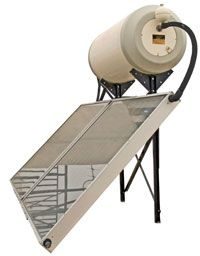

Solar water heating isn’t just about going green; it’s about harvesting free energy from the sun. The core component is an absorber panel, usually mounted on your roof, which captures solar heat. Inside these panels, tubes either heat water directly or warm a transfer fluid. This heat transfers through a heat exchanger into your storage tank. Think of it like a hybrid car. You can pair a solar system with a conventional backup. Doing so can slash your water heating bill by up to 80 percent.
Heat pumps work differently. They pull ambient heat from the air and push it into your water using electricity. They are two to three times more efficient than standard electric heaters. That efficiency sounds great, until you look at the market. Consumer demand is low. Few manufacturers make them. The upfront cost is higher than conventional units. There’s also a strict geographical limit. They only operate effectively where temperatures stay between 40 and 90 degrees Fahrenheit year-round. That is 4.4 to 32.2 degrees Celsius.
Your location dictates your options.
If you have natural gas access, it’s hard to beat. It is fuel-efficient. It’s reliable. It’s easy to maintain. In outlying areas where gas lines don’t reach, you’re likely already running on oil or propane.
Solar? That’s a different story. Abundant sunshine is non-negotiable. Live in Seattle? Probably skip it. The grey skies won’t cut it.
Heat pumps save serious money on bills. But their rarity scares off buyers. If you want a no-fuss system that’s easy to service, stick with natural gas.
The Tankless Revolution
We are entering a shift. The tankless revolution is here.
Is it right for you? We’ll dig into that next.


Traditional storage tank heaters keep a reservoir of water hot 24/7. Tankless units change that dynamic. They heat water on demand.
Turn on the faucet. Cold water flows into the unit. An electric coil or gas burner engages. A heat exchanger warms the water instantly to your preset temperature.
There are two main categories. Point-of-use models serve one or two fixtures. They are small. You can tuck them under a sink or in a closet.
Whole-house units handle every tap in the house. They mount on the wall. This saves floor space.
The Case For Going Tankless
Why switch? Efficiency is the big driver.
Most tankless units qualify for a $300 federal tax rebate. They are significantly more efficient than storage models. You can cut your water heating bill by up to 20 percent.
There is no running out of hot water. The supply is continuous. As long as the heater works, the water stays warm.
Longevity is another factor. A tankless unit lasts five to ten years longer than a standard tank. If you choose an electric model, you eliminate greenhouse gas emissions. You also remove the risk of a catastrophic flood from a ruptured tank.
The Hidden Costs and Drawbacks
It is not all positive. Gas whole-house units can cost three times as much as conventional heaters.
The upfront price is steep. A large whole-house electric model runs $500 to $700. That is similar to a standard tank. Gas models tell a different story. A whole-house gas tankless heater can cost up to $2,000. The comparable storage tank is about $450.
Installation is almost always more expensive. Gas models often require a larger natural gas line to supply enough fuel. You might need expensive stainless steel tubing for venting.
Electric units may require a new power circuit.
Gas models produce greenhouse gases. They need annual servicing.
There is also the “cold water sandwich” effect and delivery time. Hot water takes longer to reach the faucet. During that wait, you waste cold water. The flow rate is also limited. If you run multiple fixtures at once, the volume splits. You might get lukewarm water if the demand exceeds the unit’s capacity.
Calculating Your Payback Period
How do you decide? Do the math.
Add up the purchase and installation costs. Compare that to the Energy Star rating on the yellow sticker.
The time it takes to recoup the additional expense is called the payback period.
Factor in replacement costs. A storage tank heater lasts about 10 years. You will replace it once or twice in the lifespan of a tankless unit. Tankless models offer 15 to 20 years of use.
If the math works, the higher upfront cost pays off over time. If not, the lower initial price of a tank might make more sense.
Sizing a Storage Tank Water Heater


Size It Up: Tank Capacity and Recovery Rate
Your fuel choice is locked in. Now you need the right volume.
If you’re swapping out an old unit, look at your history. Did you constantly run out of hot water? You need a bigger tank. Think ahead too. A growing family or an aging parent moving in means higher demand. Don’t size for who you are today. Size for who you’ll be in ten years.
For standard storage tank heaters, two numbers matter.
- Tank capacity (gallons).
- First Hour Rating (FHR). This is your recovery rate. It’s how much hot water the unit can produce in one hour starting from a cold tank.
Gas models heat water faster. They have higher FHRs. You can get away with a smaller tank for the same performance as an electric model.
General rules of thumb for capacity:
- Two people: 30–40 gallons.
- Three to four people: 40–50 gallons.
- Five or more people: 50–80 gallons.
But general rules are just starting points. You need specifics. Calculate your peak hour demand.
Add up the gallons used for every hot water task in your busiest hour. Multiply by the number of people using them.
“Estimate your peak hour demand and find a heater that falls within a couple of gallons of this number.”
Here’s what typical tasks use:
- Shower: 12 gallons
- Bath: 9 gallons
- Shaving: 2 gallons
- Shampooing: 4 gallons
- Hand/face wash: 4 gallons
- Hand-washing dishes: 4 gallons
- Dishwasher: 14 gallons
- Food prep: 5 gallons
- Washing machine: 32 gallons
Say you have three people. All shower in the morning. That’s 36 gallons right there. Then someone runs the dishwasher. Add 14 gallons. Total: 50 gallons. Look for a heater with an FHR near 50 gallons per hour.
Space is tight in some utility closets? Look for “lowboy” models. They sit lower to the ground. They’re wider. Capacity remains the same.
The Energy Factor (EF) Matters
The yellow Energy Star label is your cheat sheet. It lists the Energy Factor (EF).
EF measures efficiency. It’s the ratio of hot water produced to energy consumed over 24 hours.
Higher EF = better efficiency.
Don’t just guess. Check the Consumer’s Directory of Certified Efficiency Ratings for Residential Heating and Water Heating Equipment. It’s updated twice a year. Available online. Or at your local library. It lists EF ratings for every certified unit. Saves you hours of digging.
You want high efficiency. You want enough hot water. You want to fit it in your space. Do the math. Check the sticker. Then buy.
The rest is plumbing.