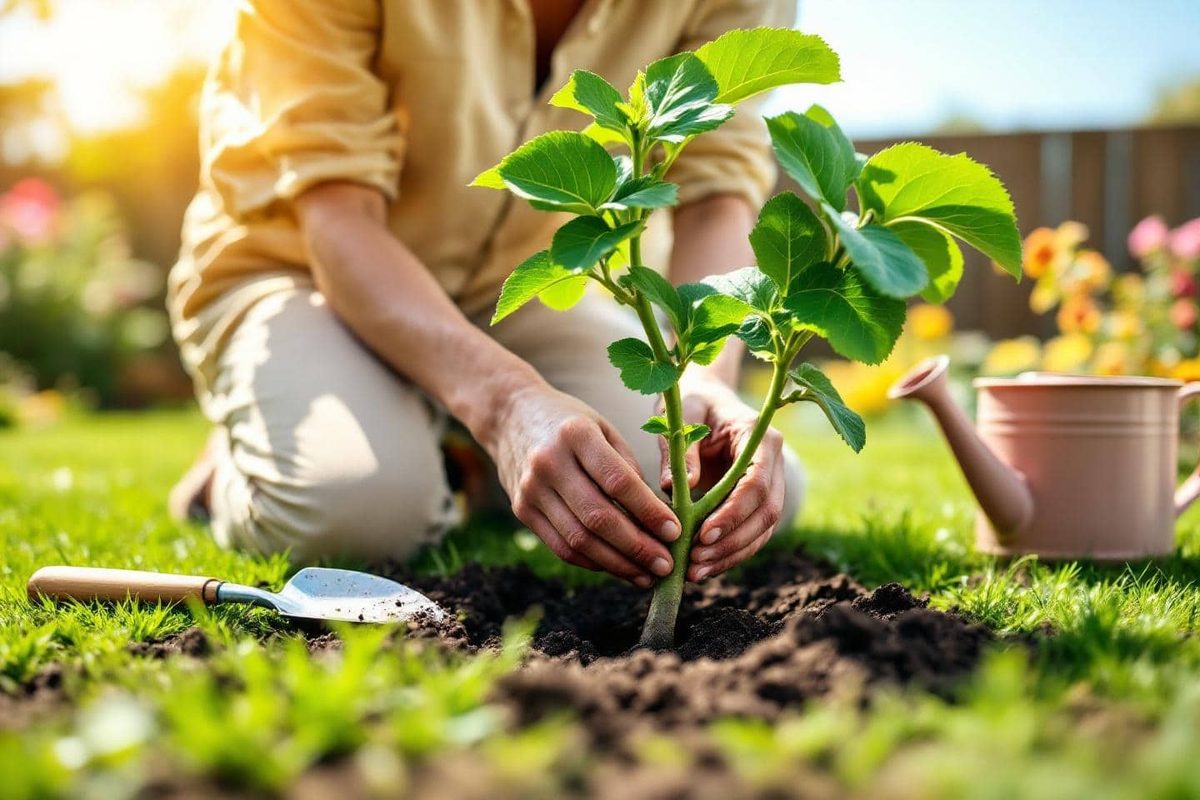
You can have grapes in your garden by spring.
Seriously.
Planting a vine now, in late autumn, is not just about aesthetics. It is a strategic move. The soil still holds heat from the summer. This warmth lets roots settle in before the ground freezes. You get a head start. The plant wakes up earlier in March. You get stronger vines. You get fruit faster.
Most people wait for spring. They miss the window. The soil cools down. Roots don’t establish as well. If you are on a balcony or in a small courtyard, this is your chance. Transform that empty corner into a mini vineyard.
Here is how you actually do it. No fluff. Just the mechanics of getting grapes growing.
Why Autumn is the Best Time to Plant
Timing is everything in horticulture. Before mid-November, the ground is forgiving. It is warm.
When you plant in autumn, you are leveraging natural moisture. Rain is more frequent. You don’t have to water constantly. This reduces stress on the young plant. The vine focuses energy on root growth, not leaves. By the time spring hits, the vine is already anchored.
Planting now gives the vine the best conditions for vigorous growth. You are essentially cheating the clock.
Choosing the Right Grapevine Varieties
Not all vines are created equal. If you are in a small space, you need hardy varieties. You need resistance to disease. You need flavor.
Pick Chasselas if you want sweetness. It is mild. It is classic.
Pick Muscat de Hambourg if you want aroma. It is pungent. It is complex.
Avoid obscure varieties. Stick to the knowns. They are more likely to survive your first winter.
Where to Place Your Vine
Sunlight is non-negotiable. Vines love heat. They need full sun to ripen fruit.
If you are in a garden, pick the sunniest spot. South-facing is ideal in the Northern Hemisphere.
If you are on a balcony, place it where it gets midday sun. But watch the wind. Strong gusts can snap young shoots. Protect the base.
Preparing the Soil for Success
Do not just dig a hole and drop the plant in. That is a recipe for failure.
The soil needs aeration. Loosen it up. Dig a hole about 40 centimeters deep and wide. Roots need space to spread.
Amend the soil. Mix in compost or quality potting mix. This adds nutrients immediately. You do not want to wait for the earth to break down naturally. Feed it now.
A rich, well-drained soil helps the vine develop quickly. If the soil is clay-heavy, add grit or sand to improve drainage.
Planting in Pots for Small Spaces
No garden? No problem.
Vines grow well in containers. This is common in urban settings.
Use a pot at least 40 centimeters deep. Shallow pots dry out too fast and restrict root growth.
Drainage is critical. Make sure there are holes at the bottom. Stagnant water kills roots. Rot sets in. Watch your vine die because it was too wet.
Place the pot in a sunny, sheltered spot.
Essential Care for a Quick Harvest
Planting is only half the work. Maintenance determines your yield.
Watering
Moderate but regular. Especially in year one.
Do not splash water on the leaves. Water the soil. Deep watering encourages roots to go down. Shallow watering keeps roots near the surface, where they are vulnerable.
Space out your watering sessions. Let the top inch of soil dry out between waterings. This promotes resilience.
Pruning
Wait until late winter for the first major cut. This is structural pruning. Define the shape.
In summer, do light pruning. Remove excess foliage. You want sunlight to hit the grape clusters. Shade leads to sour, underripe fruit.
Feeding
Add organic fertilizer in early spring. A burst of nitrogen and phosphorus helps the vine kick-start growth.
When and How to Harvest
If you planted well, you might see grapes by the following spring.
It depends on the variety. Generally, harvest runs from July to September.
Autumn-planted vines are often more productive in their first year. They had that entire winter to establish. The roots are strong. The canopy is robust.
Look for color change. The skins should darken. The berries should taste sweet. If they are tart, wait a few more days.
Benefits of Growing Vines at Home
It is not just about the fruit.
Vines cover walls. They drape over pergolas. They provide shade in summer. They turn gold and red in autumn.
They attract pollinators. Bees love the flowers. A healthy ecosystem in your garden benefits from this diversity.
Urban gardening with vines is viable. It adds greenery. It adds satisfaction. There is a specific joy in eating something you grew yourself.
Troubleshooting Common Issues
Disease
Vines can get powdery mildew (oïdium). It looks like white dust on the leaves.
Prevent it. Use diluted baking soda spray. It is a natural fungicide. Apply it early in the season.
Pests
Wasps and birds love ripe grapes.
If you see damage, install netting. Cover the clusters. It is annoying to set up, but it saves your harvest.
Weeds and Moisture
Mulch the base of the vine. Use straw or wood chips.
This retains moisture in summer. It stops weeds from stealing nutrients. It keeps the soil temperature stable.
Final Thoughts
This is not a difficult project.
It requires patience. It requires a sunny spot. It requires minimal intervention.
Whether you are a novice or an old gardener, this works. The vine is resilient. It wants to grow.
You just need to give it a start.
The grapes will come.
Maybe not this year. But soon.
And when they do, they will taste like sunshine and effort.