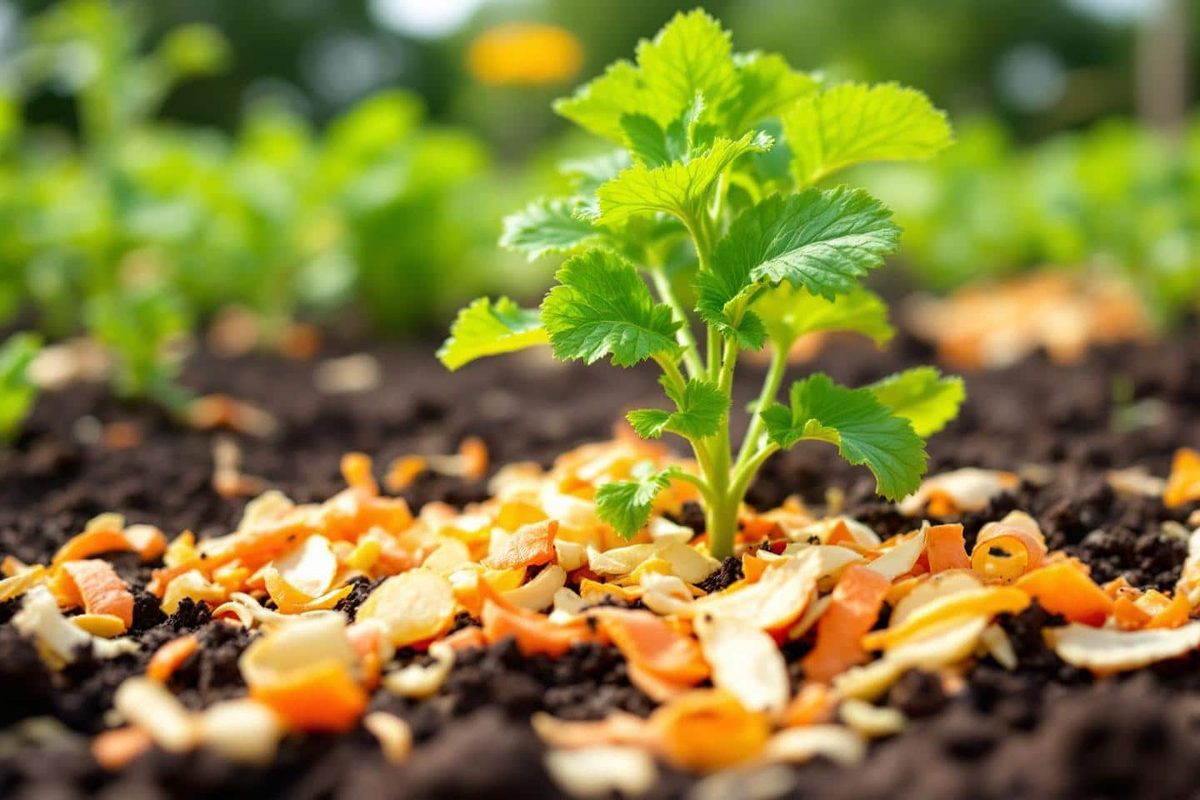
The sun is hammering down. The soil is baking. Your tomatoes are thirsty, and the leaves are starting to droop, looking less like vibrant green plants and more like tired survivors. It is mid-July. The heat is no longer a luxury; it is a stress test.
Most people see this and reach for the hose or the compost bin. They toss carrot tops, potato skins, and onion shells into the trash. Or worse, they bury them deep in a slow-rotting pile that won’t be ready until next autumn. But the garden needs help now.
There is a simpler way. A way that has been whispered about in kitchen gardens for generations but often gets lost in modern convenience. You don’t need a fancy compost bin. You don’t need expensive fertilizer. You just need the scraps from your dinner.
These peels are not waste. They are concentrated energy. And in the dead of summer, your soil is starving for exactly what they provide.
Why vegetable peels outperform standard compost in July
Standard composting is slow. It relies on time and bacterial action that struggles in the dry, hot conditions of summer. By the time your compost turns into dark, crumbly humus, the season is over.
Vegetable peels offer immediate relief. They are packed with potassium, phosphorus, and trace minerals. A potato peel? High in potassium, which helps plants regulate water and resist disease. Carrot tops? Loaded with calcium. Onion skins? Rich in sulfur, a natural fungicide.
When you toss these directly into the soil, you aren’t waiting for decomposition. You are creating a micro-environment right where the roots need it.
Consider the scale of waste. In France alone, over 30 kilos of organic waste per person end up in household bins every year. That is a massive resource going straight to the landfill. Our ancestors didn’t have plastic bins. They recycled directly. They understood that feeding the soil was the only way to feed the family. Returning to this direct application is not just practical; it is an act of ecological wisdom.
The technique: Mulching with peels for instant soil revival
You are asking about how to use vegetable peels to restore summer soil. The method is called direct mulching, but it is more aggressive than the leaf-litter mulch you might see in autumn. It requires speed and placement.
Here is how you do it without attracting pests or creating slime.
- Prep the peels : Chop them. Small pieces break down faster and make better contact with the soil. Large chunks of zucchini or cucumber will just sit there and rot on the surface, attracting flies. Chop everything to the size of a coin or smaller.
- Choose the right location : Do not pile them against the stem of your plant. This causes rot. Move the plant slightly if needed. Aim for the “drip line,” where the roots spread out.
- Application : Scatter the chopped peels evenly over the dry soil around the base of the plants.
- Cover it up : This is the critical step. You must cover the fresh peels with a thin layer of dry material. Straw, dry leaves, or even cardboard works. This keeps the moisture in, the flies out
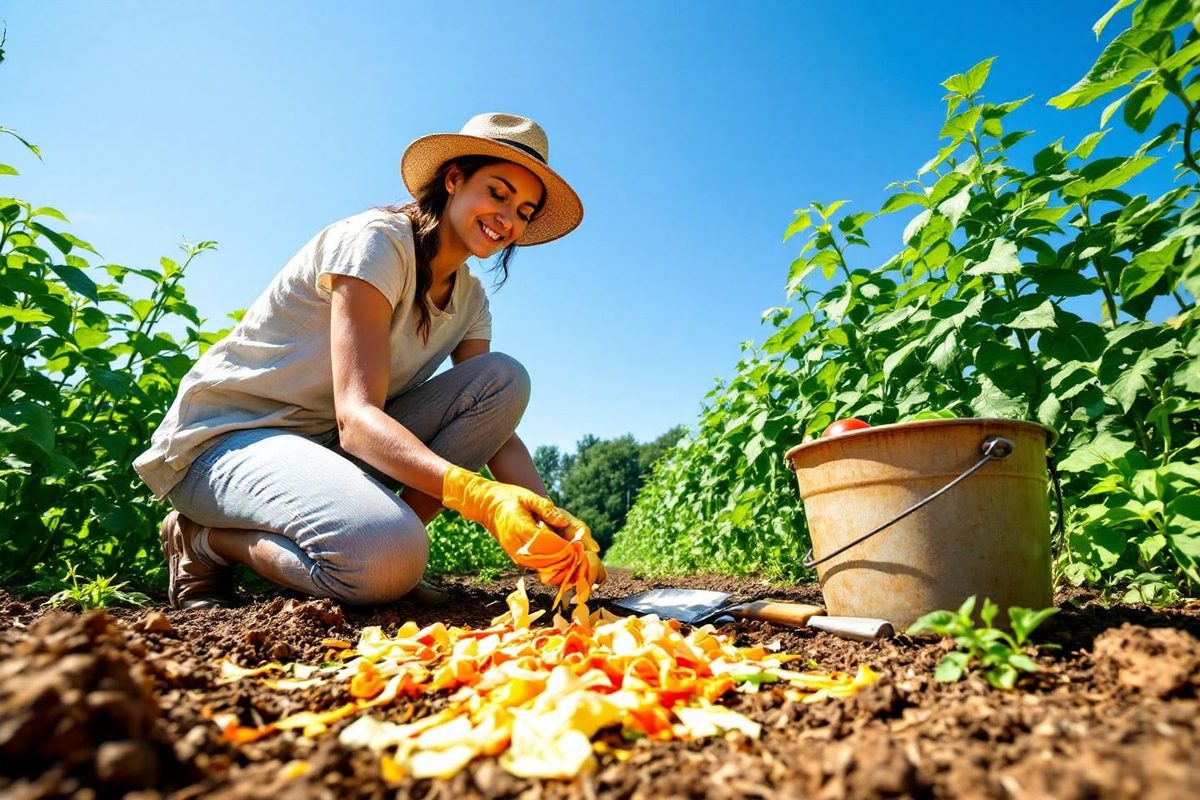

Most gardeners treat peels and scraps as trash. They throw them in the bin, waiting weeks for a compost bin to do its slow magic. But when the July sun beats down, waiting isn’t an option. Your soil is baking. Your plants are stressed. You need a fix that works now.
Enter mulching with vegetable scraps.
It sounds like a hack you’d see on social media, but it’s basically just biology. You spread kitchen waste on top of the dirt. It breaks down fast. It feeds the worms. It keeps the moisture in. It’s simple. It’s effective. And it turns a daily chore (chopping vegetables) into a direct investment in your harvest.
Why Surface Mulching with Scraps Revives Tired Soil
Underneath every healthy garden, there’s a war being fought by micro-organisms. Earthworms, fungi, bacteria—they’re all busy breaking down organic matter to aerate the earth. When you leave your soil bare, they starve. When you dump a layer of fresh peels on top, you’re throwing a buffet.
The reaction is immediate. The worms come out to eat. They tunnel through the layer, pulling organic matter down and pushing nutrients up. Suddenly, your heavy clay soil feels lighter. It feels alive.
“The soil gains lightness and fertility. Within weeks, the microfauna develops, earthworms become active, and crops show obvious signs of vigor.”
You don’t need a thermophilic compost pile to get these benefits. The surface layer is the compost pile, just a smaller, faster one. Your plants stop looking wilted. They perk up. It’s like they just drank a double espresso.
How Scraps Decompose Quickly Even in Summer Heat
The biggest fear? Rotting peels baking in the sun until they form a crust or smell like a sewage plant. This happens if you throw a whole watermelon rind on the dirt and walk away. Don’t do that.
The trick is surface area and coverage.
- Chop it up. Hard peels (watermelon, pumpkin) need to be diced. Soft peels (zucchini, cucumber) can be left whole.
- Spread thin. A thin layer dries and breaks down evenly. A thick mound stays wet and smells.
- Cover it. This is the non-negotiable step. After spreading the scraps, toss a layer of grass clippings, dry leaves, or straw on top.
This cover does three things: it stops the smell, it keeps the flies away, and it maintains the humidity needed for decomposition. In a typical French summer garden, zucchini peels can vanish in less than a week if covered properly. The heat actually accelerates the process, provided the moisture doesn’t evaporate instantly.
Boosting Moisture and Fertility Without Extra Effort
Mulching with scraps isn’t just about nutrients. It’s a survival tactic for hot months.
Bare soil loses water to evaporation within hours. A layer of organic matter acts like a shield. It blocks the sun’s direct rays from hitting the dirt. The result? Your soil stays cool. It stays damp. You water less.
And while that shield sits there, it’s slowly leaching nutrients. Vegetable scraps are rich in potassium, magnesium, and small amounts of nitrogen. As rain or watering hits the layer, these minerals drip down to the root zone. It’s a slow-release fertilizer that arrives exactly when your plants need it most.
How to Apply Vegetable Scraps Correctly (Without Attracting Pests)
You don’t need special tools. Just your knife and a bucket. Here is the protocol for mulching with vegetable scraps that actually works.
What to Use:
* Potato skins
* Zucchini and cucumber peels
* Carrot tops and peels
* Beet greens
* Pea and bean pods
* Outer lettuce and cabbage leaves
* Crushed eggshells (for calcium)
* Melon rinds (diced small)
What to Avoid:
* Citrus peels (too acidic, can deter worms)
* Cooked or greasy food (attracts raccoons, rats, and flies)
* Diseased plants (you’re reintroducing the pathogen)
* Green potato skins (contain solanine, toxic to some soil life)
* Meat or dairy (obvious reasons)
The Method:
1. Collect scraps in a container on the kitchen counter.
2. Walk out to the garden bed.
3. Scatter a small handful around the base of each plant. Do not pile it up against the stem; leave a small gap to prevent rot.
4. Immediately cover with a thin layer of mulch (straw, grass, or leaves).
5. Water lightly to settle the layer.
Do this every few days. Do not wait until you have a trash bag full of waste. Small, frequent applications are more effective than one giant dump.
Smart Habits for Integrating Scraps into Your Routine
This only works if you make it easy. If you have to hunt for a shovel and dig a hole, you won’t do it. The beauty of surface mulching is that it requires zero digging.
Keep a small bowl on the counter. As you chop dinner, toss the peels in. When you finish cooking, take the bowl outside. It takes two minutes.
Involve kids in this. Let them be the “peel collectors.” It turns a chore into a game. Some gardeners even save citrus zest—not to put in the soil, but to rub on hands to deter ants. Small perks. Big satisfaction.
The Results: What Transformed Gardens Look Like
Gardeners who switch to this method report a distinct shift in their soil’s behavior. The dirt doesn’t crust over after watering. It stays loose. Weeds struggle to establish themselves in a thick layer of decomposing matter. The tomatoes stay greener longer into the heatwave.
It’s not magic. It’s just good stewardship. You’re giving back to the soil what you took from it. And in return, the soil gives you food.
There’s a slight learning curve. You might get it wrong once or twice. A pile might smell. Some slugs might appear. But once you see how quickly a layer of zucchini peels turns into dark, rich humus, you’ll never look at your kitchen trash the same way again. The bin stays empty. The garden stays full.
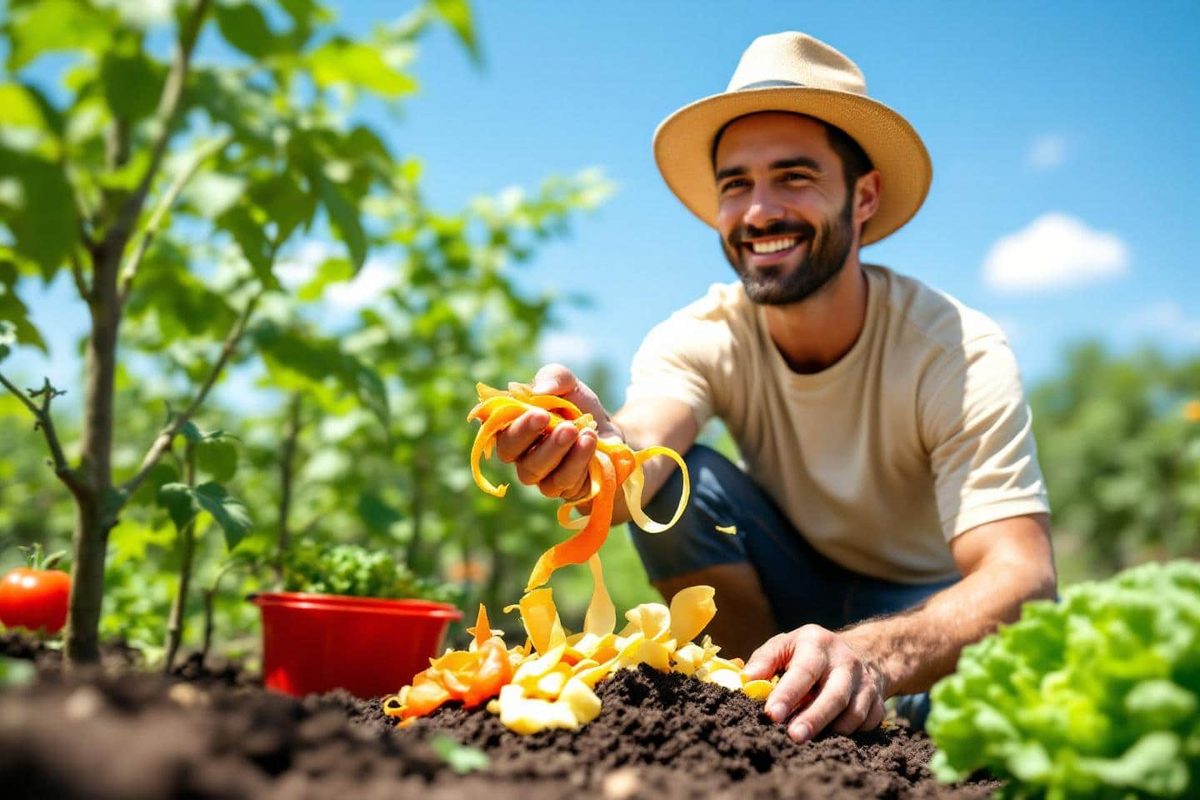
The transformation is visible across French gardens. Leafy greens are thicker. Tomato vines are stronger. This surge in vitality isn’t magic. It’s the result of a specific, low-effort habit: placing kitchen peels on the soil surface regularly during the summer months.
Observing the rapid recovery of vegetable beds
Neighbors often ask about the sudden vigor of their zucchini plants or the robustness of their bean stalks. The feedback is consistent. Within a single growing season, vegetable rows recover their strength. Young shoots gain resilience. The soil itself changes texture, turning into a dark, crumbly humus that feels alive underfoot.
The ground becomes easier to work with. It holds moisture better. This structural change creates a microclimate that protects plants from extreme heat. Some gardeners even notice a richer, earthier scent in the air. It smells like a traditional, well-tended garden. The consensus among those practicing this method is clear: mulching with vegetable scraps provides natural resilience against weather fluctuations.
Getting the whole family involved in summer mulching
Turning the chore of peeling vegetables into a shared family activity is straightforward. Children often embrace the idea of feeding the garden. They enjoy the tangible connection between their dinner prep and the growth outside.
To keep engagement high, consider setting small goals. A contest for the most artistic mulch pattern or the healthiest looking row can make the process fun. The key is simplicity. Explain that each peel returned to the soil supports the natural life cycle. No chemicals are needed. No extra money is spent.
As the season progresses, the family shares in the satisfaction of watching the garden thrive. The harvest tastes better when you know exactly what nourished it. There is no complex equipment required. Just peels, soil, and time.
The practical impact of returning nutrients to the earth
Revitalizing garden soil has never been this accessible. Kitchen scraps, often discarded, prove highly effective when placed directly on the ground, even under the intense July sun. The result is renewed fertility without significant labor or cost.
Each handful of peels contributes to a larger system. The garden rewards this generosity. The plants grow stronger. The soil structure improves. The harvest improves. It creates a feedback loop of health that benefits everyone in the household.
The process doesn’t end when the first frost arrives. The work done in summer lays the groundwork for next year. But for now, the focus is on the present growth. The leaves are green. The fruit is heavy. The soil is rich. And the cycle continues.