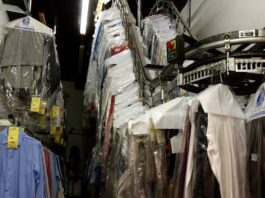
Washing and mending only do half the job. If you want your wardrobe to last, you have to master the art of storage. Clothes that sit in a closet for months need to be shielded from three things: sunlight, moisture, and moths. Ignore these, and you’ll find holes in your woolens or mildew on your leather.
Here is how to actually keep your clothes in shape.
Basic Garment Maintenance
Start with the small things. They add up. When you buy a new shirt, dab a tiny amount of clear nail polish on the center of each button. It seals the thread. You stop it from unraveling after the first wash.
Lint is annoying. Fix it fast. Wrap tape around your finger, sticky side out, and dab the fabric. If you want a reusable tool, roll up an old magazine and wrap wide adhesive tape around it. Same sticky side out. It works just as well.
When you brush dust off a jacket, always brush with the nap. Going against it just pushes the dust deeper into the fibers.
Zippers stick? Rub the teeth with a candle stub. The wax keeps them sliding.
Got a wrinkled shirt for a meeting? Run hot water in the tub. Hang the garment on the shower rod. The steam does the work. You don’t need an iron.
Seasonal Storage Strategies
Wool sweaters and heirloom pieces need more than just a shelf. Proper storage means no moth holes. No mildew. No replacements.
Killing Moths Naturally
New plastic garbage cans make excellent airtight storage bins. If your clothes are freshly cleaned and the bin is sealed, you don’t need mothballs. The airtight seal is what matters.
If you have a cedar closet, check the smell. If it’s gone, sand the surfaces lightly. Sanding opens the wood pores. It releases fresh cedar oil. Cedar repels moths. It does not kill them.
That’s why you must clean everything before storing. Moth eggs hide in dirty fibers. Sanding cedar helps, but cleaning clothes is non-negotiable.
Place mothproofing products high up. The fumes filter downward. If you put them on the floor, they won’t protect the sweaters on the top shelf.
Blocking Moisture
Mildew thrives in dampness. Prevent it.
For leather purses, crumple newspaper inside. Leave the clasp unfastened. The paper absorbs moisture and holds the shape.
In humid climates, corrugated cardboard boxes are risky. They absorb water. If you must use them, coat the inside with shellac. It creates a moisture barrier.
Shoe Care Hacks
Shoes take a beating. A little prep goes a long way.
Frayed shoelaces? Dip the tips in clear nail polish. It stiffens them. Makes lacing easier. Keeps them from rotting.
Scuff marks on shoes? Make a paste with baking soda and water. Rub it in. Wipe off. It lifts the scuff without damaging the material.
Shine leather with petroleum jelly. Apply with a soft cloth. Wipe off the excess. Buff with a clean cloth. It shines better than most commercial polishes.
Furniture polish works too. Spray it on. Buff dry.
Pre-Treating Canvas Shoes
Spray new fabric tennis shoes with a light coat of spray starch. Before wearing them. It prevents dirt from embedding in the canvas. You can wipe them clean later.
Clean rubber soles with baking soda. Sprinkle it on a sponge or washcloth. Scrub the rubber. It brightens up the sole.
Black or tan leather? Use lemon juice. Apply with a soft cloth. It cleans and shines.
Keeping Odor and Shine
Want to keep shoes shiny after polishing? Spray them with hair spray. It acts as a sealant.
Smelly shoes? Sprinkle salt inside. Let it sit overnight. Salt absorbs moisture. Moisture causes smell.
For persistent foot odor, use baking soda. It controls both odor and moisture.
Winter boots get salt stains. Clean them with a mix of one cup water and one tablespoon vinegar. Works on leather and vinyl. Wipe with a cloth.
Patent leather needs vinegar too. Dip a soft cloth in vinegar. Wipe the surface. It restores the shine.
Hand lotion can shine shoes. Put a dab on each shoe. Rub with your fingers. Buff it out. It’s a quick fix when you’re out of polish.
Bottom Line
Storage isn’t just about putting things away. It’s about protection. Seal buttons. Block moisture. Repel moths. Treat your shoes before they fail.
You save money. You wear better clothes. That’s the real ROI.
Ready for a bigger upgrade? Check front-loading washer reviews and compare prices at Consumer Guide Products. A good washer makes all this care easier.