You want a quiet evening on the patio. You don’t get one. The mosquitoes arrive. It’s a classic scene. So you reach for the bug zapper. It’s a common instinct. The device hums. The UV light glows. You feel like you’re winning.
Here is the problem. That device is likely useless for your specific annoyance.
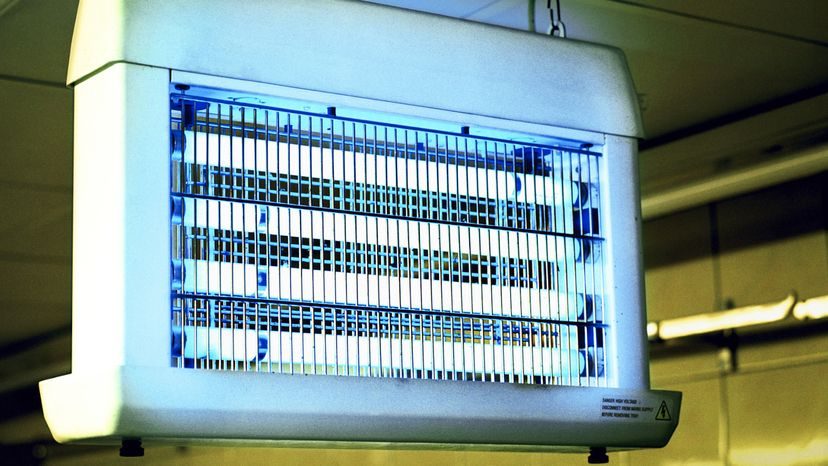
Traditional bug zappers, formally known as electronic insect-control systems, rely on ultraviolet, neon, or mercury lighting to lure pests. The logic seems sound. Insects like light. They fly toward it. Once they touch the electrified mesh, a transformer boosts 12-volt current to over 2,000 volts. The bug completes the circuit. It gets zapped.
These machines can kill more than 10,000 insects in a single night. That sounds impressive. But they aren’t killing the bugs you care about.
The Data Behind the Zap
Timothy Frick and Douglas Tallamy from the University of Delaware decided to test this. They analyzed 14,000 insects collected from six different bug zappers across Newark, Delaware.
The results were stark.
Only 31 of those 14,000 insects were biting gnats or mosquitoes. That is less than one-quarter of one percent.
Mosquitoes simply do not respond to ultraviolet light the way other insects do. They are not drawn to it. So while your zapper is busy murdering moths and harmless beetles, the mosquitoes are flying right past it. They are hanging around you.
There is an ecological cost to this inefficiency, too. You are wiping out beneficial insects. Non-harmful bugs play a role in the food web. Zappers don’t pick and choose. They kill indiscriminately.
How to Actually Target Mosquitoes
If you want to reduce the mosquito population in your yard, you need a different approach. The standard UV zapper is not the answer.
Some electronic systems are designed specifically for this pest. They move beyond simple light traps. These units emit octenol and carbon dioxide.
Think about how mosquitoes find you. They track the carbon dioxide in your breath and sweat. They also respond to certain pheromones like octenol. By releasing these chemicals, these specialized attractants mimic a human host. The mosquitoes come to you. Then the trap kills them.
This method targets the behavior of the mosquito. It does not just spray the dark with electricity and hope for the best.
Alternatives to the Electric Grid
You don’t have to buy a new machine if you don’t want to. There are other ways to manage the bite.
Pesticides remain an option. You can cut down the population directly with chemical treatments. This is effective but comes with its own set of environmental considerations.
If you prefer a softer touch, repellents work by keeping the bugs away rather than killing them. You have choices here. Sprays for your skin are common. Citronella candles or torches are a classic choice for the picnic table. They create a barrier.
The goal is to enjoy the outdoors. Don’t let the pests turn your yard into a no-go zone. But don’t waste money or energy on a zapper if it isn’t solving your problem. Check what attracts the bug. Then pick the tool that matches.
Frequently Asked Questions
Are there any bug zappers that are effective against mosquitoes?
Yes. Look for units that emit octenol and carbon dioxide. These chemicals target the mosquito’s primary senses, making them far more effective than standard UV-light models.
Can bug zappers reduce the overall mosquito population in an area?
Generally, no. Standard bug zappers do not attract mosquitoes effectively. They kill mostly other insects. They rarely make a dent in the local mosquito count.