
Most Americans ring in the new year with fireworks, champagne, and a weary chorus of Auld Lang Syne. It is loud. It is messy. It is standard.
There is a quieter, sweeter alternative that requires less pyrotechnics and more precision. It comes from Spain. The tradition is simple. You eat twelve grapes. One for each chime of the clock at midnight.
It is not just about snacking. It is a ritual for good luck in the coming year.
Why Twelve Grapes?
The custom dates back to 1895. Fruit growers in Alicante needed a way to offload a surplus harvest. They marketed the idea to Madrid residents as a symbol of prosperity. Each grape represents a month. Success with the grapes means good fortune for that month. Struggle to swallow them? Bad luck likely follows.
It sounds superstitious. It is. But it works as a social icebreaker.
Setting the Table for Success
You do not need a fancy setup. You need timing.
- Select the right grapes. Small, seedless varieties are non-negotiable. You need to fit them in your mouth quickly. Thompson seedless or similar table grapes work best.
- Prepare the wine. Have chilled champagne or cava ready. The two complement each other.
- Arrange the timing. Place a plate with twelve grapes in front of each guest. Do not give them the wine yet.
The Execution
Watch the clock. Count down the final seconds.
At the stroke of midnight, you eat one grape per chime. The rhythm is fast. It is frantic. It is fun.
“It looks lovely to set out champagne flutes along with grapes for company to enjoy at the stroke of midnight.”
Most people choke. Everyone laughs. The tension breaks. The year begins with a shared, slightly absurd experience.
Why This Works for DIY Homeowners
Homeowners often obsess over structural renovations. Fixing a foundation. Replacing a roof. These are serious tasks. They require permits and pros.
This ritual requires nothing. It is low cost. Zero tools. No safety gear. Just fruit and a clock.
It shifts the focus from external improvements to internal connection. The house remains unchanged. The atmosphere shifts.
Practical Considerations
- Staining: Grape juice stains. White linens are risky. Use dark plates or plastic cups if you are worried about cleaning.
- Choking hazards: Supervise children. Small children should not attempt the full twelve. Give them fewer. Or just let them eat them slowly throughout the evening.
- Variations: Some people pair the grapes with a specific wish for each month. Write them down. Keep them hidden. Reveal them in January.
It is not complicated. It is not expensive. It does not require a contractor.
The grapes will arrive in boxes. They will sit on your counter. You will cut them open. You will eat them at midnight.
Or you won’t. You might just eat them for dinner. That works too.
The luck is in the attempt.
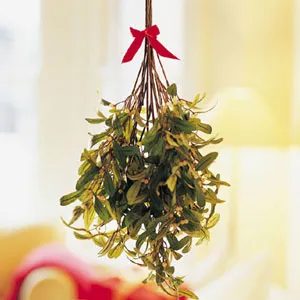
French New Year’s Eve Tradition: The Mistletoe Kiss
Forget the Christmas tree. If you want to inject a bit of Parisian flair into your New Year’s Eve party, look to the doorway. In France, hanging mistletoe is a specific tradition for ringing in the new year, not just for winter holidays. It adds a touch of elegance and romance to the countdown.
How to Incorporate Mistletoe Into Your NYE Decor
This isn’t about the aggressive kissing booth vibe of American Christmas decor. It’s subtler. Think Midnight in Paris. You hang the sprigs to encourage a romantic start to 2024.
What you need:
– Fresh or dried mistletoe bunches
– Clear fishing line or thin ribbon
– Adhesive hooks for doorframes
Where to hang it:
Directly above the entrance to your main party room. Or frame your kitchen island. It becomes a natural spot for guests to gather as the clock strikes twelve. The tradition suggests that anyone standing under it at midnight shares a kiss. It’s a simple icebreaker. It breaks the tension of a crowded room.
Why This Works for Homeowners
You don’t need a massive budget. Mistletoe is inexpensive. You can buy it at most grocery stores or craft shops in December. It requires no installation skills. Just tie it up. The visual impact is high for zero effort.
If you’re doing DIY decor, this fits right in. It pairs well with silver and gold accents. Add some string lights nearby. The glow on the green leaves looks expensive. It doesn’t look cheap.
Which Mistletoe to Choose
Not all greenery is created equal. Look for sprigs with white berries. They pop against dark doorframes. Avoid plastic versions if you can help it. Real mistletoe smells earthy. Plastic smells like dust.
For a cleaner look, skip the glue. Use small nails or tension rods. If you rent, stick to adhesive hooks that leave no marks. You’ll thank yourself in January when you move out.
Is it actually French? Yes. It’s tied to beliefs about fertility and good luck for the coming year. A kiss under it ensures prosperity. Or at least a good memory.
The point is simple. Change the context. Move it from Christmas to New Year’s. Suddenly, it’s not cliché. It’s chic.
Start hanging it now. Let it sit there as the calendar flips. When the champagne runs out, the mistletoe remains. A quiet reminder of where the night began.
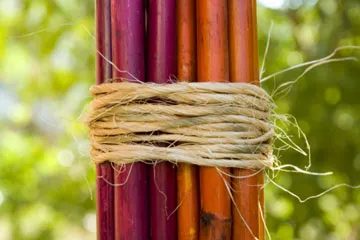
Why Japan Hangs Kadomatsu at the Door
In Japan, families create arrangements of pine, bamboo and plum branches tied with straw by the door to welcome good spirits into the home in the new year. This tradition is called Kadomatsu.
The setup usually appears right before January first. Homeowners place these decorations on both sides of the entrance. The goal is simple. They want to invite the Toshigami. This is the god of the new year. The spirit brings prosperity and health for the coming months.
The Meaning Behind the Materials
Each component has a specific job. The pine represents longevity. It stays green all year. It shows endurance. The bamboo stands for growth. It shoots up quickly. It suggests a strong start. The plum blossoms add a layer of resilience. They bloom in the cold. They prove that beauty can survive hardship.
Straw ties them together. This material connects the physical items to spiritual energy. It grounds the arrangement. It makes the entryway a sacred space.
How to Set It Up Safely
If you try this yourself, start with fresh branches. Freshness matters. The energy feels more vibrant. Cut the pine and bamboo at a slant. This helps water absorption if you keep them in water. Trim the plum branches to fit your door frame.
Tie them tightly. Use natural fiber rope. Synthetic materials might break the tradition’s intent. Check the stability. A falling arrangement looks bad. It also blocks the path. Safety first. Keep the doorway clear for guests and family.
Where to Place Kadomatsu
Most homes put them on the left and right of the main entry. Some apartments use smaller versions near the front door. The placement matters. It signals to the spirit where to enter. A cluttered entrance confuses the god. Clear the space. Sweep the steps. Make way for the good stuff.
Does the tradition work if you skip one branch? Probably not. The balance feels off. The symbolism relies on the trio. Pine for life. Bamboo for growth. Plum for perseverance. All three needed.
Modern Variations
City dwellers might lack space. They use pot plants instead. Small bonsai pines work well. They fit in corners. They still send the right message. The key is the intention. You are opening your home to positive energy.
The ritual ends after the first week of January. Some people leave it up for the whole month. Others take it down quickly. The timing varies by region. But the purpose stays the same. Welcome the new year with open arms and clear doors.
You might wonder about the smell. It’s crisp. Like wood and earth. It changes the vibe of the hallway. Feels intentional. Feels prepared.

The Star on the Snow
There is a specific kind of geometry to a Russian New Year tree. It isn’t just about pretty lights. It is about density. You don’t skim the surface. You pack it.
The tradition calls for a Novogodnaya Yolka. That is the tree. Any fir works. Pine works too. Spruce is the gold standard if you can find it, but a sturdy pine from the lot is fine. The key is the branches. They need to be full. If your tree looks thin, you will end up with gaps that scream “modern minimalist.” That is not the goal. The goal is clutter. Controlled, beautiful clutter.
Start with the candy. This isn’t store-bought chocolate wrapped in gold foil. This is hard candy. The kind you crack with your teeth. Novogodnaya Yolka decorations often feature handmade glass baubles, but candy is the authentic anchor.
Strip the wrappers. Twist the candy into clusters. Hang them by the stems or use clear fishing line. You want them to look like fruit. Or snow. It doesn’t matter. What matters is the color. Red. Blue. Green. White. No yellow. Yellow is for Easter. Don’t mix them.
Then comes the star.
In the Soviet era, the religious cross was banned. The state replaced it with a star. A five-pointed one. Usually made of foil or glass. It sat at the very top. It wasn’t just a topper. It was a statement.
You can buy a replica. Or you can make one.
Building the Star
Grab a piece of cardboard. Thick cardboard. A cereal box won’t cut it. You need structural integrity.
- Trace a circle.
- Cut it out.
- Fold the edges down to create a shallow bowl shape.
- Cover it in red foil. Or gold. Red is traditional. Gold is regal.
Now the points.
Cut five triangles. They should be long. Pointy. Attach them to the base. Use hot glue. It sets fast. If you slip, you have seconds to fix it before it hardens.
“The star must catch the light. It is the eye of the storm.”
If you don’t have foil, use painted paper. Matte red paint. Let it dry completely. Shine it with a thin layer of varnish. You want it to gleam under the overhead lights.
Hanging the Weight
Candy is light. Glass is heavy. If you use glass ornaments, you need thick branches. Test the weight first. Place an ornament on a lower branch. Does it sag? Move the ornament up. Higher branches are stronger.
Use wire hangers, not the little plastic caps that come with most store-bought baubles. Plastic caps snap. They break. They fall. Wire wraps around the branch. It holds. It lasts.
Color balance is everything.
Do not put all the red ornaments on one side. Do not cluster all the blue on the other. Distribute them. Every section needs a mix. Red. Blue. Green. White. Silver.
If you have gold stars as ornaments, scatter them. One here. One there. They act as punctuation.
The Top-Down Approach
Start at the top.
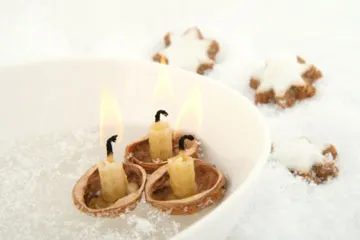
Channeling Rio’s Iemanja Rituals
It’s not just about aesthetics. It’s about atmosphere. In Rio de Janeiro, the streets fill with people heading to the shore. They don’t bring alcohol or loud music. They bring paper boats. Each one holds a lit candle and a small offering. The goal is simple. Send these flames out to sea. Iemanja, the Yoruba goddess of the ocean, receives them. It is a moment of reverence. A quiet tribute to the water.
You don’t need to fly to Brazil to borrow this energy. You can bring the essence of the ritual into your own home. Or your backyard party. The trick is in the simplicity. And the safety.
The Setup: Safety First
Floating candles are pretty. They are also a fire hazard if you aren’t careful. Water conducts electricity. It spreads fire. So, start with the right materials.
- Candles : Use floating candles. These are hollow or weighted to sit upright. You can find them in most craft stores or online.
- Container : A large bowl. Glass is nice but risky if it cracks. Plastic or metal is safer for outdoors. If indoors, use a non-flammable surface.
- Water : Clean water. No debris. Debris can tip the boats.
“The goal is reverence, not a bonfire in your living room.”
Building the Paper Boats
This is the DIY part. It’s quick. It’s tactile. It makes guests feel involved.
- Fold the paper : Use waterproof paper if you have it. Regular paper works for a short time but will soak through. Fold it into a small boat shape. Think origami. Simple triangles work.
- Add the candle : Place the floating candle in the center.
- Light it : Do this right before placing it in the water. Do not leave a tray of lit candles unattended.
Adding the “Brazilian” Touch
The ritual in Rio includes more than just candles. It includes offerings. Flowers. Fruit. Perfume. You don’t need to replicate it exactly. But a hint adds depth.
- Flowers : White roses or lilies. They float well. They smell good. They look elegant.
- Fruit : Sliced oranges or lemons. They add color. They repel mosquitoes too. A practical bonus.
- Perfume : A few drops of sandalwood or jasmine. Don’t overdo it. You want a subtle scent. Not a chemical explosion.
Where to Place Them
Indoors? On a coffee table. Outside? In a koi pond or a large planter. Avoid direct sunlight if the water is shallow. Heat can crack glass bowls.
If you’re hosting a party, create a station. Let guests fold their own boats. It’s an icebreaker. It gets people talking. It slows things down. In a world of fast scrolling and quick drinks, this is a moment to pause. To watch the flames flicker. To feel a connection to something older than Instagram.
Why It Works
It’s not just decoration. It’s participation. Guests aren’t just watching a display. They’re making it. They’re adding their own candle. Their own prayer. Their own hope.

The Danish Porcelain Tradition
You probably think New Year’s Eve is all about champagne and countdowns. In Denmark, it’s about china.
It’s an old-school custom. People stack plates on friends’ doorsteps overnight. The more broken shards on your lawn by morning, the luckier you’ll be. It’s loud. It’s messy. It’s brilliant.
If you want to bring that specific Danish flair to your own party, you don’t need to wait for January 1st.
How to Fake the “Porcelain Pile”
You don’t need to actually smash valuable heirlooms. That’s just bad home decor.
Use old dishes. Chipped mugs. Cracked plates. The ones you’ve been meaning to toss for years.
Here is how to execute it without losing your security deposit:
- Source the debris: Check your recycling bin. Visit a thrift store. Ask neighbors for their broken ceramic stock.
- Prep the surface: Lay down a tarp if you’re outdoors. Indoors? Use a large sheet or plastic tablecloth. You don’t want shards in your grout.
- Arrange intentionally: Scatter them loosely. Don’t make it look like an accident. Make it look like a celebration.
- Safety first: Wear gloves when handling sharp edges. Broken ceramic cuts deep.
Why It Works
It’s social. It’s interactive. Guests will laugh. They’ll point at the mess. They’ll ask where you got the “antique” collection.
It breaks the ice. Literally.
Decor Tips
If you don’t want a full pile, try a compromise.
Use one broken plate as a centerpiece. Place it in the middle of your dining table. Surround it with candles. The contrast between the rough ceramic and the soft light works.
Or, string broken pieces into a garland. It’s quirky. It’s unique. It’s definitely not cookie-cutter.
The Morning After
In Copenhagen, people wake up to find their thresholds piled high. It’s a community thing. You leave your plate. You take someone else’s.
At home? You clean up.
It’s a quick process. Sweep. Vacuum. Wipe down.
Then you start the year with a clean slate. And a funny story.
What About Safety?
Porcelain is sharp.
If you have kids, keep the fragments out of reach until the party starts. Or use fake shards. Plastic plates cut with a kitchen knife can mimic the look.
Real ceramic looks better in photos, though.
The Verdict
It’s not for everyone. Some people hate clutter. Some people hate noise.
But if you want your New Year’s Eve to stick in people’s minds, go Danish.
Stack the plates. Ring the bells. Make the mess.
Just make sure you have a broom handy.
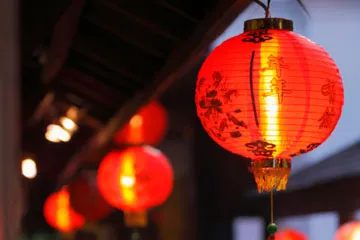
The U.S. calendar might lag behind, but that doesn’t stop you from bringing the festive energy inside. You can still deck out your home with traditional Chinese accents without waiting for the specific lunar date. It’s about the vibe. And the vibe is all about Chinese New Year home decor.
Paper lanterns are the obvious choice. They’re cheap, lightweight, and instantly transform a space. Hang them in clusters. Vary the heights. Red is the standard, but gold and orange work too if you’re keeping things subtle.
Then there’s the fish motif. In Chinese culture, fish symbolize good luck and abundance. The word for fish (yu ) sounds like the word for surplus. It’s a linguistic pun that has stuck for centuries. Hang a fish-themed decoration on your wall or use it as a centerpiece.
You don’t need a master craftsman to pull this off. Grab some red tissue paper. Fold it into an accordion. Glue the ends to a wire frame. Boom. Lantern. Simple.
For the fish, look for printable templates online. Cut them out. Laminate them if you want them to last past the holiday. String them up along a mantel. Or just lean one against a bookshelf.
Why These Symbols Matter
It’s not just aesthetic. It’s cultural. These decorations carry weight. They aren’t just pretty objects. They’re wishes for the coming year.
Good luck. Abundance. Prosperity.
When you hang that lantern, you’re inviting light into the dark winter months. When you display the fish, you’re signaling a desire for plenty. It’s a way to set intentions through decor.
Where to Source Materials
You can hit up any craft store. Look in the seasonal aisle. If that’s empty, check the party supply section. Red and gold are your friends.
Online marketplaces have endless options. Search for paper lanterns bulk. Search for Chinese New Year wall decals. The latter is easier if you hate glue.
If you’re feeling ambitious, buy raw materials. Red paper. Wire. Glue. Scissors. Build it yourself. It takes an afternoon. But the result is uniquely yours. And it tastes better than store-bought.
How to Style Without Clutter
Don’t overdo it. A single large lantern in the center of the table works. Or two flanking a doorway. Too many small ones can look messy.
Fish decorations work best in groups. Three or five. Odd numbers are considered lucky in many Asian cultures. Avoid even numbers. It’s a small detail. But details matter.
Pair them with fresh flowers. Bamboo. Pine branches. Keep the greenery natural. Let the red and gold pop against the neutral tones of your home.
Safety First
If you use real candles inside paper lanterns, be careful. Paper burns. Use LED tea lights instead. They last longer. They don’t drip wax. They’re safer.
Check the wires on any electric decorations. Frayed cords are a fire hazard. Especially when hanging them near curtains or upholstery.
Keep decorations away from heat sources. Radiators. Fireplaces. Stoves. Simple stuff. But worth mentioning.
Final Thoughts
You don’t need the exact date to celebrate. You just need the intention. Decorate
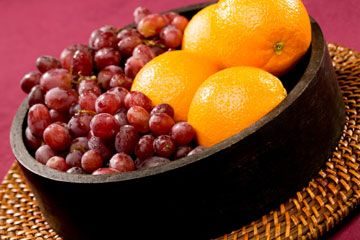
Why round shapes dominate Philippine New Year traditions
In the Philippines, the New Year isn’t just about fireworks. It’s about geometry. Specifically, circles.
You will see them everywhere. On the table. In the closet. On the walls. The rule is simple. If it is round, it belongs in your celebration. The logic is straightforward. Circles look like coins. And coins mean money.
This tradition is less about luck and more about symbolism. It is a visual request for prosperity.
The 12 Fruits Strategy
Most Filipino households follow a specific ritual with fruits. You need twelve distinct types.
They represent the twelve months. Each fruit stands for one month of the coming year. The goal is to have them all on display at midnight.
Which fruits do you pick?
- Oranges
- Apples
- Grapes
- Strawberries
- Watermelon
- Mangoes
- Pears
- Plums
The color matters too. Red and gold are standard. They reinforce the idea of wealth. Grapes are essential. Their round, clustered shape is the ultimate symbol of abundance.
Polka Dots and Round Decor
It is not just about food. You need to extend the theme to your home.
Use polka dot patterns. They work on plates. They work on napkins. They work on curtains. The repeating circle pattern keeps the energy of wealth flowing.
- Tablecloths with large dots
- Plates with rim designs
- Candles in round holders
This is DIY friendly. If you have plain white paper plates, draw circles on them. Use a marker. Make them bold. It takes five minutes. It fits the theme.
Practical Setup Tips
Start early. The preparation is part of the ritual.
- Buy early. Fresh fruit sells out.
- Check freshness. You want them to last until midnight.
- Arrange for height. Use a tiered stand. It looks better. It draws the eye.
Safety note. Keep the fruit away from heat sources. Candles are part of the decor but not the food.
The Psychology of the Circle
Why does this work for homeowners? It changes the vibe of the room.
A round table feels more communal. You can reach anyone. It removes hierarchy. It also feels abundant. A flat line feels empty. A circle feels full.
This is not superstition. It is visual psychology. You are setting a mindset.
When the clock strikes twelve, look at your table. Count the fruits. Twelve. Perfect.
The year starts with abundance. Even if you only have four types. You still follow the rule. You still make the wish.
The coins are round. The moon is round. The earth is round.
We are just copying nature.
There is no downside to having extra apples. They are cheap. They taste good. And they make the table look like a bank vault.
So buy the dots. Cut the fruit. Wait for midnight.