Tom Hanks spent a decade watching his mansion in The Money Pit crumble around him. Staircases collapsed. Chimneys fell in. It was a comedy, sure. But it highlighted a basic truth about real estate. Never buy property without doing your homework.
This applies to empty land too.
A vacant lot isn’t just a house waiting to happen. It’s a complex decision. You might build your own home. You might hold it as an investment. Or you could start a business. But before you sign anything, you need to understand what you’re actually buying. There are restrictions you don’t face with a finished house. Sometimes, you can’t build at all.
Here are ten things to check before you invest in land.
10: Location
Where the land sits determines everything. It’s not just about the view. It’s about access. It’s about neighbors. It’s about zoning laws that might change next year.
If you buy a house, the location is usually fixed. Roads are paved. Utilities are connected. With a vacant lot, you’re often starting from zero. You need to know if the location can support what you want to build. Is it in a flood zone? Is it in a wildfire-prone area? These aren’t minor details. They’re deal-breakers.
Check the local planning department. Look at the comprehensive plan. See what’s approved for that zone. Don’t assume you can build a mansion on a piece of forest. Don’t assume you can put a factory in a residential pocket. The location dictates your options. And if you get it wrong, you’re stuck with dirt.
Location isn’t just a cliché. It’s the single biggest factor in whether your land purchase pays off or becomes a money pit.
If you’re buying for investment, you need resale value. Isolated lots with no demand are dead weight. If you’re starting a business, you need foot traffic. A remote parcel is useless if customers can’t find it. And if you’re building a home, you need to want to live there.
So, before you sign anything, map out your priorities.
Finding the Right Spot
Start with an exploratory drive. Don’t just look at the dirt. Look at the neighborhood. Use online tools to check proximity to schools, your job, grocery stores, and restaurants. You’re not just buying soil. You’re buying into a community.
If both the land and the neighborhood feel right, you’ve likely won.
Business buyers have a harder row to hoe. You need to analyze commercial value carefully. But if you’re serious about opening a shop, you should have already done that homework.
Whatever your goal, remember that costs pile up fast. Even before you pour a single foundation, bills start arriving.
9: Know the Costs Involved
Real estate eats time and money. The more you prepare, the less you’ll bleed cash later.
What’s on the bill?
Title insurance is a major one. It’s not always required, but banks often push for it. It protects you and the lender against liens, encumbrances, or title defects. Think of it as legal armor. If someone claims they own your land, this policy helps fight them off.
Then there’s the land survey. You might get lucky. The previous owner may have a recent survey on file. A quick call to the county or a review of public records can save you hundreds. But if the boundaries are unclear, you’ll need a professional surveyor. Costs vary wildly by region, so don’t expect a flat rate.
Utilities are the silent budget killer.
In many rural or undeveloped areas, electricity and water don’t just appear. You might have to pay to run lines to the lot before you even get service. Need water? You might need to drill a well. Need to wash? You’ll likely need a septic system. These aren’t small expenses.
Investors can skip this pain by selling to builders who handle the hookup. But if you’re building your own home, these are realities you must budget for.
Before you even think about digging, you need to know what the government allows on the property.
Zoning Restrictions
Zoning laws dictate what you can and can’t do.
They’re why you don’t see a Walmart in a suburban backyard or a sewage plant next to a park. These local laws regulate property use. If you buy a vacant lot without checking zoning, you might find out too late that you can’t build a house there at all.
Start with the basics. Many areas are zoned strictly residential. Check your county’s zoning office or their online database. Look up the specific parcel.
But don’t stop there.
Look at long-term land use plans. Check for scheduled road additions or infrastructure projects. A quiet cul-de-sac today might be next to Interstate 10 in ten years if a new highway is planned. Future construction dictates your future peace of mind.
Even if you clear the zoning hurdle, other rules might block your plans. Homeowners’ associations and city ordinances still have a say. They limit what you can build and how you live.
Next, we’ll look at those restrictions.
HOAs and Deed Restrictions
You might think buying a vacant lot is the ultimate freedom. It isn’t.
If the parcel sits inside a developed subdivision, you’re likely looking at an existing community structure. That means a homeowner’s association (HOA). These groups don’t just collect fees. They set the rhythm of life in that neighborhood.
Check the rules before you sign. They often dictate:
- How often you mow the lawn
- Where you can park your vehicles
- What types of pets are allowed
Beyond the HOA, look for covenants or deed restrictions. These are private contracts between the original landowner and you. They differ from public zoning laws because they are binding agreements, not government mandates. They control how you use the property itself.
If you’re within city limits, city ordinances add another layer. Think about garbage removal schedules or noise limits. These are non-negotiable public rules.
It feels restrictive. It can be. But there is a practical upside.
The rules apply to everyone else, too.
If you find a plot with covenants you can tolerate, you gain predictability. Your neighbors are bound to the same standards. Your property values stay protected from chaos.
Utilities
Now comes the hard part. The invisible stuff.
You can fall in love with the view. You can dream about the kitchen layout. But if there is no power, water, or sewer access, you have a hole in the ground.
Assessing utility availability requires specific questions. You need to know exactly what connects to your new home site.
Electricity
Contact the local provider. Ask if the grid reaches your parcel. If it doesn’t, you are looking at extending lines. That costs thousands. You might need a generator setup instead. Plan for that budget now.
Water
Is there a public water line at the street? If not, do you need a well? Drilling a well involves permits, soil testing, and significant capital. You cannot skip this step. A dry well is a total loss.
Sewer
Is the lot connected to the municipal sewer system? Many subdivisions have this. Older rural lots do not. If not, you need a septic system. This requires a percolation test (perc test) to see if the soil absorbs waste correctly. Failing a perc test can kill a deal instantly.
Gas and Internet
Don’t forget the basics. Natural gas lines are not universal. Internet access varies wildly, even in cities. Check for fiber availability. Satellite or fixed wireless might be your only option in remote areas.
Map out each connection. Call the providers. Get written estimates.
The cost of bringing services to a raw lot often surprises people. It can rival the cost of the land itself. Don’t assume it’s included.
Your dream home needs to function. Start with the pipes and wires.
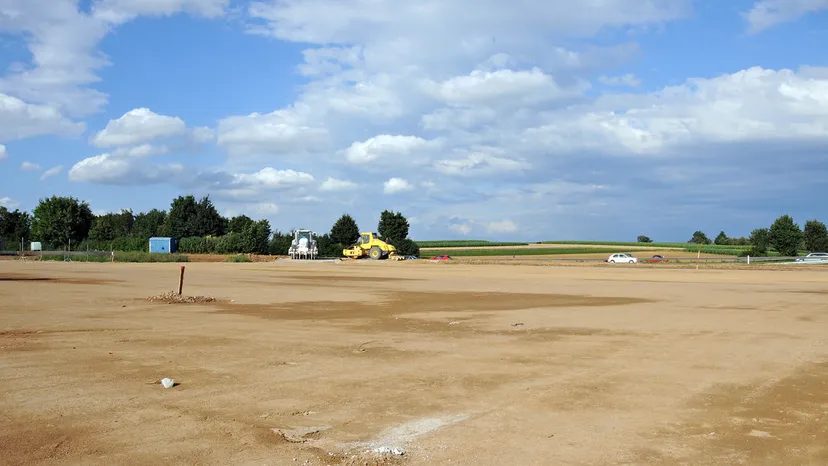
Skip utilities if you’re buying land just to hold it as an asset. For everyone else, skipping that step is a fatal error. You need power. You need heat. You need internet. If you’re building a home or setting up a business, those lines need to hit your property line before the foundation breaks ground. The easiest fix? Find a lot that already has them. It’s rare, but it happens. You get lucky, you save a fortune.
If you don’t get lucky, you’re paying the premium.
Connecting to the grid isn’t just flipping a switch. You deal with the electric co-op. You deal with the phone provider. Gas gets tricky because you have to choose: tank on-site or municipal hook-up? That choice changes your budget and your maintenance schedule for decades.
Water and sewage are worse. If you’re not near the main lines, you’re digging. A well. A septic tank. That’s not just a utility; it’s a permitting nightmare. You need permits to drill. You need permits to bury a tank. You need inspections. It adds cost. It adds time. It adds stress.
Once you solve the pipes and wires, you still have to get there.
5: Road Access
Road access sounds simple. You buy land, you drive on a road.
Wrong.
In the city, this is a non-issue. In the country? It’s a minefield. Rural land is often cut off from public thoroughfares. You might be staring at a paradise of pine trees and creek beds, but if the only way in is over a neighbor’s dirt track, you’re in trouble.
No public road means no public utilities. At least, not easily. You’re back to wells and septic systems. The construction costs spike immediately.
But the bigger issue isn’t the water. It’s the right to enter.
A public road is a guarantee. Rain, snow, fire, flood—you get in. Private roads introduce ambiguity. Who maintains the potholes? What happens if the neighbor decides to block the entrance? If your lot is landlocked, you’re dependent on someone else’s goodwill.
That brings us to the legal framework that keeps you from being stranded.
4: Easements
Easements are where real estate meets law. Merriam-Webster defines it as “an interest in land owned by another that entitles its holder to a specific limited use or enjoyment.”
Translation: You need to cross someone else’s property to get to yours.
You found the spot. The view is insane. The land is flat. But there’s no public street. The only path is across your neighbor’s backyard. You need an easement.
Ideally, you talk to the neighbor. You buy them a six-pack. You agree on a price or a trade. Maybe they let you run a driveway. Maybe they let you bury a power line through the corner of their yard. It’s a negotiation.
But don’t get cozy too fast.
Even if you get along well with your neighbor, drawing up official documentation will allow you to lay out the terms of the agreement and protect yourself from liability.
Verbal agreements vanish. Families fight. Properties sell. Without a recorded easement, your access right is invisible. A real estate lawyer should draft this. They cost money, but they save you from being locked out of your own home five years later.
What if the neighbor says no?
You can’t just drive across their lawn. You have to sue.
You might claim a “way of necessity.” You have to prove in court that without their land, your property is useless. Or you might argue “prior use.” If the previous owner had a driveway across that neighbor’s land, and it was apparent, continuous, and necessary, you might inherit that right.
But if it gets to litigation, hire a lawyer. Do not DIY this.
3: Surveying
You think you know where your property ends. You don’t.
A fence line from 1975 is not a boundary. A tree your grandfather planted is not a survey marker. If you build your house three feet onto the neighbor’s land because you assumed the property line was near the old oak tree, you have a problem. A big one.
Surveying is the process of hiring a licensed professional to physically mark your exact boundaries. It’s not optional. It’s mandatory for financing. Banks won’t lend on a lot without a recent survey.
Why? Because they want to know what they’re collateralizing.
The surveyor puts stakes in the ground. They measure angles. They check against county records. They find discrepancies.
You might find a neighbor’s shed is encroaching on your lot. You might find your planned driveway crosses into the easement zone you thought you had clear rights to. You might find a strip of land you can’t use for building because it’s a wetland buffer.
This costs money. It’s a line item in your budget. But it’s cheaper than tearing down a house you built on the wrong side of the line.
It’s also the only way to know if those “utilities” we talked about earlier are actually accessible. The survey will show if the easement for the power line exists on paper and in reality. It will show if the septic system is far enough from the well to be legal.
Without a survey, you’re guessing. And in real estate, guessing is expensive.
So you’ve got your utilities. You’ve got your access. You’ve got your legal right to enter and cross. And you’ve got the lines drawn in dirt.
Next comes the dirt itself.
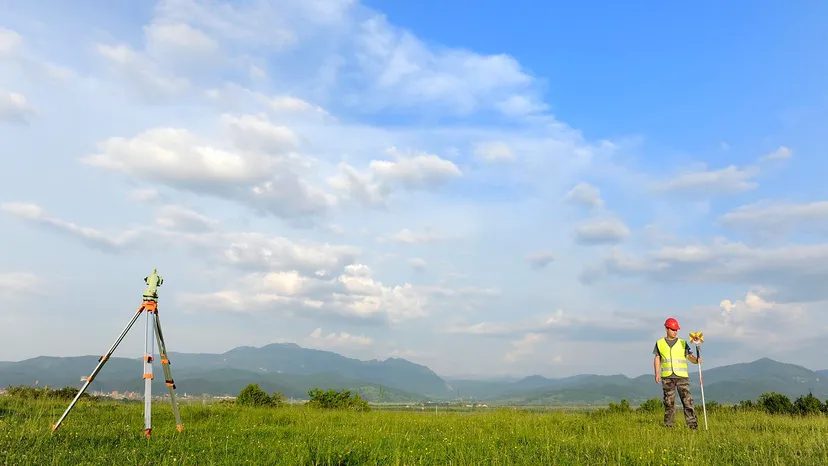
Maps lie. Or at least, they mislead.
When you stare at a plat on a computer screen, those crisp black lines look definitive. They’re not. The paper version of your property rarely matches the dirt on the ground. Trees shift. Soil erodes. Neighbors move fences. That’s why you need a professional survey to verify exact boundaries.
If you’re buying a vacant lot, don’t assume the work is done. A previous survey might exist. It might be buried in the closing paperwork. You might even see iron pins or concrete monuments sticking out of the ground near the corners. These markers are physical proof that someone, at some point, decided where your land ends and the neighbor’s begins.
But here’s the catch: those markers could be wrong. Or worse, they could be old.
The High Cost of Outdated Boundaries
A survey that’s ten years old is essentially useless for modern construction. Rules change. Easements shift. What was legal then might be a trespass lawsuit now.
Getting a new land survey isn’t just about drawing lines in the dirt. It’s about legal protection.
A fresh survey clears up ambiguity before you pour concrete or buy materials.
For a basic boundary survey, you’re paying for precision. The price tag depends on several variables. Is the lot huge? Does it have irregular shapes? How much research does the surveyor need to do with historical plats? Those factors drive the cost up.
But you can go beyond simple boundaries.
Elevation and Flood Risk
Not all surveys measure the same thing.
A construction survey digs deeper. It maps elevation. This is critical if you plan to build. You need to know where the high and low points are. It helps you plan the foundation dimensions. It tells you where water will pool before you spend a dime on drainage.
Then there’s the floodplain survey.
This is the one that keeps you up at night. Flood zones change. Insurance rates spike. Building codes tighten. If you build in a flood zone without knowing it, you’re looking at massive premiums or, worse, total destruction during a storm.
A floodplain survey costs more. But it’s cheaper than rebuilding from scratch.
2: Flooding
So, where does the water go?
This is the next logical step after you’ve established where your land actually is. You can’t design a drainage plan if you don’t know the slope of the land. And you can’t buy insurance if you don’t know the flood risk.
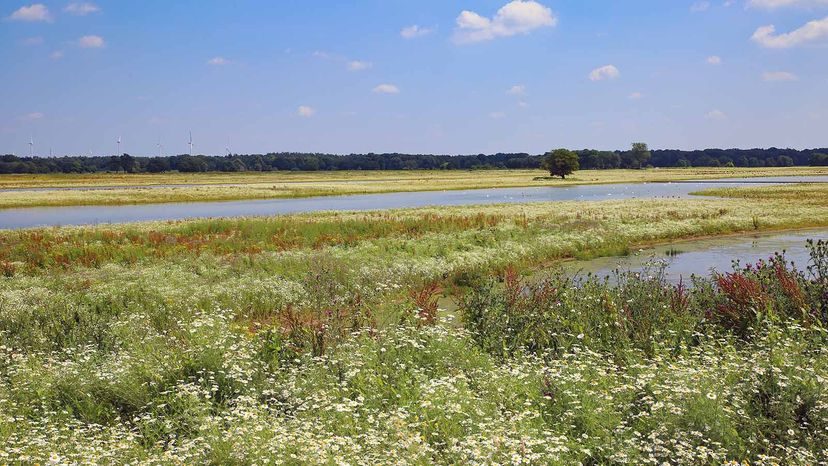
Flooding is a nightmare. It destroys foundations and costs thousands in repairs. You don’t want your future home to become an aquatic hazard. So, how do you check if a lot is safe?
Start with the plats. Old surveys might already show elevation data. They often map out historical flood risks. If those records are missing, hire a surveyor. They know the terrain.
You also need to check FEMA flood zones. The government uses letter codes. Flood Zone A means a 1% annual chance of flooding. Insurance is mandatory here. Avoid this zone if you can.
Look for Flood Zone X or C instead. These are safer. They have less than a 0.2% chance of annual flooding. Less risk means lower premiums and peace of mind.
Once you confirm the land stays dry, you hit the final boss. The bureaucracy. You need permission to build.
1: Building Permits
You can’t just show up with a hammer. Municipalities require permits for almost everything. This isn’t just red tape. It’s safety. It ensures your structure won’t collapse or cause harm to neighbors.
The process varies by county. Some places are fast. Others drag on for months. You must apply before breaking ground.
What do you need?
– A detailed site plan
– Foundation specifications
– Electrical and plumbing schematics
– Proof of insurance
Missing a single document can halt your entire project. Don’t guess. Call the local building department. Ask for a checklist.
Some jobs don’t need permits. Fixing a fence? Maybe. But pouring concrete? You need a permit. Digging a well? Permit. Adding a deck? Permit.
When in doubt, assume you need one. The fine for building without a permit is steep. It can force you to tear down what you built.
Start this process early. Permits take time. Weather waits for no one. Get the approval in writing. Keep a copy on-site.
This step is boring. It’s also non-negotiable. Skip it, and you risk fines or demolition. Do it right, and you’re clear to build.
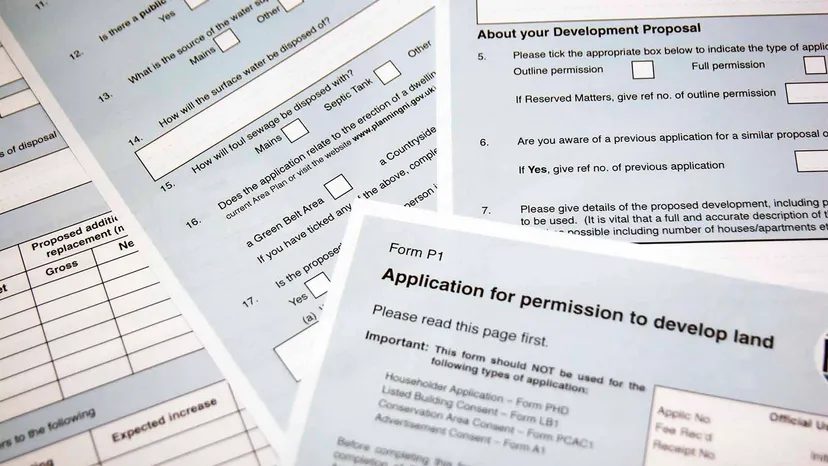
The Permit Reality Check
It is a sad fact of real estate life: just about everything you build requires a permit. You will deal with government zoning before laying a single brick. You will obtain permits for building, permits for burning, and permits for the rest of the endless list. It is a hassle. But permits are not necessarily bad news.
Remember that restrictive covenants protect you from your neighbors’ nasty habits even as they restrict you. Construction permits help protect the land. They keep you honest to building codes. Those codes ensure you cannot haphazardly build a structure that collapses like a house of cards.
Be ready to apply for permits as construction progresses. Need to drill a well? You need a permit. Installing a septic system? Another permit. The process is laden with requirements, from plumbing to electrical work. On the bright side, this paperwork guarantees you have a solid, legal investment. But first, you need that perfect plot. Time to get out there.
Buying Vacant Lot FAQ
What is due diligence when buying land?
Due diligence is simply doing your research. It involves taking precautions before you make a purchase. Engaging a reputable real estate agent is recommended. It ensures you do not skip steps. A real estate lawyer can assist with the long list of checks. Do not try to wing this part.
What should I check before buying land?
Check a number of things before making an offer. Ensure the title is clear. Verify you can legally carry out your plans. Check if it is hooked up to municipal utilities. Soil quality matters. Drainage matters. Road access matters. Zoning restrictions matter.
Is buying vacant land a good investment?
Land ownership can be a great investment. Provided you do your homework. You must avoid the pitfalls. Location, soil quality, drainage, and zoning are key value factors. If you ignore these, you are just buying a problem.
Is it better to buy vacant land first and build later?
Buying land first allows more freedom. You can build later. It likely will not save you money. Check government zoning restrictions. They might prevent you from building your dream home. A house and land package may help save costs. It limits customization. Big developers subdivide large plots. You may not be allowed to build a fence. No pools. No hot tubs. No campfires.
Is building a house cheaper than buying one?
At one time, purchasing a home was cheaper. The National Association of Home Builders 2019 Construction Cost survey tells a different story. The median sales price of an existing single-family home in the U.S. was $485,128. That is the highest in the survey’s history. The average construction cost of a typical single-family home was $296,652. Keep in mind. Construction, labor, land, and materials vary by city.