July is halfway gone. Most gardeners have moved on to harvesting. But if you still want fresh produce before the first frost hits, you aren’t out of time. You just need to pick crops with a short growing cycle.
Some vegetables don’t care that the calendar says summer is winding down. They thrive in the remaining heat. They grow fast. They yield heavily. Here are four options you can sow right now to ensure a late-season payoff.
Green Beans: Speed Over Size
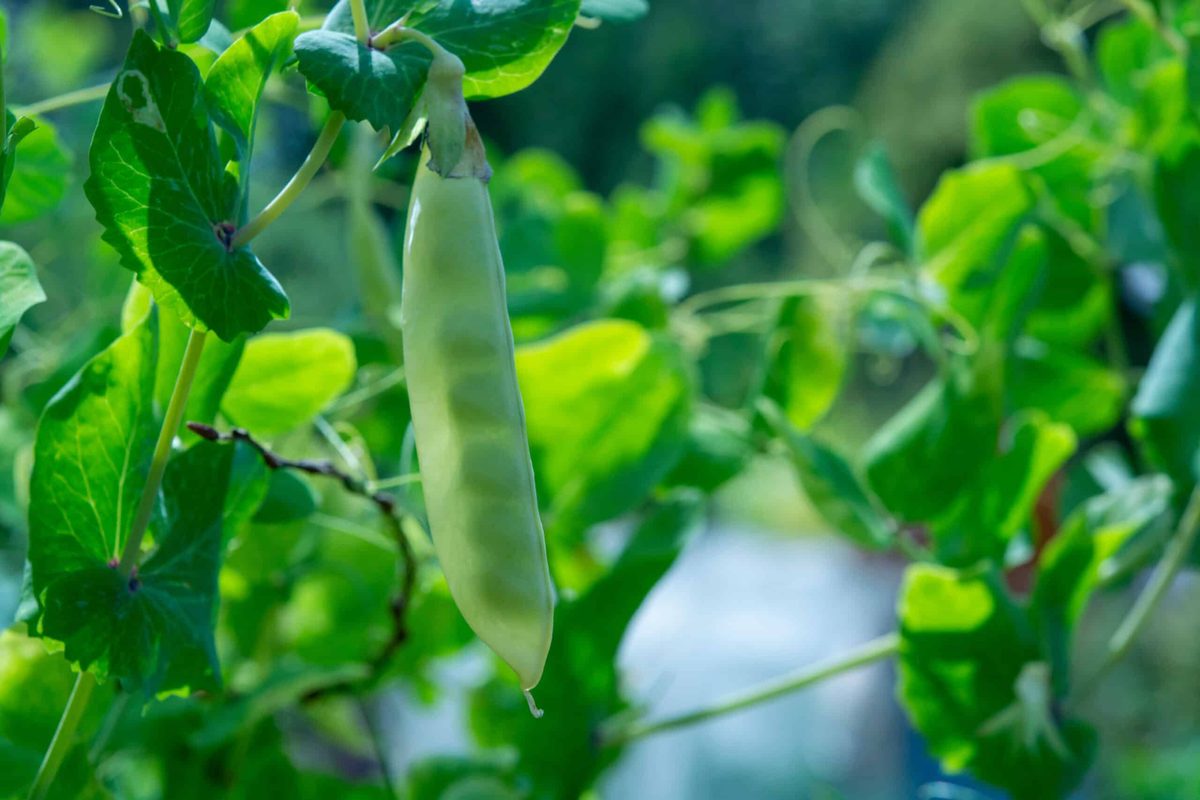
Green beans are the pragmatic choice for late planting. You aren’t planting them for size. You are planting them for speed.
These plants are aggressive growers. They don’t waste energy on vegetative bulk. They focus on pod production. This makes them ideal for a July sowing.
Why choose green beans for a late crop?
- Rapid maturation: You can harvest in 45 to 60 days. That is barely two months. It fits perfectly within the remaining warm weather window.
- Heat tolerance: Unlike lettuce or spinach, green beans love the sun. They feed on the residual summer heat. High temperatures accelerate their growth cycle.
You can direct sow bush varieties for an earlier harvest. Climbing varieties take a bit longer but provide a continuous yield if you pick often. Either way, the soil needs to be warm. Cold soil stalls bean growth. Ensure your ground temperature is at least 60°F (15°C) before digging in.
Prepare your bed with compost. Beans are nitrogen-fixers, so they don’t need heavy feeding. Too much nitrogen actually hurts pod production. Just good drainage and sunlight.
Swiss Chard: The Cold-Hardiness Contender
Next up is Swiss chard. It looks like spinach but behaves differently. It is tougher. It doesn’t bolt as easily when days shorten.
Sowing chard in July gives you a head start. The plants establish roots in the warm soil. As autumn arrives and temperatures drop, the plant switches modes. It doesn’t die. It slows down. It becomes sweeter.
This crop bridges the gap between summer and winter. You can harvest leaves throughout fall. It survives light frosts better than many other leafy greens. If you miss the window for spring chard, this is your second chance.
Radishes: The Quick Fix
Radishes are the speed demons of the vegetable patch. Some varieties mature in just 25 to 30 days.
July is the perfect time to plant spring-type radishes. They grow fast. They like the warmth of early fall soil. Once the heat of August fades, they crisp up.
Plant them in loose, stone-free soil. Dense soil causes forked roots. The result is ugly and tough to eat. Keep the soil consistently moist. Radishes split if they dry out and then get watered heavily.
Harvest them as soon as they look ready. Leaving them in the ground makes them pithy and spicy. Don’t wait. They are ready when the shoulder breaks the soil surface.
Spinach: The Autumn Sweetener
Yes, you can plant spinach in July. It sounds counterintuitive. Spinach is a cool-weather crop. But there is a method to the madness.
If you plant now,
Why July Is Prime Time for Fast-Growing Roots
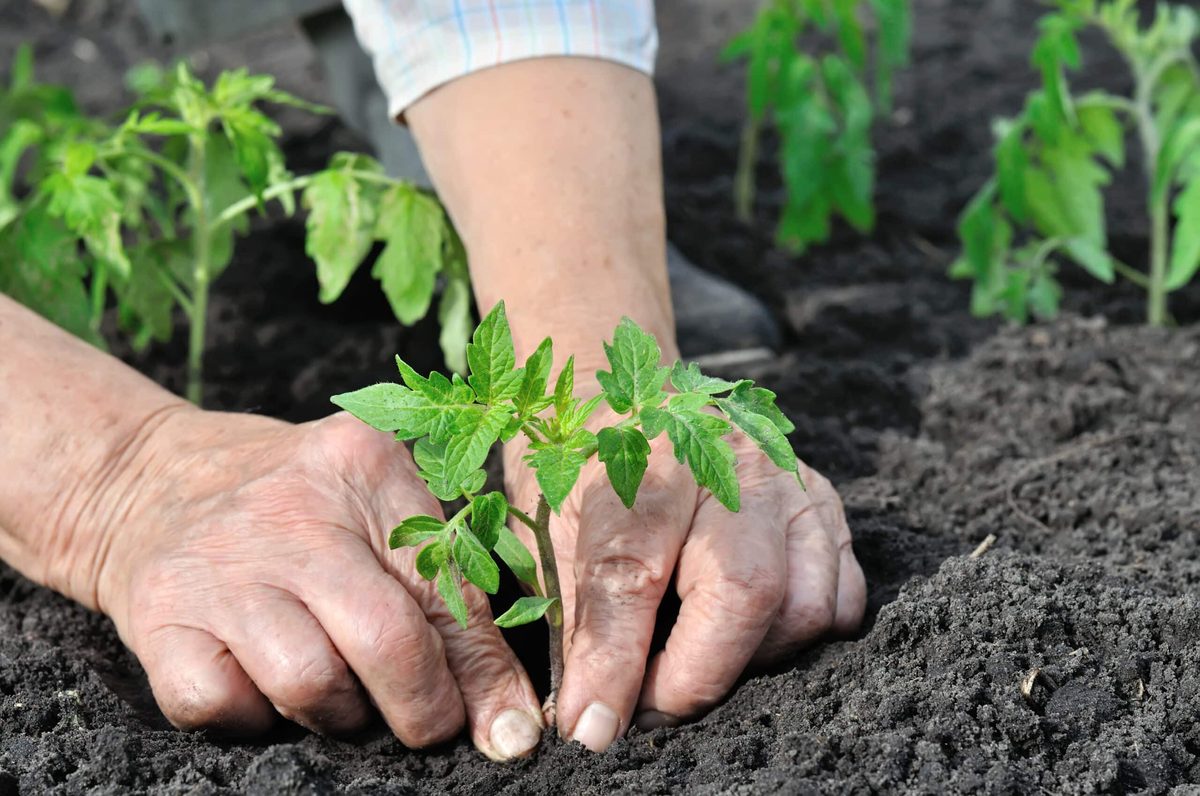
You might think planting in July is a lost cause. It’s not. It’s actually your best window for quick yields before the frost hits. Summer heat can kill delicate greens, but root vegetables? They thrive in it—if you pick the right ones. We are looking at speed here. We are looking at varieties that don’t mind a little warm soil.
Radishes: The Speed Demon
Radishes are the fastest crop you will ever grow. Three weeks? Maybe four. If you plant them in July, you aren’t waiting months. You are harvesting before the days get too short.
Why plant radishes in July?
The main reason is the short cycle. You can squeeze multiple harvests out of one patch. But there is a catch. Heat. Radishes bolt or turn woody if it gets too hot or too dry. July planting works best if you choose heat-tolerant varieties. Look for keywords like “summer” or “spring” on the packet, even if you’re planting in mid-summer.
How to plant radishes for success:
- Soil Prep: Skip the heavy compost. Radishes need loose, well-drained soil. If it’s clay-heavy, your roots will fork and misshape.
- Depth & Spacing: Sow seeds about 1 cm deep. Don’t clump them. Space plants 2-3 cm apart. Yes, they look crowded at first. They will grow fast. You can thin them and eat the baby greens.
- Watering: This is non-negotiable. Keep the soil consistently moist. If the ground dries out, the radishes get spicy and tough. Consistent moisture = sweet, crisp bulbs.
Carrots: The Autumn Reward
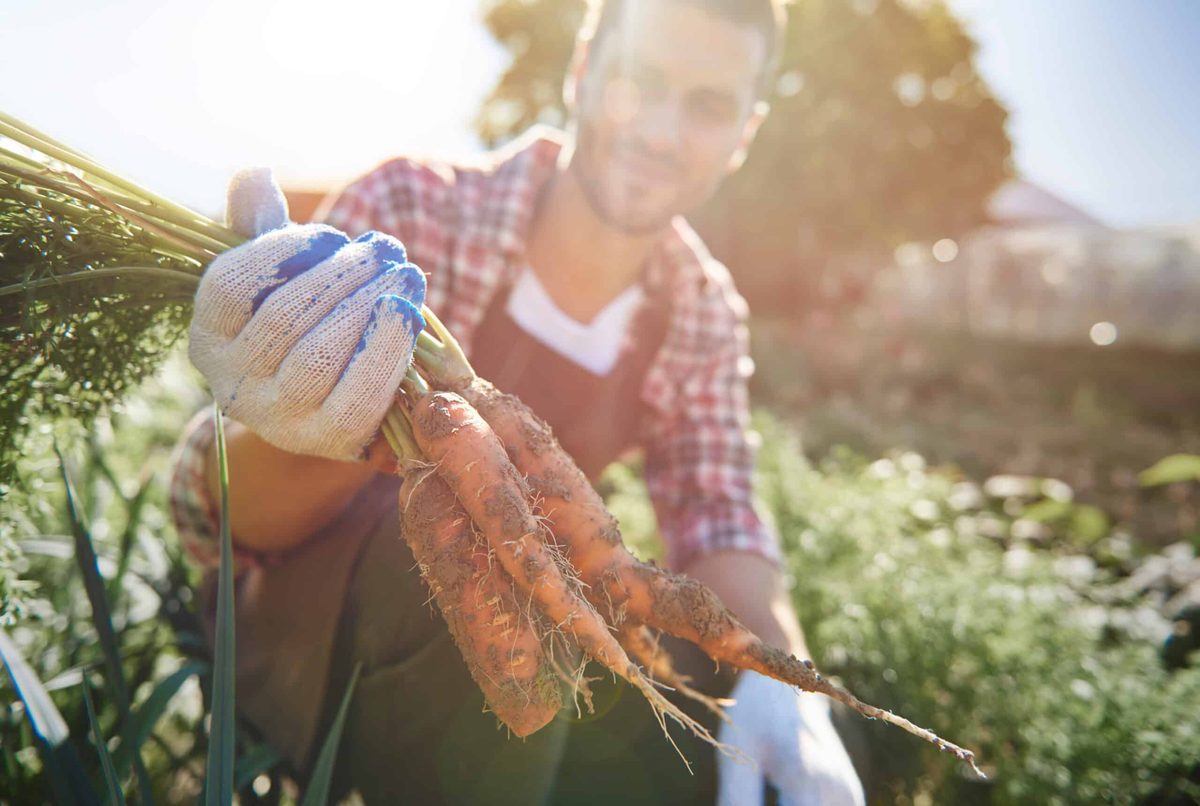
Carrots take longer. You won’t eat them next week. But July planting sets you up for a crunchy, sweet harvest in late autumn. That sugar concentration? It happens as the days shorten and temperatures cool.
Why plant carrots in July?
Warm soil speeds up germination. Long summer days fuel vigorous early growth. By the time autumn arrives, your carrots have established strong roots. They store well. They taste better cold. Perfect for soups, stews, or roasting.
How to plant carrots without losing your mind:
- Soil Structure: This is the hard part. Carrots need loose, stone-free earth. Dig deep. Break up clumps. If your soil is heavy, mix in coarse sand or aged manure. Obstructions cause deformities.
- Depth & Spacing: Sow seeds about 1 cm deep. Space rows 20-30 cm apart. This gives you room to weed and access later.
- Watering: Keep the top layer uniformly moist until germination. Carrot seeds are tiny and need surface moisture to sprout. Once they emerge, water deeply but less frequently to encourage deep rooting.
“Consistent moisture is the difference between a tender radish and a peppery one.”
The July Gardening Mindset
You need to be present. Summer watering is not a set-it-and-forget-it task. Check the soil daily. Finger-test it. If it’s dry an inch down, water.
Tools you’ll need:
*
why zucchini thrives in july heat
zucchini is the definition of a summer powerhouse. Planting them in july isn’t just acceptable. It is ideal. The plants soak up the intense summer sun and explode with productivity. You get the most out of the heat. The yield backs it up.
speed and abundance
the timeline works in your favor. you can harvest about six to eight weeks after sowing. that is fast. once the plants get established they do not stop. they produce continuously until the first frost hits. it is a race against the cold. but you have plenty of time.
planting logistics
start with the soil. it needs to be rich. drainage is non-negotiable. soggy roots kill zucchini faster than pests. bury seeds two to three centimeters deep. give each plant room to breathe. space them sixty to ninety centimeters apart. crowding invites disease. water consistently. keep the soil moist. this is critical during flowering and fruit formation. dry spots mean bitter or misshapen squash.
the late season strategy
july planting is not too late. it is a strategic move. you are aiming for a heavy harvest before autumn sets in. green beans turn quickly. radishes are instant gratification. carrots take longer but fit the window. zucchini adds bulk. mix these crops. maximize the yield. enjoy fresh vegetables from your own garden. the season is ending but the table stays full.