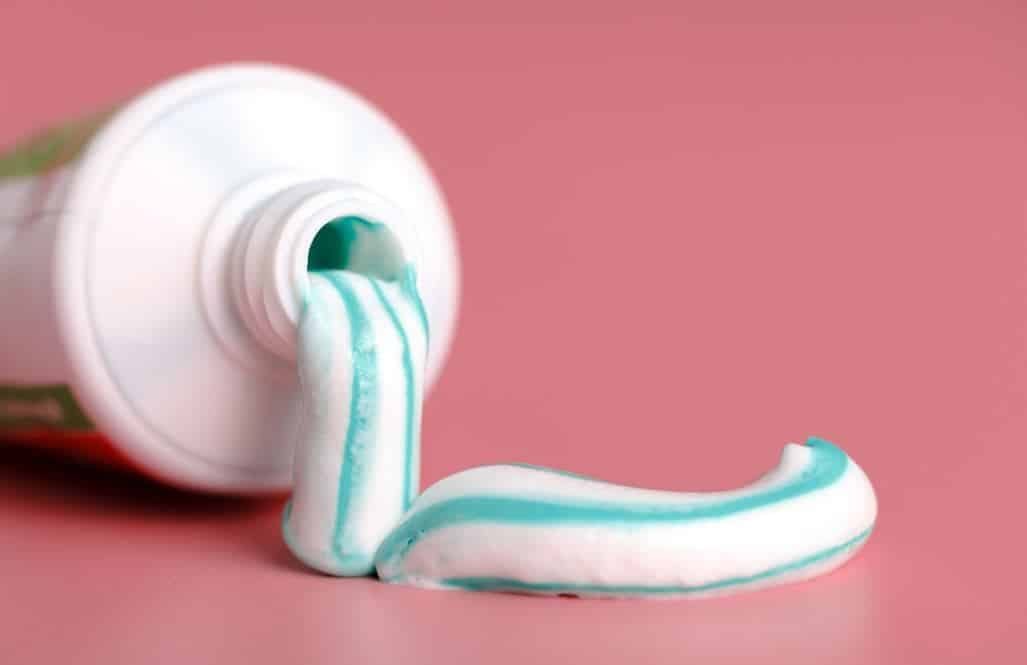
We all know that toothpaste is the first line of defense against plaque. It’s mildly abrasive, designed to scrub tooth enamel without scratching it, and full of fluoride. But the same granular texture that kills bacteria in your mouth makes it surprisingly effective against grime elsewhere in the house.
That sounds weird. Grab a tube of mint gel to scrub the shower tiles? Perhaps. But it works.
Chemistry is simple. Toothpaste contains surfactants and mild abrasives that remove dirt and polish surfaces. It’s gentle enough for sensitive surfaces, yet tough enough to remove years of build-up. You don’t need to buy special cleaning products for every corner of your house. The items in the bathroom cabinet already do half the work.
This is how you use toothpaste to clean the entire house, from the sink to the laundry basket.
Bathroom basics
Toothpaste makes its living in the bathroom. Since it is non-toxic, you don’t have to worry about harsh fumes in a small, poorly ventilated room.
Scrubbing Tile Grout
Dirty grout lines can make a clean bathroom look old. Instead of buying expensive chemical removers, try this.
- Apply a small amount of white toothpaste directly to the grout lines.
- Scrub with an old toothbrush in circular motions.
- Let rest for five minutes.
- Wipe with a damp cloth.
Abrasive particles loosen stains from porous mortar. You can also use it on ceramic tile surfaces. It removes soap scum and hard water stains without scratching the glaze.
Polishing Chrome Brackets
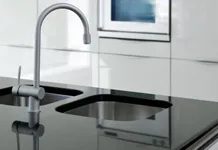
Water stains form on faucets and shower heads over time. Toothpaste restores the shine.
Apply a pea-sized amount to a soft cloth. Rub it into the chrome fixture. Polish until it shines. Rinse with warm water. The result is streak-free and reflective.
Kitchen surprises
The kitchen is more worn than any other room. Toothpaste can handle everyday grime without leaving toxic residues that can contaminate food.
Cleaning White Plates and Bowls
Coffee stains or tomato sauce are often left on chipped enamel or ceramic plates. Toothpaste cleans these surfaces effectively.
Use gel-free toothpaste for better scrubbing power. Spread it on the sponge. Scrub the dirty area. Rinse thoroughly. Light rubbing removes surface stains without damaging the material.
Polishing Stainless Steel
Fingerprints and smudges are immediately visible on stainless steel appliances. A little toothpaste is enough.
Dab the toothpaste onto the microfiber cloth. Rub it in the direction of the grain. Polish it. The result is a cleaner, shinier finish. It is a cheap alternative to special metal polishes.
Cleaning Plastic Containers
Tupperware or plastic lunch boxes absorb odors and stains from spices such as turmeric or curry. Toothpaste neutralizes odors and removes stains.
Mix toothpaste with a little baking soda for extra power. Scrub the inside of the container. Rinse well. The mint scent lasts longer than bleach and leaving your containers smelling fresh.
Laundry and Fabric Care
Yes, you can use toothpaste on clothes. It
You wouldn’t think a tube of minty paste belongs in your cleaning caddy. But it works.
It’s abrasive enough to scrub without scratching. It’s white, so it doesn’t stain. And it’s cheap.
Here is how to use it for five specific household headaches.
Remove Limescale from Faucets and Tiles
Bathroom grime is stubborn. Limescale builds up on faucets and tiles, turning them dull.
Apply a small amount of toothpaste directly to the affected areas. Let it sit for thirty minutes. The delay matters. It gives the mild abrasives time to break down the mineral deposits.
After the wait, take a slightly damp sponge. Use an abrasive side if the buildup is thick. Scrub the surfaces in circular motions.
Rinse thoroughly with clear water.
For a streak-free finish, dry the area with a microfiber cloth. Buff it until it shines.
Shine Your Glass-Ceramic Stove Top
Grease and food splatters ruin the look of a glass-ceramic cooktop.
Spread toothpaste across the surface. Focus on the burnt-on spots. Let it sit for a few minutes.
Take a damp cloth. Scrub the stove gently. Pay extra attention to the darkest stains.
Rinse the surface. Dry it completely. The glass should look restored.
Fix Scratches on Marble Counters
Marble countertops look stunning. They also scratch easily.
If you have light surface scratches, toothpaste can help. Apply the paste directly to the scratched area.
Use a soft cloth. Rub it in small circles. The polishing action fills in the micro-scratches.
Keep going until the scratch fades.
Rinse the area with water. Dry the marble with a clean towel.
The stone should look smoother.
Remove Tea Stains from Porcelain
White mugs and teacups turn yellow over time. Coffee and tea leave behind stubborn rings.
Dampen a sponge. Apply toothpaste to the stained areas.
Scrub the porcelain for a few minutes. The paste lifts the discoloration.
Rinse the cup with clear water. Dry it.
The white should be back.
Erase Pencil Marks from Walls
Kids draw on walls. Pencils leave gray lines that soap often can’t remove.
Toothpaste works here too. Apply a dab to the mark.
Gently rub it with a damp cloth. The mild abrasive lifts the graphite without damaging the paint.
Wipe away the residue with a clean, damp cloth. Dry the wall.
The line should disappear.
These tricks rely on simple mechanics. Abrasion plus moisture equals clean.
You don’t need harsh chemicals for every stain. Check your medicine cabinet first.
But be careful. Not all toothpastes are equal. Gel formulas lack the grit needed for scrubbing. Stick to the white paste.
And test a small, hidden area first. Especially on natural stone like marble. You want to polish, not etch.
The results are usually immediate. The cost is negligible.
What’s the next thing you’ll try to clean?

Remove pencil marks from walls without damaging them
If your child treats the bedroom walls like canvas, worry no more. You don’t need expensive wall cleaners or special erasers. Toothpaste removes graphite stains surprisingly well without damaging the plasterboard paint.
Here’s a practical way to do this:
1. Apply a small dab of plain white toothpaste directly to the drawing.
2. Gently rub the paste into the wall with a damp cloth.
3. Wipe the area clean with another, damp cloth to rinse away any residue.
4. Allow to air dry.
The abrasives in the paste lift the pencil lead off the paint surface. It’s a cheap, instant solution to accidental scribbles.
Descaling and Cleaning Iron Soles
A dirty iron sole transfers brown stains to your clothes. Use a tube in the bathroom instead of buying a special cleaning stick. Toothpaste is an effective, gentle abrasive that removes burnt residue.
Safety comes first. Unplug the iron and let it cool completely. Heating the metal during scrubbing causes burns and damages the fabric.
Once it has cooled:
* Dampen a soft cloth with water.
* Apply toothpaste to the soleplate.
* Rub vigorously in circular motions to remove dirt.
* Wipe off the remaining toothpaste with a clean, damp cloth.
* Dry the sole thoroughly before plugging it back in.
This method restores the shine without scratching the non-stick coating if you are careful.
Polishing Various Metals
With the same paste, you can clean and polish different types of metal fixtures. Whether it’s brass, silver or stainless steel, the mild abrasives in toothpaste help remove tarnish and oxidation.
The process is straightforward:
* Moisten the cloth.
* Apply a small amount of toothpaste.
* Polish the metal object until it shines.
* Rinse with water and dry immediately to avoid water stains.
It is best suited for small items such as jewelry, cutlery or bathroom fixtures. For larger areas, you may need more paste, but the principle remains the same.
Removing Mold and Mildew from Tile Grout
Bathroom grout lines are notorious for trapping moisture and forming black mold stains. Scrubbing with bleach can be harmful to the lungs and skin. Toothpaste offers an easier, less toxic alternative for maintaining grout.
Take an old toothbrush. Dip it in water and cover the bristles with toothpaste. Scrub the grout lines firmly. The paste penetrates the porous grout and removes mold spores. If the stains are stubborn, you may need to repeat the process.
For a less labor intensive approach:
* Apply a thick layer of toothpaste to the affected grout lines.
* Let it rest for a few hours.
* Rinse with clear water.
Hydrogen peroxide and baking soda, often found in whitening pastes, help break down the organic matter that causes discoloration. You will see the grout brighten quickly.
Cleaning Sneakers
This brings us to the next everyday household item: your shoes.
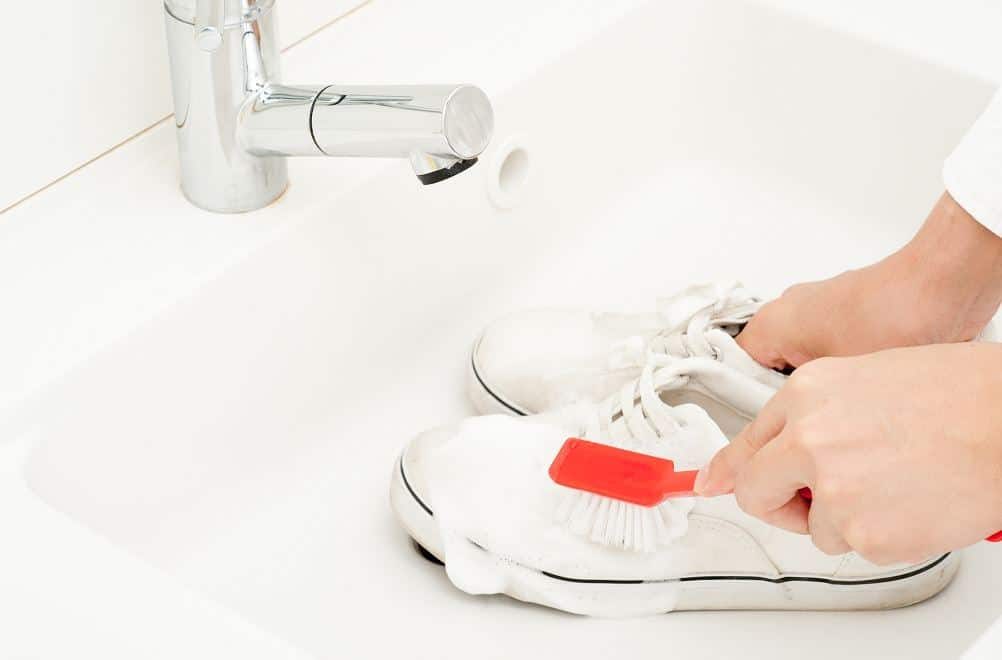
White sneakers are the basic idea, but keeping them bright requires more than luck. You want them to last a long time. You want them to be clean. The secret is not always complicated dry cleaning. Sometimes it’s the tube on the bathroom counter.
Use a damp toothbrush to restore your sneakers to their original shine. Apply regular toothpaste. Scrub. Pay special attention to the rubber soles. They yellow over time and collect dirt and grime. If you want more power, mix in a teaspoon of baking soda. Rubbing removes dirt. Mild bleaches lighten the fabric. Wash, dry. Repeat if necessary. It’s simple. It works.
Remove ink stains from clothes
Your favorite T-shirt is ruined by an ink stain. Panic spreads. But toothpaste can save it.
Apply a generous layer of the paste directly to the stain. Let it sit. Hours, not minutes. The solvents in the paste break down the ink pigments. After waiting, rinse with clean water. Is the stain still there? Don’t stop. Apply again. Rub gently. Repeat until the ink is completely dissolved. It takes patience. But the result is worth it.
Remove lipstick from textiles
The lipstick transfers easily. To the collar. To the scarf. Inside the jacket. This way you can fix the problem without damaging the fabric.
Wipe off excess product first. Use a paper towel. Press lightly. Do not rub, otherwise the pigment will penetrate deeper. Then apply a thick layer of toothpaste to the area. Leave it on for several hours. The ingredients in the paste help remove oily waxes and dyes. When the time is up, rinse with clean water. If any residue remains, machine wash the garment as usual.
Treat rust stains with potatoes and paste
Rust stains are persistent. They seem to be permanent. But there is an old-fashioned trick that involves produce and paste.
Halve a potato. Use a fresh piece. Oxalic acid in potatoes helps break down iron oxide. Apply a generous amount of toothpaste to the rust stain on the fabric. Use the cut side of the potato to scrub the area. Friction is the key here. Rub until the orange-brown discoloration begins to fade. The combination of the acid and mild abrasives in the toothpaste is the decisive effect.
When the stain is gone, rinse the fabric thoroughly. Put it in the washing machine. Add regular laundry detergent. Run a standard cycle. The rust is gone. The material is protected.
Why this works
You may be wondering why toothpaste designed specifically for teeth also works on clothes. It’s all about the ingredients. Gentle abrasives remove dirt from the surface. Chemicals such as sodium bicarbonate act as gentle bleaching agents. Solvents break down oils and dyes. It is a multipurpose cleaner in a tube.
For best results, always test on a hidden area first. Some fabrics are delicate. Check the care label. Caution is recommended when handling delicate materials. This method is safe and effective for durable cotton and synthetic materials.
You don’t need expensive stain removers for every accident. Keep an eye on the tube. You never know when it will save your favorite pair of shoes or your favorite shirt.