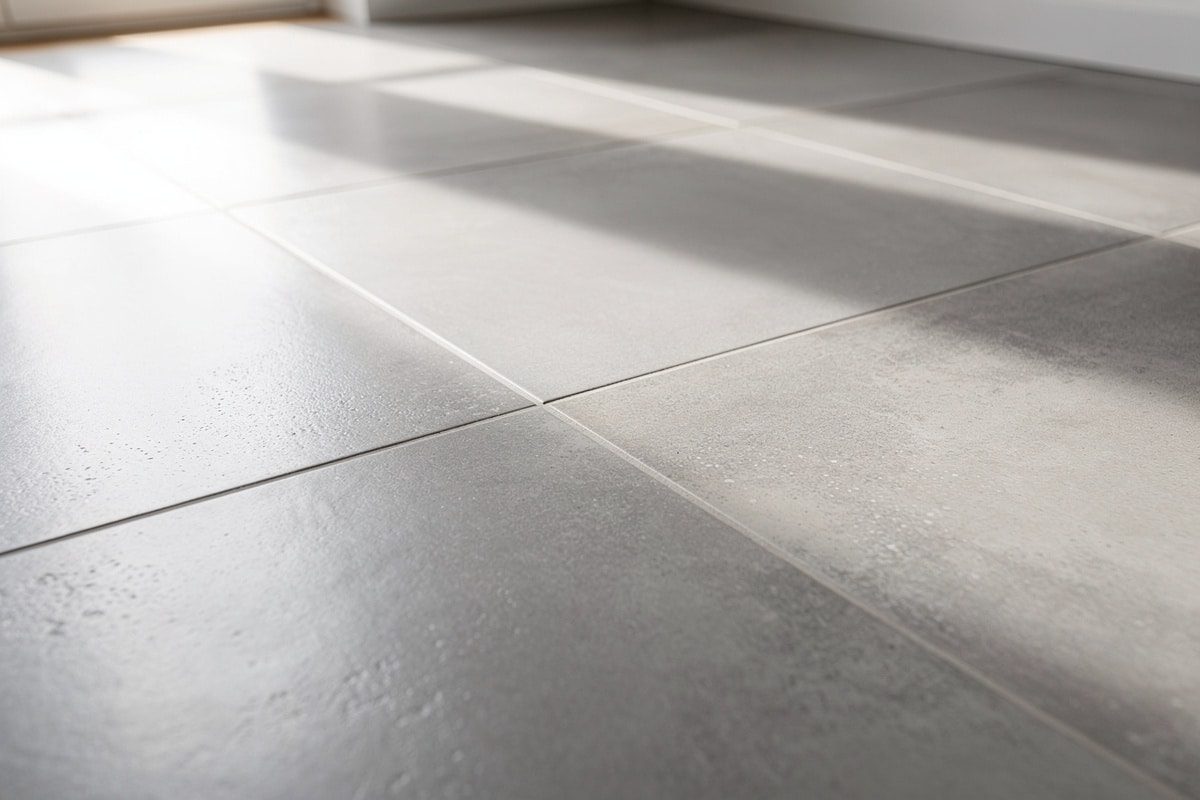
There is one sound that gives homeowners pause. This is not a crash. This is not an drip. This is the hollow, dull “click” or “snap” sound you hear when you walk barefoot or drop a small object.
It has a different resonance than the rest of the room.
This sound is often heard at the end of winter, after months of using the heating system and drying out the material. Your first instinct is to panic. Imagine that the floor has caved in. You can imagine the damage caused by water seeping through the subfloor. I fear how expensive it will be to replace everything.
Before you lift the hammer, take a deep breath.
In most cases, it is not a structural disaster. This is the cosmetic detachment. This difference is important because it can change your schedule, budget, and stress level.
Understanding hollow sound: why ceramic tiles lose their adhesion
If your tile or porcelain tile sounds hollow, it means that the bond between the tile and the substrate is failing. In construction terms, this is “désolidarisation” or loss of cohesion.
Mortar or thin-set adhesive no longer hold the tiles firmly in place. Instead, it rests on a thin layer of air.
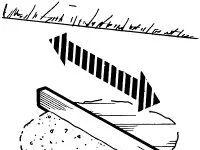
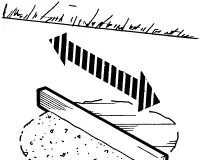
This air pocket acts as a resonance chamber. Think of tiles as little drums. When you click, the empty space amplifies the sound.
Several factors can cause this bond to break.
- Insufficient adhesive application: In the initial installation, too little mortar was used.
- Quick drying: The glue dries too quickly, preventing proper chemical bonding.
- Thermal shock: In winter, heating systems can cause materials to expand and contract. If the rates of the tile and the concrete/mortar differ, the adhesive will come off.
Assess the damage: Is the damage localized or widespread?
Don’t think that the entire floor is at risk.
Repair construction diagnostics typically show that only 10-30 percent of the surface area of the tile is delaminated. Faults usually occur locally. This is a specific area where adhesion fails and local air pockets form.
You can determine the extent of the problem by running a systematic inspection.
Grab the handle of a screwdriver or chisel. Tap the floor in a grid pattern.
- Solid sound: Dull and tight sound. The tiles are well-bonded well.
- Hollow sound: A high, tack resonant sound. The tiles are loose.
This step is very important. It shows you exactly how much work you really need to do. Is this a rogue tile or is the whole kitchen floating?
Risk assessment: when to worry and when to wait
Not all hollow core tiles are created equal. The way it works is determined by two variables: percentage of detachment and location of the tile.
Red area: High Traffic and Extensive Detachment
If more than 50% of the tile surface comes off, you are in the danger zone.
This is especially dangerous if the tile is located in a busy traffic area. Think in the hallway, at the kitchen entrance or in front of the sink.
Mechanical pressure is applied every time you step on it. Without a solid material underneath, ceramic or porcelain will eventually crack.
Why is this important?
- Safety: Cracked tiles can cause sharp edges. There is a risk that your foot could get cut or slip on the debris.
- Domino effect: Loose tiles can move under pressure, causing cracks in adjacent tiles and destroying grout joints.
If it is in this range, repair is not optional. This is necessary to prevent further damage or injury.
Green zone: Surrounding areas and low traffic areas
In contrast, some hollow tiles can remain stable for many years.
It is less urgent if the detachment occurs around the tile or if the tile is in a corner, under a heavy cabinet, or along a baseboard.
There is little mechanical stress in these areas. If no one walks on it and heavy furniture doesn’t weigh it down, the tile is more likely to stay in place.
In such cases, the floor does not need to be removed immediately. A simple follow-up strategy is enough. Check it regularly to make sure there are no hollow sound coming out of it.
Structural myth: The foundations are solid
Rumors persist that hollow tiles can indicate a problem with your home’s foundation.
This is wrong.
In 99% of cases, the problem is completely at the glue/mortar interface. This is a surface layer problem.
The reinforced concrete slab under your house is not crumbling. There is no danger to the structure of the house. The only failure was bond of the decorative surface.
This difference saves homeowners from needlessly removing the subfloor. You are dealing with a surface repair, not a structural rebuild.
Next steps
Now that you have identified the hollow spots and assessed the risk, you can decide the path forward.
For the tiles in the red area, you need to remove the loose parts and re-glue them. This requires careful chiseling, cleaning of the base and application of new mortar.
you can wait if you are in the green zone. Or if aesthetics are more important to you, you can replace these specific tiles later.
But that’s part two. Now you know why your floor makes strange noises and whether it’s a crisis or a nuisance.
Fixing loose tiles without removing them: epoxy injection method
Stop reaching for the jackhammer. If you find loose tiles, there is a precise alternative to tearing everything out. This technique is basically surgery for your floor. The principle is simple. You drill micro-holes into the seams around the tile in question. Use a very fine drill bit. The width is only a few millimeters.
Next, inject a specific fluid epoxy resin. You can use a syringe or a special gun. Resin flows under the tile. It fills the void created by the detachment. Once cured, it has a stronger bond than the original glue. This is a permanent fix. It saves the existing covering.
Why epoxy injection is better than a complete replacement
The biggest advantage is that you avoid the nightmare of a complete teardown. You know the drill. You need to find tiles that are exactly the same as 10 years ago. You risk damaging neighbors’ tiles when breaking the loose one. It takes several days to scrape off the dry glue. Then you lay the new stuff.
Injections are a game changer. Almost no dust is generated. It requires minimal heavy tooling. Your room will be available again soon. This will extend the life of your floor at a lower cost. Your living room will remain intact without becoming a war zone.
When to act and when to ignore the noise
Use this checklist for your next inspection. Helps to make quick decisions.
- Sound: Does the hollow sound cover more than half of the tile surface? This increases the risk of cracking.
- Location: Down the hall? in front of the couch? in the kitchen? Act. Is it under the buffet? Let it be.
- Mortar condition: Is the mortar cracked or broken? This signals movement. Intervention is recommended.
- Visual impact: Does the tile protrude above its neighbors (lippage)? Watch your toes. Immediate repair is needed.
Follow the changes of the seasons
A house is a living thing. It reacts to the environment. Even at the end of February, temperature fluctuations affected the materials. It’s a good idea to check back when the seasons change. Sometimes slightly hollow tiles can tighten in winter. Other times, it loosens further. If the noisy area continues to grow over several months, it is a sign of advanced delamination. Injection works best before the tile becomes completely free.
A resonant floor is not fate. This is not necessarily a harbinger of a financial catastrophe. With observation and the right repair techniques, you can restore strength to your interior without major construction work.