Your house is going to break. It’s not a matter of if, but when. And while the urge to call a pro or buy a replacement is strong, most minor damages can be fixed with stuff you already own. You don’t need a degree in engineering or a heavy-duty workshop. Just a little grit and some common household items.
These five fixes are stupidly simple. They save hundreds of dollars and keep you from having to visit the hardware store. You might already have everything you need in your junk drawer or kitchen cabinet. Let’s start with the one that trips you up every time you walk across the kitchen floor.
Reattach a Loose Tile Without Grout or Mortar
That loose tile isn’t just an annoyance. It’s a hazard. One wrong step and your foot goes through. Before you scramble to order a new tile and wait for delivery, check if you can save the existing one.
The problem is usually the adhesive underneath. Heat has degraded it over time. So you need to reactivate that bond.
Grab two things: aluminum foil and a standard clothing iron.
Here’s the move:
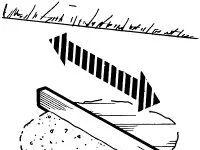
- Slide a sheet of foil over the loose tile.
- Turn the iron to high.
- Press it firmly onto the foil.
Do not skip the foil. You’ll melt the tile or scorch the floor if you skip it.
Keep the iron there. Wait. For a small tile, five minutes is enough. A larger one might take ten. You’re melting the adhesive back into a sticky state.
Once it feels set, remove the iron. Place a heavy object on the tile immediately. A bathroom scale works well. Or a stack of books. Let it sit until the adhesive cools and hardens again.
That’s it. The tile is back.
Revive a Dead Battery Terminal
Corroded battery terminals are a silent killer of electronics and car parts. You walk up to your device, press the button, and… nothing. The power is there, but the connection is dead.
This is often due to oxidation on the contact points. You don’t need a new battery. You need to clean the connection.
The trick here is surprisingly low-tech. You can use a simple paste made from baking soda and water, or even a bit of white vinegar. But for a quick, on-the-go fix, aluminum foil can act as a mild abrasive.
Rough up the terminal with a piece of crumpled foil. It strips away the white gunk without damaging the metal underneath. Wipe it clean with a dry cloth.
If the connection is still weak, a tiny drop of conductive grease or even a specialized contact cleaner from a pharmacy can help. But often, just removing that barrier is enough to restore the flow.
Check the battery itself, though. If it’s truly dead, no amount of cleaning will bring it back to life. But if the battery is fine and the device won’t turn on, the terminal is likely the culprit. Clean it. Test it. It might just work.

A bent spring on a battery terminal shouldn’t force you to toss a working device. It’s an expensive waste when middle-school physics can solve the problem. Without a positive or negative connection, the circuit breaks. Power stops. Electronics die. If the contact point is damaged, you just need a conductor to bridge the gap.
Check your kitchen cabinet. You likely have the solution there. Aluminum foil acts as a flexible conductor. Tear off a small sheet. Fold it into a tight square. The size should fit the empty slot where the missing contact used to be. Press it into place. The circuit completes. Your device wakes up again.
Silence a Squeaky Floor
Older homes have quirks. Squeaky floorboards are common. They’re part of the house’s daily soundtrack. The noise usually comes from shifted planks rubbing together. Friction creates the sound. You need to find the source first. Walk across the room. Listen. Identify the specific boards causing the trouble.
Once you pinpoint the noisy planks, you can fix the friction. Use craft glue. Drizzle it into the gap between the boards. The glue fills the space. It reduces movement. Wipe away any excess with a damp rag immediately. Messy glue ruins finishes. Let it dry overnight. The next day, the floor should be silent.
Fix a Broken Key
A snapped key is frustrating. You’re locked out of your own property. Car keys and house locks are precision instruments. A broken piece stuck in the lock is worse. You need to remove the fragment safely. Don’t use sharp tools that might damage the pins.
If the key is just broken but still in the lock, use pliers. Grip the protruding end. Pull straight out. If the key is missing entirely, you’ll need a new one. Take the broken piece to a locksmith or a hardware store. They can cut a replacement. For house keys, having a spare is smart. Cut them at a key duplication kiosk. Keep one in your glove box. Keep another with a trusted neighbor.
DIY fixes save money. They also keep you from panicking when things break. Simple mechanics work. Basic materials suffice. You don’t need a pro for every small repair.

Stuck with a key snapped inside your deadbolt? Don’t call the locksmith just yet.
You can rescue that situation with a small tube of super glue.
Here is how to do it without losing your temper.
Dot a tiny drop of glue directly onto the tip of the broken key fragment. Push it into the lock immediately.
Hold it there for about ten seconds.
Let the bond form. If the connection feels solid, pull the key out. You’ve just saved yourself a service call.
Keep a spare key at a neighbor’s house or in your glovebox. It beats being locked out in the rain.
Patching Window Screen Holes
Pests are getting into your kitchen through tiny tears in the window screens?
Replacing the whole thing costs hundreds. Fixing the hole costs pennies.
Dab a small amount of super glue into the tear.
The adhesive seals the mesh instantly.
To keep your work clean, hold a damp cloth under the patch as you apply the glue.
This catches any drips before they dry on the frame. It also makes the repair nearly invisible.
If the clear spot still bothers your eye, grab a permanent marker.
Lightly trace a cross-stitch pattern over the glue spot.
It mimics the screen weave.
Nobody will notice a thing.
Tools and Longevity Tips
You don’t need a fancy workshop for these fixes.
Basic items work best.
- Super glue for quick bonds
- Aluminum foil for shielding heat or surfaces
- An iron for fabric or foil adjustments
- A damp cloth for cleanup
- A permanent marker for cosmetic fixes
How long will these repairs last?
Quality matters.
Use industrial-strength glue if you want the fix to stick through summer storms.
Follow the steps carefully.
Let the glue cure fully before testing the strength.
Rushing the bond is the only way these quick fixes fail.
Do you keep a spare key hidden in plain sight?