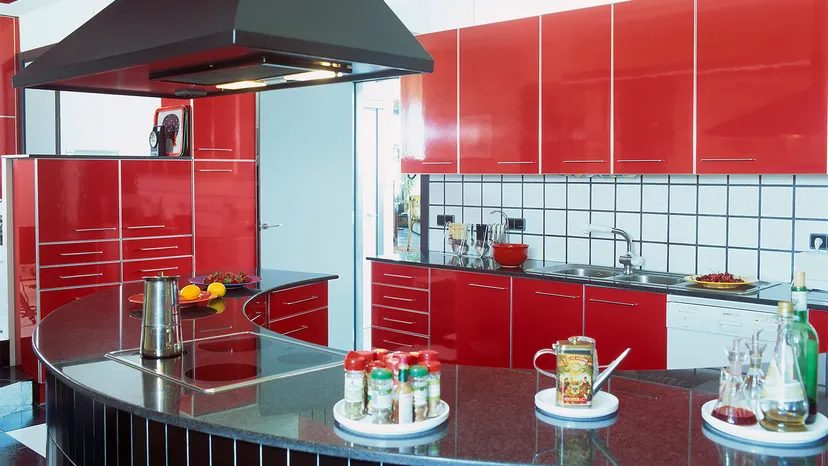
Kitchen exhaust fans are not just emergency release valves for when you accidentally char the garlic bread. They are serious health tools. Using them regularly improves indoor air quality. Ignoring them risks your health. Most local building codes don’t force you to use them. You should anyway.
Yes, these fans remove moisture. They handle odors. They catch oil splatter. But that’s only half the story.
Think about the smog hanging over major cities. It’s heavy. It’s visible. Now realize your stovetop might be creating worse pollution than some of those places. A study in California found that more than half of homes with gas stoves exceeded outdoor pollution limits. That is significant.
High heat cooking releases carbon monoxide. It releases nitrogen dioxide. It spits out formaldehyde. Fine particulate matter joins the party. These are dangerous byproducts. Electric stoves are slightly better. They don’t produce carbon monoxide. They release minimal nitrogen dioxide. They still create fine particulate matter though. You cannot ignore the risk.
How Ducted Hoods Save Your Lungs
Ducted hoods are the gold standard. They work by sucking contaminated air away. Then they vent it to the exterior of the building. This is non-negotiable for health. If you have allergies or respiratory issues. If you have asthma. You need a ducted system. Period.
But millions of homes can’t have them. Crowded apartments. Older structures. The ductwork is physically difficult or impossible to install. So these spaces rely on recirculating fans. These fans capture grease. They trap some particulates in a filter. They do very little else. The air is simply cleaned and blown back into the room. The pollutants remain. The smog stays.
How do you fight back against kitchen smog if you can’t duct out?
Optimize Your Setup for Maximum Extraction
First, check the height. Install the hood between 24 and 30 inches from the stovetop. That is 61 to 76 centimeters. If you are tall, you might need it higher to avoid head bumps. Do not go above 36 inches. 91 centimeters is the absolute limit. Many hoods are installed too high. This drastically reduces effectiveness. The air escapes before the fan grabs it.
Turn on the fan every time you cook. Always. If you have a recirculating fan, clean or replace the filter regularly. Don’t kid yourself about these filters. They catch grease well. They do almost nothing for air pollution. In recirculating setups, opening a window is your best bet for fresh air.
Cook on the back burners. This gives the hood a fighting chance. It grabs contaminants before they spread across the kitchen island.
Use the high-speed setting. Maximize airflow. Yes, it’s loud. It drowns out conversation. But the health benefits outweigh the annoyance. You can hear yourself think better with clean air.
The Noise Factor
Why is that fan so deafening? Moving air creates noise. It is a physical fact. Jennifer Gilmer of Jennifer Gilmer Kitchen and Bath in Chevy Chase, Maryland explained this back in 2010. The process of displacement is inherently loud. Don’t let the noise stop you.
Kitchen Fan FAQ
How much does it cost to install a vent in the kitchen?
Expect to pay around $500. This varies by project complexity. Add electrical work or duct modification. The price goes up.
Do kitchen exhaust fans need to be vented outside?
Recirculating fans filter air and blow it back into the room. Ducted fans do not. Yes, for true air quality improvement, kitchen exhaust fans need to be vented outside.
Which is the best exhaust fan for a kitchen?
The Panasonic FV-30VQ3 WhisperCeiling Ventilation Fan is widely considered one of the best on the market. It balances power with noise reduction.
Can a ceiling exhaust fan be mounted on a wall?
Only if you insulate the fan and connecting duct properly. Moisture is the enemy. Without proper insulation, moisture causes structural damage.
Is a kitchen exhaust fan necessary?
It is a must-have. You need to remove excessive fumes. You need to clear the air. You need to extract grease. Without it, your kitchen air becomes a trap.