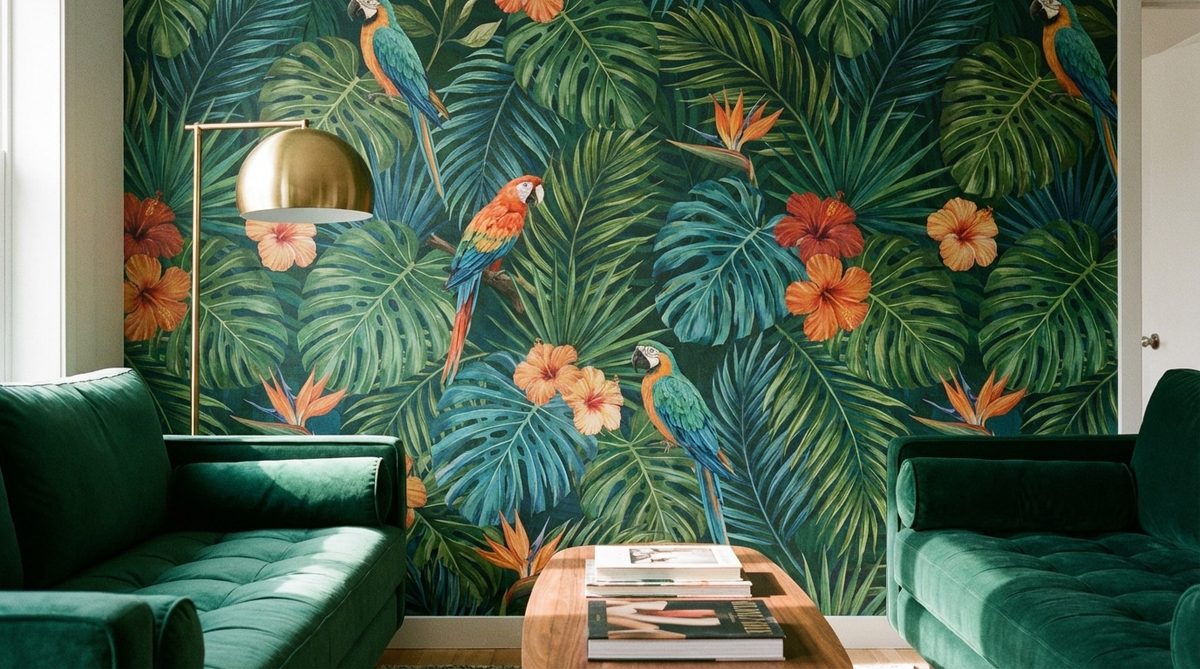
You know that moment when your living room starts feeling like a theme park attraction? The one where you bought that massive monstera leaf roll to feel like you were escaping to Bali, but now you just feel cluttered. That era is ending. The interior design world is shedding its tropical excess for something quieter, slower, and far more durable. We are trading busy patterns for raw, mineral surfaces. This shift isn’t just aesthetic; it is a move toward slow life interiors that actually help you decompress.
Why Jungle Wallpaper Is Fading and Raw Textures Are Rising
The last few seasons were saturated with dense, forest-themed designs. Catalogues promised a domestic jungle, but the reality? It often felt suffocating. Large, dark botanical motifs shrink a room visually. They grab your attention and refuse to let go. After a long day, your eyes need a rest, not a visual assault.
The spring trend is a hard reset. We are moving away from synthetic, plasticized coatings toward materials that breathe. The goal is clarity. You want light in the space. You want a palette that soothes rather than shouts. This is about authentic materials that last, not cheap trends that tire you out by July.
The real revolution in decoration is simple: mineral wall plasters are replacing tropical wallpaper in modern homes.
How to Achieve a Warm Minimalist Look with Lime and Clay
Here is the practical secret. You do not need to paint your walls a sterile, clinical white. That looks cold. Instead, embrace warm minimalism. The stars of this trend are traditional lime and clay plasters.
These are not new inventions. They are centuries-old techniques making a comeback. Why? Because they work.
- Humidity Regulation: Lime and clay naturally absorb and release moisture. This keeps the air in your room balanced without electronic humidifiers.
- Durability: These are natural powders mixed with water. They create a surface that is breathable and healthy for your indoor air quality.
- Cost-Effectiveness: You can achieve a high-end, timeless look with modest material costs compared to bespoke printed wallpapers.
Which Tools and Techniques Create That Imperfect, Living Texture
A printed wallpaper wall is flat. A raw mineral wall is alive.
The difference lies in the application. When you apply these plasters, you are not trying to create a smooth, industrial finish. You are celebrating the tool marks. Each pass of the trowel leaves a subtle ridge. Each small bump catches the light differently.
As the sun moves across your living room during the day, the wall changes. The texture creates depth. It offers soft, velvety reflections that shift over time. This is where the charm lives. The imperfection is the point. The material itself becomes the decoration.
Safety and Preparation Tips for DIY Application
If you are planning to do this yourself, preparation is everything.
- Surface Prep: Your wall must be clean and stable. Remove any old wallpaper or flaking paint. Prime the surface if it is very porous.
- Mixing: Follow the manufacturer’s water-to-powder ratio exactly. Add water slowly. You want a consistency similar to thick yogurt.
- Tools: You will need a trowel (smooth or textured) and a hawk. For clay plasters, you might also need a smoothing sponge.
- Ventilation: Ensure good airflow while the plaster cures. Lime plaster specifically requires proper curing time to reach full hardness.
The result is a space that feels grounded. It invites you to slow down. The wall is no longer a backdrop for a busy pattern; it is the foundation of your calm.
Earth Tones to Complement Textured Mineral Walls
You are ready to strip back the visual noise. The goal is a sanctuary that feels grounded, not decorated. This shift from the wild, patterned jungle to the quiet restraint of mineral matter requires rethinking your furniture and color palette.
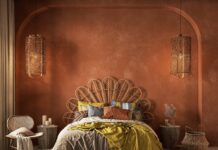
The wall finish is raw. You want to highlight that texture, not hide it. The best way to sublimate the aspect textured of your walls is with hues pulled directly from the earth. These colors pair naturally with solid wood, rattan, or washed linen. The result is a slow, reassuring aesthetic.
Here is what works:
- Warm greige : A mix of gray and beige. It feels contemporary and keeps the space light.
- Softened terracotta : Essential if your room faces north. It adds warmth where sunlight lacks.
- Faded sage green : Evokes nature without overwhelming the eye.
- Sandy white : Echoes the look of Mediterranean vacation homes. Clean, airy, and bright.
Removing Busy Motifs for Living Materials
Stop using the wall as a canvas for print. Strip out the fringes. Remove the heavy, saturated patterns. The walls clad in lime or clay are enough on their own.
This is not about spending a fortune. It is about appreciating a living wall. It allows spring light to circulate freely.
“The interior gains in timelessness and serenity by replacing jungle motifs with natural lime or clay plasters.”
You are moving away from decorative overconsumption. Instead, you are returning to the essence of living well. The wall becomes a frame. It holds a vintage mirror found at a flea market. It highlights simple brass sconces. It supports soft pendants made of woven fibers.
The beauty here is in the imperfection. The mineral surface is warm. It is durable. It breathes.
Are you ready to let your walls breathe? The next refresh does not need to be loud. It just needs to be real.